18-year-old Katrīna on her first vote: choosing a party deserves as much time as choosing a new phone
First-time voter Katrīna describes how a mock election at her school and social studies classes prepared her to vote, naming national security and the economy as her top priorities.
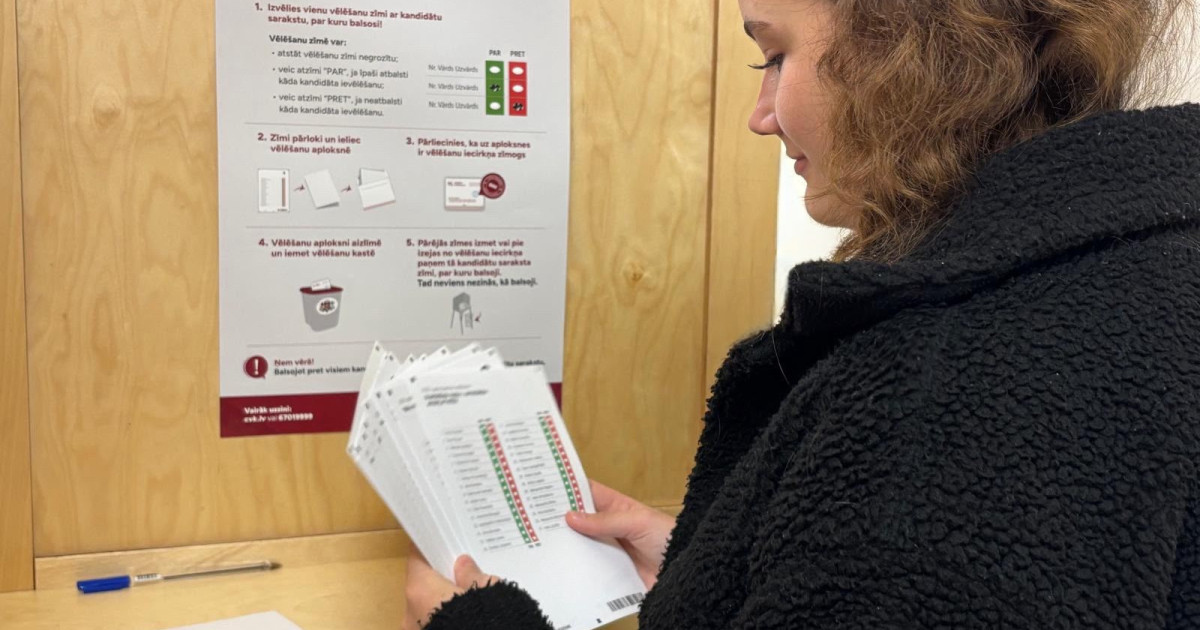
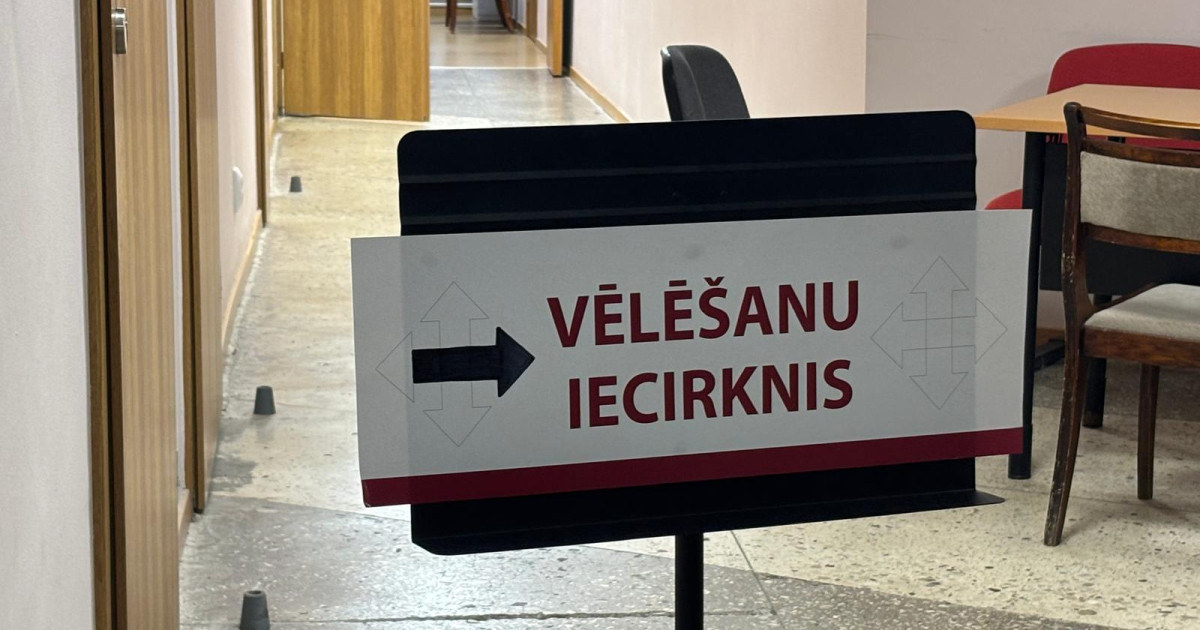
Eighteen-year-old Katrīna voted for the first time in this election, and her confidence was built both through school lessons and conversations with friends. In-depth social studies classes and discussions of political ideologies helped her classmates better understand what parties were offering. Her school also held a mock election before the real vote, setting up voting booths where students could cast a ballot after having their documents checked, just like at a real polling station. In the actual election, Katrīna voted for the same party she had chosen in the school's mock vote.
Young people do care about politics
Katrīna pushes back against the idea that young people aren't interested in politics, saying the topic comes up regularly among her friends. She researched parties through their official websites and also used an online "party matching" tool, where the party she ultimately chose ended up at the top of her results. She also follows political developments on social media, particularly TikTok, naming Andris Šuvajevs of "Progresīvie" and Ainārs Šlesers of "Latvija pirmajā vietā" as the most visible politicians online. Commenting on apathy among her peers, Katrīna notes that roughly 30% of residents don't vote because they believe their vote changes nothing, even though their participation could significantly boost turnout.
Security as the top priority
When weighing what parties offer, Katrīna ranks national security as her top priority, followed by the economy and social welfare. She would like politicians to talk more about the "Skola 2030" education reform, particularly concerns over the science exam and a rule allowing students to retake only one test per semester. Her second priority is safety on social media, and third is clearer explanations of foreign policy issues for young people. She approaches campaign promises cautiously, trusting parties that avoid unrealistic pledges, and says she would never vote for a party friendly toward states hostile to Latvia. She names the aggressor state on Latvia's border and social inequality as the biggest challenges, while hoping for higher wages, greater support for low-income families, and more open dialogue between the government and the public in the future.