1915 Fashion Article Changed Attitudes Toward Body Hair
Until 1915, body hair was considered beautiful, but a Harper's Bazaar article introduced a new fashion trend that made smooth skin a symbol of hygiene and femininity. Today, the body positive movement challenges this standard.
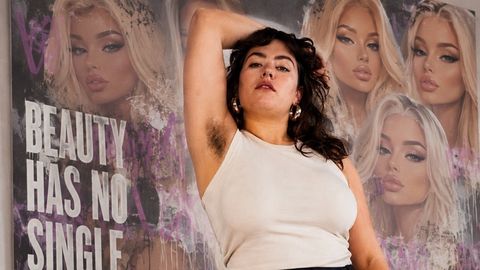
Historically, body hair was not viewed as ugly or unhygienic. On the contrary – until the early 20th century, it was often perceived as natural and even attractive. However, in 1915, a significant shift occurred that changed Western society's perception of the female body.
It all started with an article in the fashion magazine Harper's Bazaar, which promoted sleeveless dresses. The article claimed that underarm hair was 'backward and even shameful' – a view dictated by the latest fashion. This publication caused a revolution in the understanding of hygiene and femininity, and for the next century, smooth skin became an indisputable standard of femininity and grooming.
Since then, hair removal has become a widespread practice, often taken for granted. However, in recent years, the body positive movement has increasingly raised its voice, questioning this standard and calling for acceptance of the body in its natural state. The debate over whether body hair should be removed is once again relevant, prompting a reevaluation of century-old traditions.