2026 Solar Eclipse: Best Viewing Spots in Iceland and Spain
The August 12, 2026 total solar eclipse will be visible in totality from Iceland and Spain, with partial views across North America and Europe. Here's where to watch and how to stay safe.
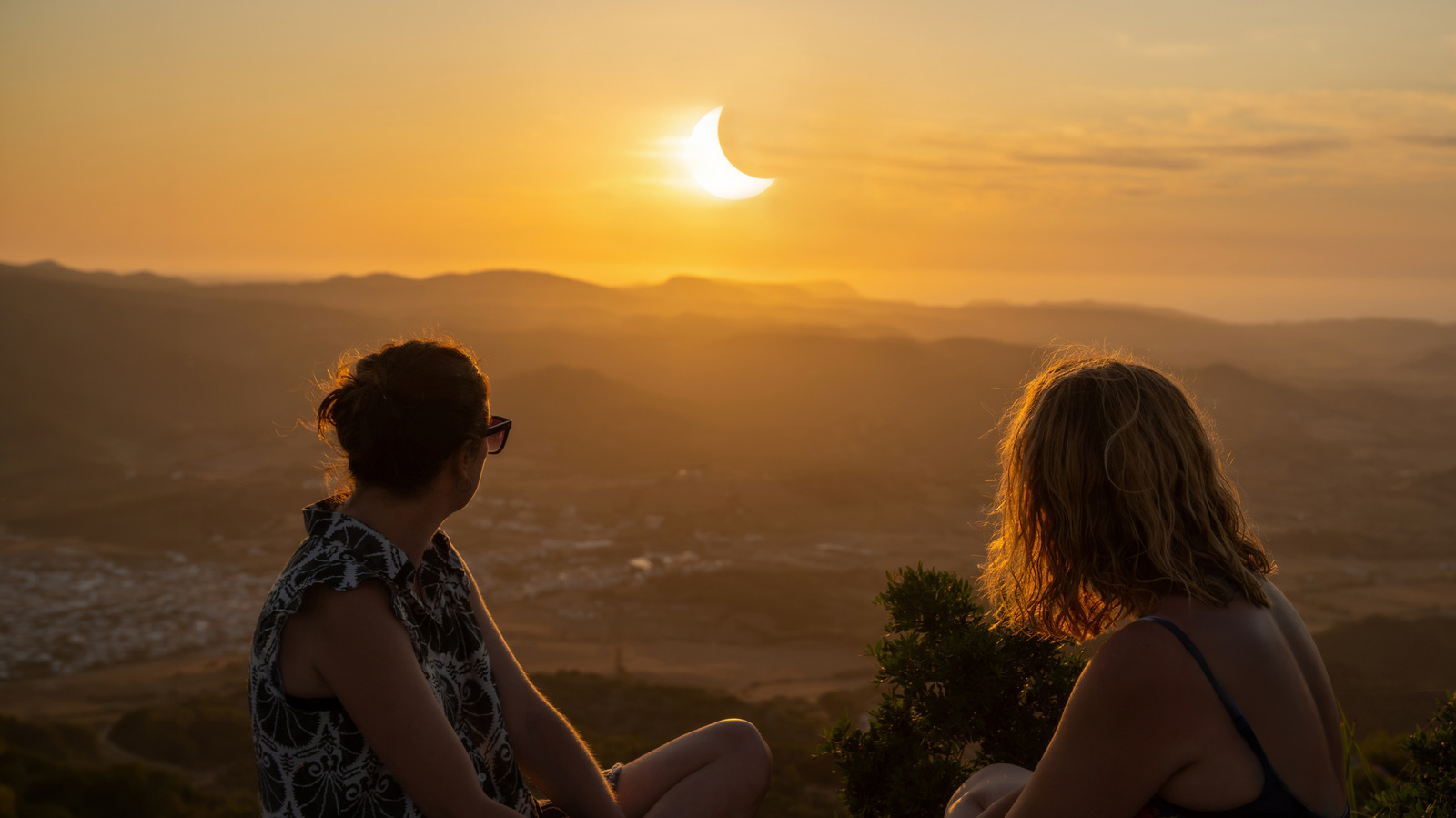
The 2026 total solar eclipse, set for August 12, is shaping up to be a significant event for astronomy enthusiasts. Not only will it be the first total eclipse since 2024, but it also coincides with the annual Perseid meteor shower. Additionally, the eclipse will last longer than typical because it aligns with lunar perigee, when the Moon is at its closest point to Earth and appears larger in the sky.
This year's path of totality — the area where the Moon fully blocks the Sun — will be centered over Iceland and Spain. While many regions across Canada, the United States, and Europe will experience a partial eclipse, only those within the narrow path will see the complete effect. The best vantage points are western Iceland and northern Spain. In Iceland, the longest duration will be observed at Látrabjargi, with the eclipse also visible from Reykjavík and other western coastal towns. However, Spain offers a more extensive land area within the path, increasing the odds of favorable weather. August temperatures in Spain are typically 20 to 30 degrees warmer than in Iceland. Spanish cities such as Bilbao, Burgos, Palma, Santander, Valencia, Valladolid, and Zaragoza will have a full view. A small section of northeastern Portugal, including Montesinho Natural Park, also lies on the line of totality.
Remote areas of Russia and Greenland will also experience a total eclipse, though these spots are challenging to reach without a specialized expedition. For viewers in North America, a partial eclipse will be visible across northern US states and eastern Canada. The amount of solar coverage varies widely: New York City will see only 9 percent obscuration, while St. John's in Newfoundland will see 53 percent. In Europe, Dublin and London will see 94 and 91 percent, respectively.
Safety remains a critical concern. Looking directly at the Sun is only safe during the brief period of totality, which will not occur anywhere in the US. Consequently, American observers must wear protective eyewear for the entire event. Standard sunglasses, binoculars, and camera lenses without filters do not provide adequate protection. Specialized eclipse glasses or solar viewers, listed by the American Astronomical Society, are recommended. Alternatively, indirect viewing methods, such as a pinhole projector or a kitchen colander, allow safe observation by projecting the Sun's image onto a surface.