40 Years After Chernobyl Disaster: Debunking Popular Myths
Four decades after the Chernobyl nuclear catastrophe, many misconceptions persist. The article debunks common myths about a single person's fault, delayed evacuation, and the current habitability of the zone.
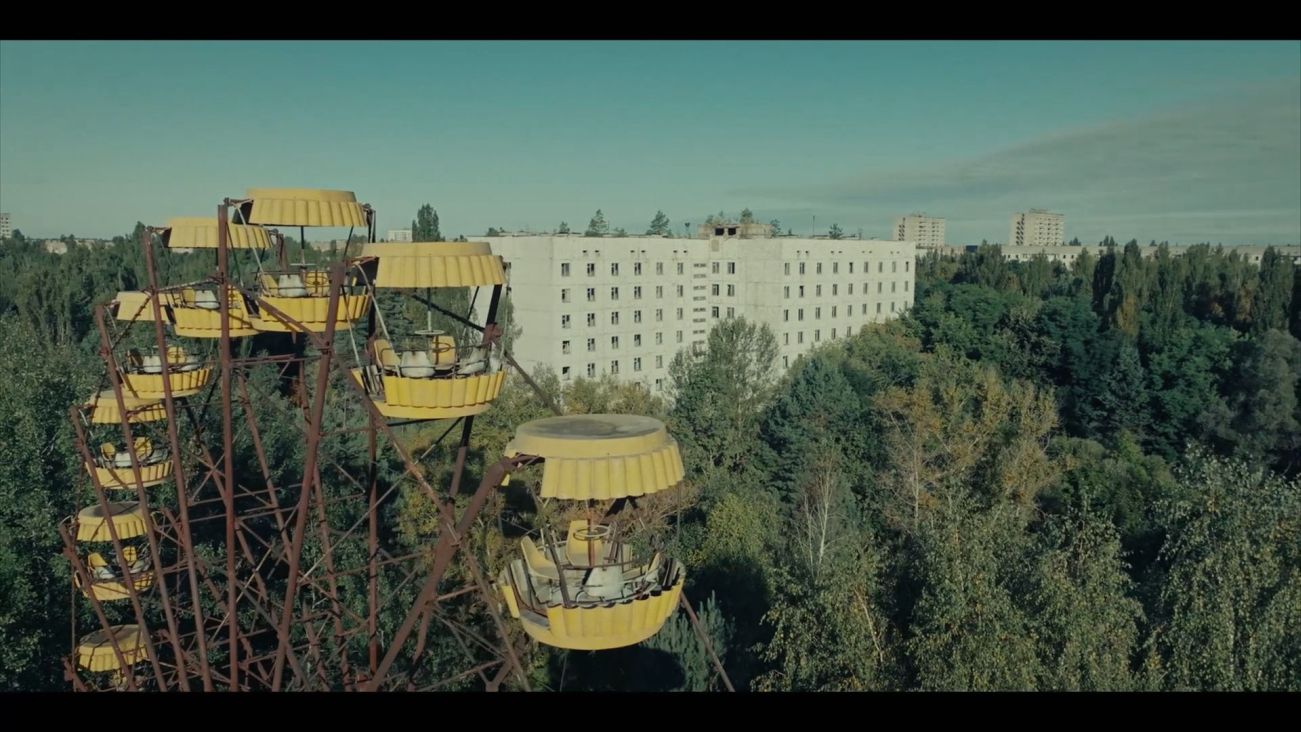
The worst nuclear accident in history occurred on April 26, 1986, at the Chernobyl Nuclear Power Plant. It released 400 times more radiation than the Hiroshima bombing. Despite extensive studies, several myths remain widespread.
Myth: One person was to blame
Many believe engineer Anatoly Dyatlov caused the disaster. In reality, multiple factors contributed: operators ignored safety protocols, and the reactor had design flaws. The RBMK reactors lacked a containment building, which would have limited radiation release.
Myth: Evacuation was delayed for safety
The Soviet authorities hesitated and tried to conceal the scale. Evacuation of Pripyat began only 36 hours later, and residents were not fully informed about radiation risks. About 200,000 people were eventually displaced.
Myth: The Chernobyl area is completely dead
Although the "Red Forest" was destroyed, nature has recovered remarkably. Animal populations of birds, wolves, and deer are sometimes larger than in nearby inhabited regions.
Myth: Mutants live there
Despite rumors, no two-headed wolves or giant creatures have been found. Genetic changes, like smaller body size, have been observed, but they are not Hollywood-style. Wild dogs and cats—descendants of abandoned pets—now live in the exclusion zone.
Myth: Chernobyl is now habitable
Even though some residents have returned, the area is not safe for permanent living. Radiation levels vary, and radioactive substances still accumulate in plants and animals. Pripyat will not be suitable for habitation for at least 20,000 years.
The new documentary "Chernobyl: The Lost Tapes" on National Geographic presents previously unpublished eyewitness accounts and insights into how the event influenced the current war in Ukraine.

/nginx/o/2026/10/07/17960479t1he863.jpg)