African Trade: AfCFTA benefits remain out of reach for small businesses
Nearly a decade after the launch of the African Continental Free Trade Area, small and medium-sized enterprises still face barriers such as poor infrastructure and complex border procedures. Meanwhile, Togo boosts local computer assembly and Egypt sees a surge in demand for recycled plastics due to shipping disruptions.
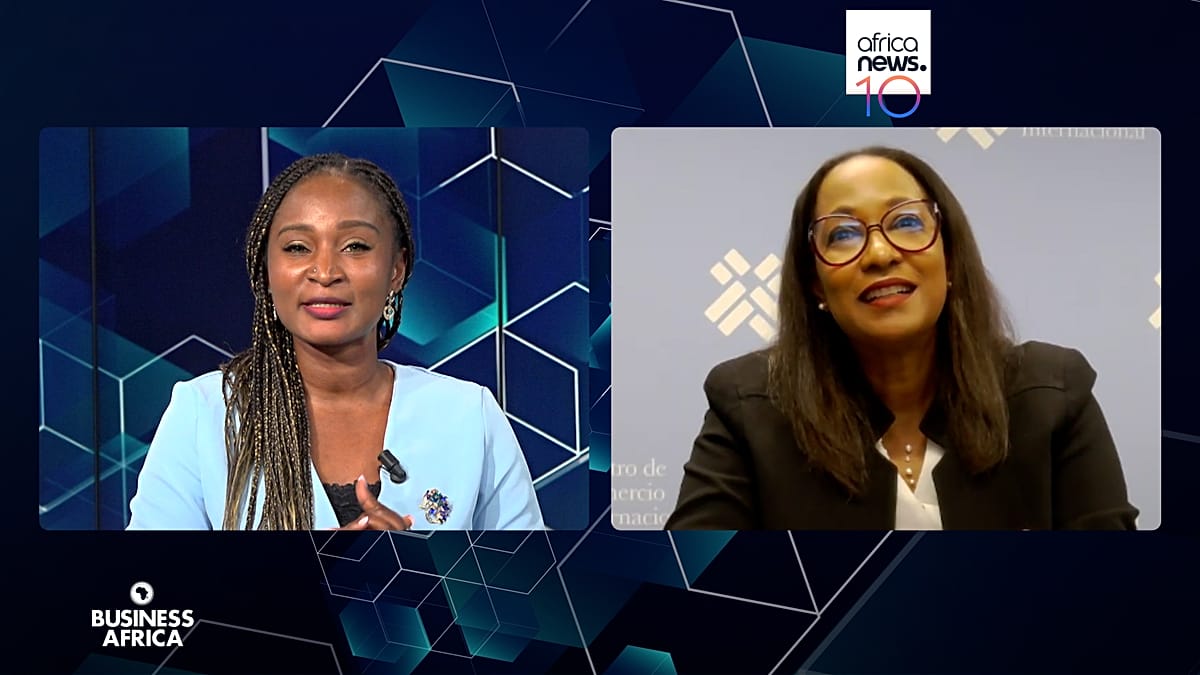
Nearly a decade after the launch of the African Continental Free Trade Area (AfCFTA), many of the small businesses it was designed to empower say its benefits remain out of reach. While the agreement promises a unified market across Africa, entrepreneurs continue to face barriers such as poor infrastructure, complex border procedures, and limited access to trade opportunities. In an interview with International Trade Centre (ITC) Executive Director Pamela Coke-Hamilton, the discussion examines why micro, small and medium-sized enterprises (MSMEs) have yet to benefit from the AfCFTA despite significant progress in implementation. It also explores how economic diversification, green certifications, and expanded access to trade finance can help African businesses become more competitive and resilient in regional and global markets.
Elsewhere, Togo is taking steps to strengthen its technology sector. A local company is assembling computers from imported components, aiming not only to boost domestic IT manufacturing but also to train local engineers and create skilled employment, supporting the country's long-term industrial development.
In Egypt, the country's renowned informal recycling hub, "Garbage City," is experiencing a surge in demand. Disruptions to shipping through the Strait of Hormuz have limited imports of plastic raw materials, prompting manufacturers to turn to locally recycled plastics and providing an unexpected boost to the recycling industry.