Agtech CEO: New Technology Is Not Reaching US Farmers
Detria Williamson, co-founder of FarmBot Tech, argues that agricultural technology is advancing without meeting the needs of smaller farms. She points to rising farm bankruptcies and falling investment.

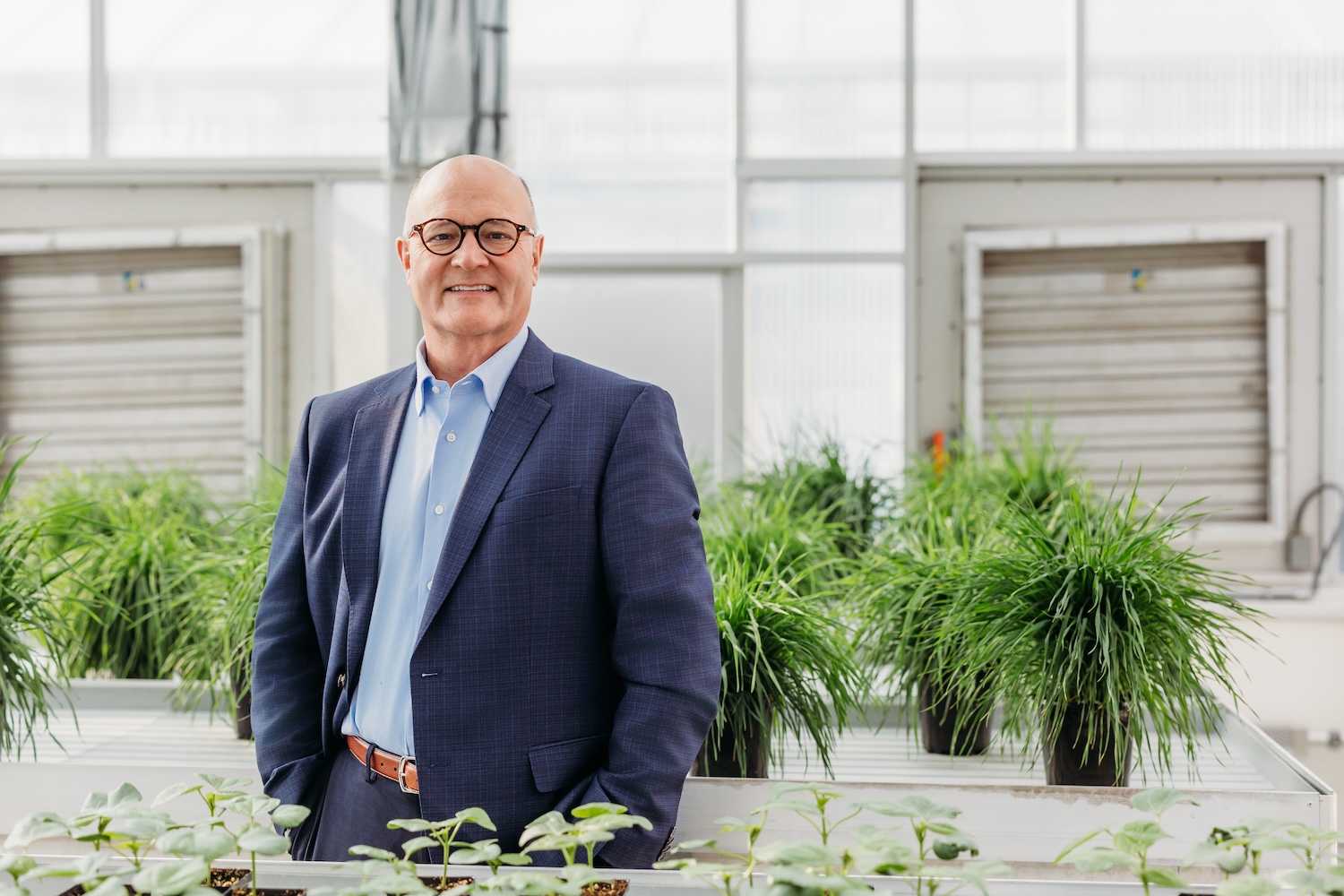
Detria Williamson, co-founder and CEO of agricultural technology company FarmBot Tech, argues in an opinion piece for the industry outlet AgFunderNews that US agtech is advancing faster than farmers' access to it. In her view, this matters all the more as the sector faces heavy financial pressure. The article reflects the author's own views, not those of the publication.
Pressure on farmers
Williamson says US farm bankruptcies rose 46% in 2025, while the national cattle herd has shrunk to its smallest size since 1952. Commodity prices have fallen by as much as 58% since 2022. Diesel prices hit records this harvest season; the US Department of Agriculture has announced $8 billion in one-time fuel relief, but a further $11 billion in proposed aid awaits Congress and may not reach farmers until spring 2027.
The technology gap
Adoption of precision agriculture technology on US farms fell from 27% to 22% between 2023 and 2025, even as computing costs dropped and capabilities grew. Citing research, the author notes that 81% of farmers describe themselves as proactive experimenters or logical adopters, and only 3.3% actively avoid new technology. She argues the real issue is that tools are designed for large operations: large farms use precision tools at more than five times the rate of small ones, which often lack capital, connectivity and technical support.
Agtech venture funding peaked at $10.5 billion in 2021 and fell nearly 60% to $4.4 billion in 2025. In 2026 it is on pace to land under $4 billion.
Regulation and the call to action
Williamson notes that more than 230,000 American farms were unknowingly exposed to federal felony-level penalties under a corporate disclosure law; that problem has since been resolved. On a federal food-safety program requiring importers to verify their suppliers since 2011, 85% of inspected importers had no verification in place in 2022, and the figure has only improved to 43.8%.
The author calls on technology firms to build with farmers rather than for them, on investors not to write off the sector, and on regulators to make requirements clear and accessible.