AI Designs New Viruses in Landmark Study
Using AI language models trained on genetic data, scientists created functional viruses that infect bacteria. The breakthrough holds promise for gene therapy but raises concerns about biosecurity.
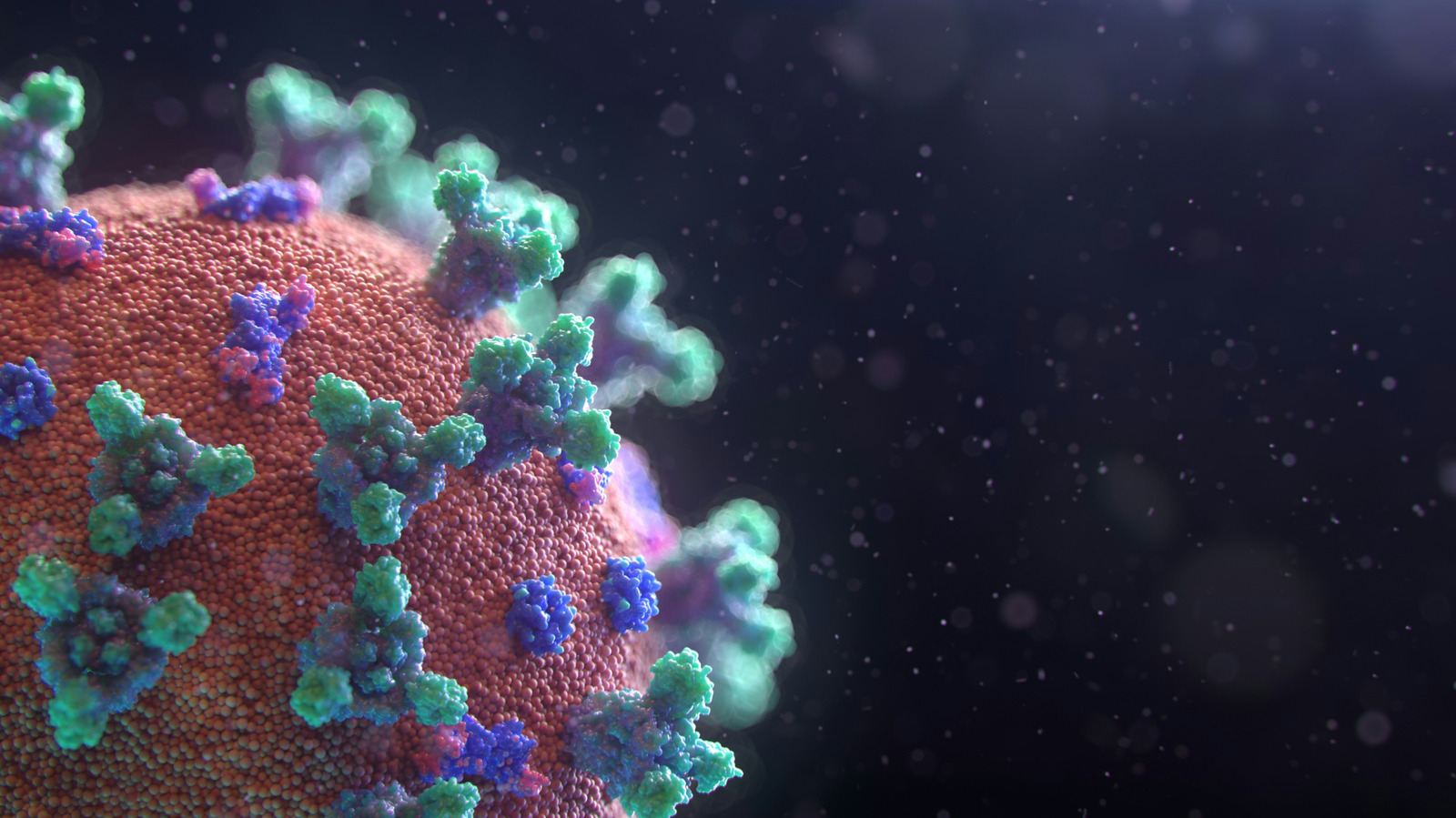
A study published in Science describes how researchers used an AI model to design new viruses capable of infecting and reproducing inside bacteria. The work was carried out by scientists at Palo Alto's Arc Institute and Stanford University, who employed genome language models Evo 1 and Evo 2. These models operate similarly to large language models like ChatGPT or Claude, but instead of processing books and websites, they were trained on genetic sequences.
The AI was trained on trillions of nucleotides, the building blocks of DNA, allowing it to learn the 'grammar' of genetic code. For this particular experiment, the team further trained the models on about 15,000 viruses from the same family as Phi X-174, a tiny virus that only infects E. coli bacteria. The researchers deliberately restricted the scope to exclude anything that could infect humans, other animals, plants, or fungi.
Evo generated around 700,000 potential new virus sequences. From these, the team selected 285 of the most promising candidates, had their DNA synthesized, and inserted them into bacteria. In the end, 16 of Evo's designs produced working viruses. These were at least as viable as the original Phi X-174, with some even reproducing faster.
The implications are twofold. On the positive side, AI-designed viruses could advance gene therapies, deepen understanding of genomes, and provide new tools for combating harmful bacteria. On the other hand, the technology carries significant risks. In a well-regulated environment with ethical safeguards, this kind of research could contribute to a better world. However, the current regulatory landscape is far from sufficient. Researchers have already demonstrated that standard chatbots can provide concerning assistance in planning biological weapons. A model that can design genomes takes that threat to a new level, with more advanced versions potentially enabling the creation of a highly contagious or deadly virus.
The science itself is not inherently evil. But as AI moves from describing biological threats to actively designing them, it is no longer enough to hope that only well-intentioned actors will use it. Given the breakneck pace of technological advancement, the question remains whether guardrails can catch up before it is too late.