AI error nearly triggered a US military strike on Chinese ship
A flawed, partly AI-generated intelligence assessment nearly caused the US military to attack a Chinese vessel in the Middle East, CNN reports, citing a source who said the incident almost started a war.
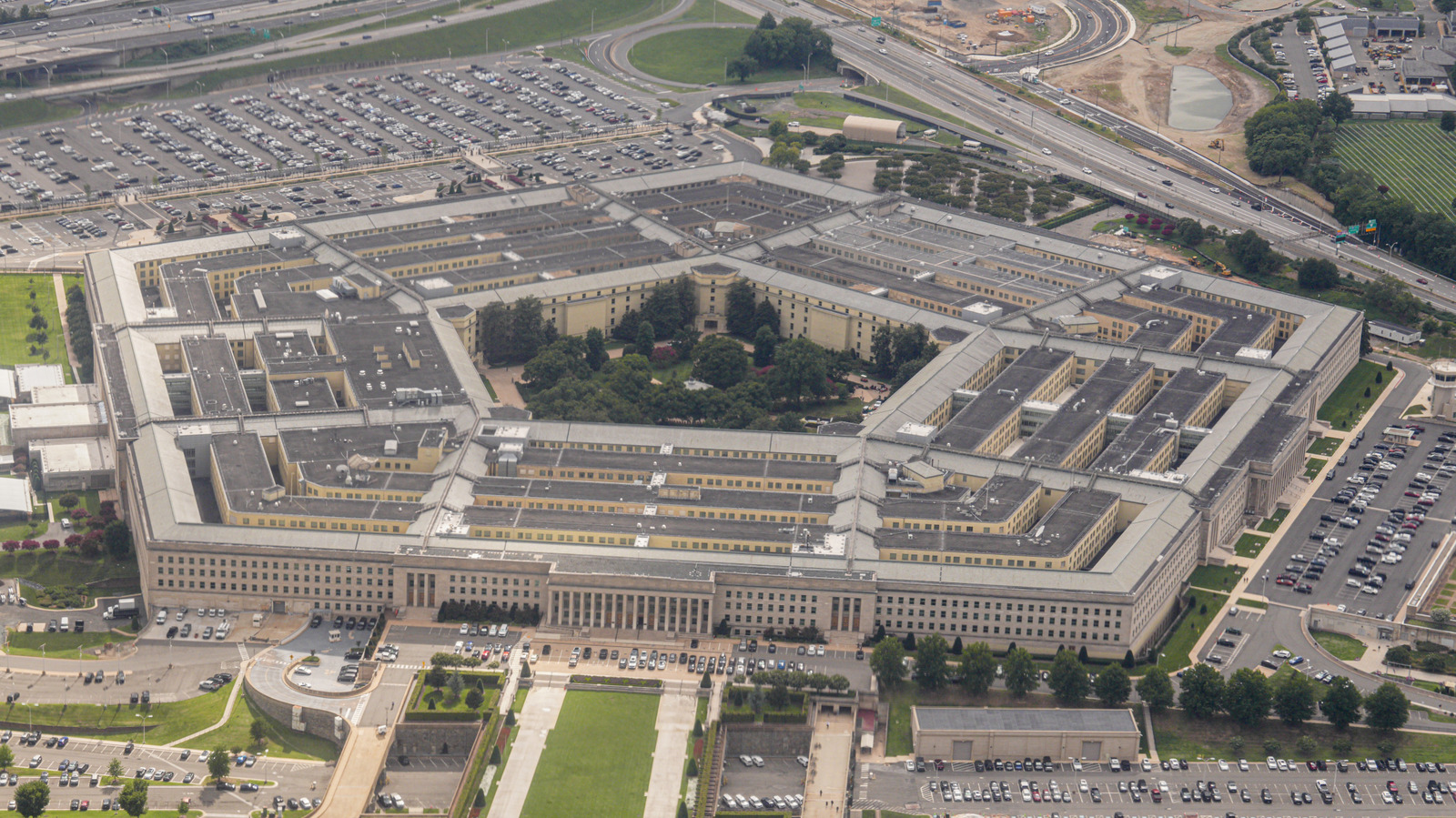
CNN reports, citing sources, that a false intelligence assessment produced with the help of an AI chatbot nearly led the US military to attack a Chinese ship in the Middle East. The report wrongly concluded the vessel was carrying components for a nuclear weapons program.
A source cited by CNN said the incident "almost started a war," underscoring the risks of integrating AI into the US Department of Defense's sensitive operations. Engadget has asked the Department of Defense for comment on CNN's reporting and had not received a response at the time of publication.
How the error happened
The assessment was compiled by a special operations command analyst who asked an AI chatbot about the Chinese ship's manifest. According to CNN, the chatbot combined open-source intelligence with secret signals intelligence to conclude the ship contained components of a nuclear weapons program. That claim nearly prompted the military to apprehend the vessel before officials realized the information had been generated by AI.
CNN was unable to determine what the ship was actually carrying, nor which AI tool — commercial or government-built — the analyst had used.
Broader AI push at the Pentagon
The incident comes amid a wider effort by the Department of Defense to adopt AI. In January, Secretary of Defense Pete Hegseth issued a memo directing the department to become "AI-first" and to experiment with models from leading US AI companies. That push hit a snag with Anthropic, which refused to let the military use its models to develop autonomous weapons and was briefly banned as a result. Still, other partnerships have emerged: in February, SpaceX/xAI reportedly struck a deal allowing the military to use Grok, and in May, NVIDIA, Microsoft and Amazon entered into an agreement to offer their AI technologies to the Department of Defense.