Rare silver-colored bear cub spotted in Alaska's national park
Live-stream cameras at Katmai National Park in Alaska have captured an unusually pale, silvery-colored brown bear cub that has quickly won over viewers worldwide. Experts say the striking coat color is due to genetics rather than crossbreeding with another species.
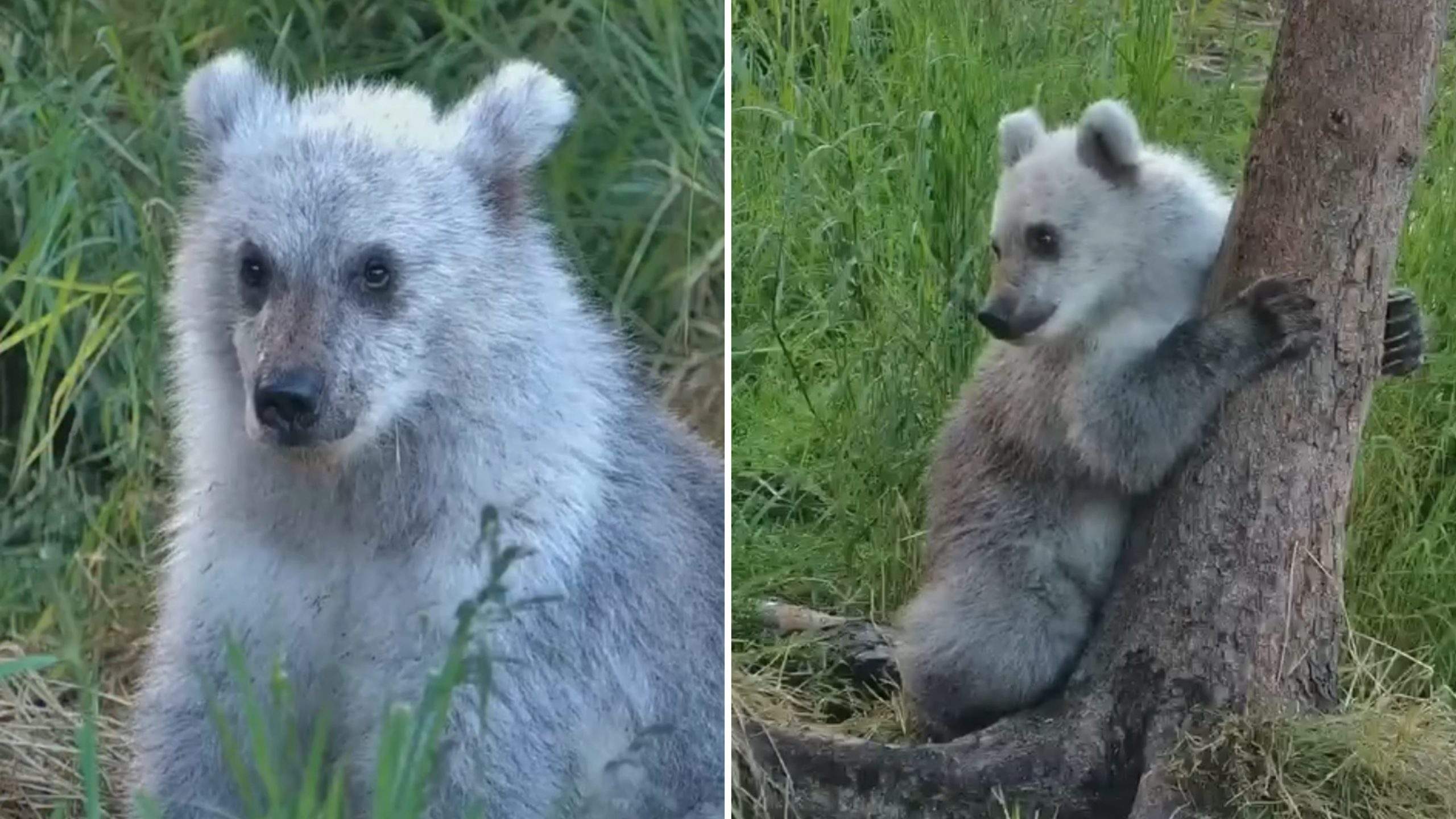
Live-stream cameras at Alaska's Katmai National Park have captured an unusual sight: a brown bear cub with a rare, silvery-toned coat. The cub was filmed sitting in the grass and yawning, and representatives of the Explore.org project say it may be one of the most unusually colored cubs ever recorded by the park's cameras.
A genetic explanation
Park specialists say the unusual coat tone comes down to genetics. Katmai park ranger Sara Bruce notes that similarly silvery cubs have been observed before, and that the park's bear population shows a wide variety of coat colors overall, including a notable number of lighter, or "blond," bears. Bruce dismissed viewer speculation that the cub might be a cross between a polar bear and a grizzly, explaining that Katmai lies too far south and its bears do not travel to northern regions.
Experts also note that the unusual coloring poses no extra risk to the vulnerable cub, since bears, unlike many other animals, do not rely on coat camouflage for survival. The cub is estimated to be about six months old and was first spotted in late June alongside its mother, known in the park's monitoring system as bear 677.
A hugely popular livestream
Katmai's live cameras, streamed via Explore.org and YouTube, draw millions of viewers worldwide each season as they watch bears fish for salmon in the river and prepare for winter hibernation. During the season, an adult male bear can eat more than 50 kilograms of fish a day, increasing its body weight from around 300 kilograms in early summer to over 500 kilograms by autumn.