Albania's restored stone tower houses open their doors to visitors
A nine-day walking route called the Tower Trail has been created in north-eastern Albania, passing through traditional stone tower houses known as kullas. It aims to help restore these buildings and bring visitors to areas barely touched by tourism.
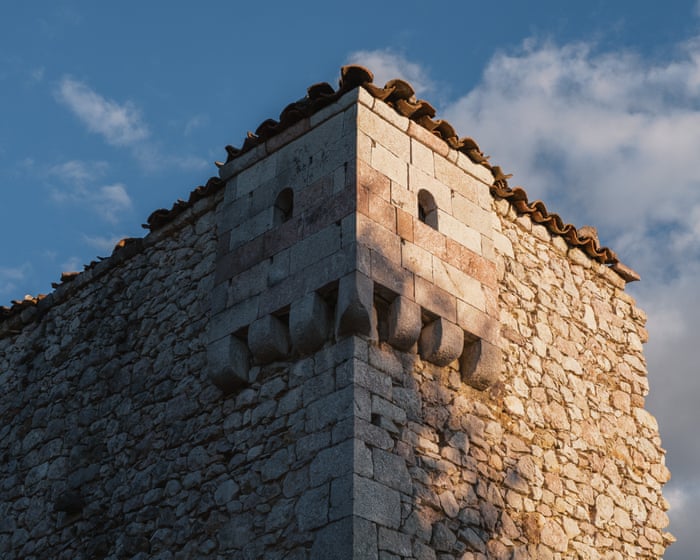
In north-eastern Albania, where few tourists venture, the Albanian Agritourism Association has developed a long-distance walking route called the Tower Trail. It passes through the Mirdita, Mat, Bulqiza and Dibra regions and lets travellers stay in kullas, the traditional stone tower houses found across northern Albania, Montenegro and North Macedonia. Overnight stays in such buildings give visitors access to local cultural heritage, which is becoming harder to find in the country's more popular areas.
The route
The trail is designed to be walked with a guide over nine days and covers more than 100 miles (about 160 km) of traditional villages, high plains, forests and river valleys. Some stages are long, so they can be split into two days or shortened with a car transfer. Cycling and 4x4 routes are planned for the future. Trail markings are still sporadic, and some bushwhacking is required.
The kullas and their fate
Kullas were built from limestone and wood from the surrounding mountains. The earliest ones were made to withstand harsh weather and equally harsh history, including the 15th-century Ottoman invasion and frequent tribal disputes. Many more were built in the 18th and 19th centuries. Under Albania's communist regime, from 1944 to 1991, many families had their kullas confiscated and found them in disrepair when they reclaimed them. After a mass exodus from the countryside to the cities in the 1990s and 2000s, many now stand empty.
Nik Nikolli, director of Infokulla, a small museum and cultural centre in the town of Rubik, says many villages along the route have only one or two families left. Tourism has been slow to take hold because accepting money from a guest runs against deeply rooted traditions of hospitality. He hopes the trail will encourage locals to open their kullas or farms as guesthouses and earn extra income.
Guesthouses
Kulla Hupi in the village of Dushaj has taken guests since 2021. Its owner, Luli Hupi, spent years working in a nearby mine and saved to restore the house room by room. He works with more than 10 families that supply the restaurant's meat, cheese, honey and bread, and that also act as guides for hiking, horseback riding and cooking classes. Hupi deliberately keeps guest numbers low. Elsewhere, Labinot Murrja has set up a small campsite with three cabins in a canyon on the Black Drin River. A double room in a kulla costs from about £35 a night.
Albania's tourism industry has boomed in recent years, but protests continue over a planned luxury resort in a protected coastal area. Tourism is concentrated on the coast and in the northern Alps, leaving rural inland areas struggling to show what they can offer visitors.