Algeria seeks larger EU energy role amid regional tensions
Algerian President Tebboune's visit to Berlin highlighted Algeria's ambition to become a key EU energy partner, especially in natural gas and hydrogen, as regional conflicts boost its strategic importance.
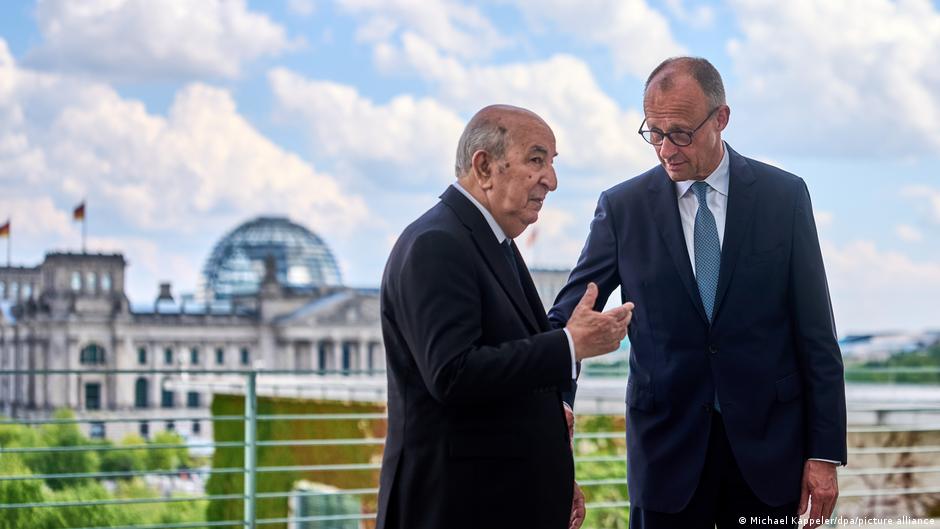
Algerian President Abdelmadjid Tebboune made his first official visit to Berlin since his election in 2019. In a joint statement with German Chancellor Friedrich Merz, both leaders emphasized the quality of cooperation and pledged to deepen long-term energy ties. Cerstin Gammelin, spokesperson for German President Frank-Walter Steinmeier, posted on X that Algeria is a central partner for Europe's energy security, with plans to expand natural gas supplies and cooperation on renewables, and in the long term establish a southern hydrogen corridor from North Africa to Germany.
Algeria holds Africa's second-largest proven natural gas reserves after Nigeria and is the continent's top gas producer. On July 2, state-owned Sonatrach delivered its first liquefied natural gas (LNG) shipment directly to Germany's Wilhelmshaven 1 floating LNG terminal. A direct pipeline to Germany would eliminate liquefaction, shipping, and regasification costs, similar to Algeria's existing pipelines to Italy and Spain.
According to Alice Gower, director of geopolitics at Azure Strategy, the war in Iran and disruptions to oil exports via the Strait of Hormuz have reinforced Algeria's energy importance. While Algeria cannot replace Gulf supplies, its pipeline gas reaches southern Europe without passing through Gulf shipping lanes, offering supply diversification at a time of renewed energy security concerns.
Algeria's value extends beyond gas, Gower noted, including cooperation on counterterrorism, migration management, and Mediterranean stability. Algiers maintains diplomatic ties with Iran, the US, Gulf states, China, and Russia, and sits at a strategic crossroads between North Africa and the Sahel.
However, Algeria faces domestic challenges. Youth unemployment stands at around 29–30%, and political reforms promised after the 2019 Hirak protests remain unfulfilled. International watchdogs report a shrinking civic space, with prosecutions of journalists, activists, and online critics. Freedom House classifies Algeria as "Not Free."