Analyst warns Europe's biggest threats over next year will come from Russia and China, not Trump
Eurasia Group's Mujtaba Rahman told European ambassadors that despite friction with Washington, the real dangers ahead stem from a weakening but more aggressive Russia and an intensifying standoff with China. He argues the decisive factor could be Europe's own political unity, threatened by a possible Marine Le Pen win in France's presidential election.
Addressing more than 100 European ambassadors, Eurasia Group's managing director for Europe, Mujtaba Rahman, argued that over the next year Europe's most serious external challenges will not come from the United States but from Russia and China.
While relations with Donald Trump's administration remain strained — eroded confidence in Nato, trade friction, and uncertainty over support for Ukraine and territorial ambitions in Greenland — the transatlantic relationship is, relatively speaking, becoming more stable. Ukraine's advancing drone capabilities have made it a more valuable partner for Washington, and the US, Denmark and Greenland reportedly reached a deal on expanding an American military presence there.
A weaker Russia becomes more dangerous
Russia's original 2026 budget assumptions have already been overtaken by reality, with military spending climbing due to rising recruitment costs and compensation for casualties. As the non-military economy edges toward recession, the Kremlin has an incentive to strengthen its military position now rather than wait for conditions to worsen — a dynamic reflected in CIA director John Ratcliffe's recent visit to Moscow. Analysts expect intensified mobilisation and stepped-up attacks on Ukrainian infrastructure this winter, alongside increased hybrid warfare against Nato states.
China and France as looming risks
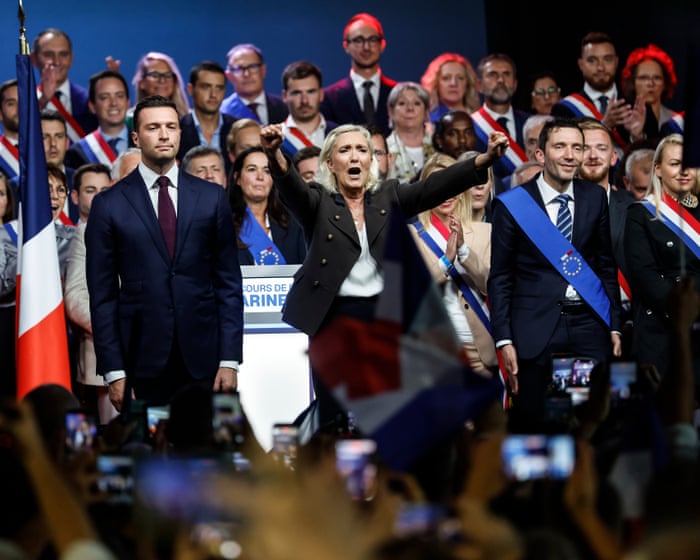
A broad European consensus now holds that China's subsidies and export-driven model demand a political response, pointing toward a period of managed, rather than full-blown, trade confrontation. Rahman argues the decisive variable will be Europe's own cohesion — particularly next year's French presidential election, where Marine Le Pen, polling 35–38% in the first round, has a credible path to victory. A Le Pen presidency could undermine support for Ukraine, sanctions against Russia, and the EU budget itself.