Analyst: Ukraine's goal in the Lyman sector is to push Russians across the Zherebets River
Latvian National Guard staff officer Jānis Slaidiņš says Ukrainian forces in the Lyman sector appear focused on pushing Russian units across the Zherebets River and digging in on new positions, while also noting Ukraine's growing use of remote-controlled ground drones.
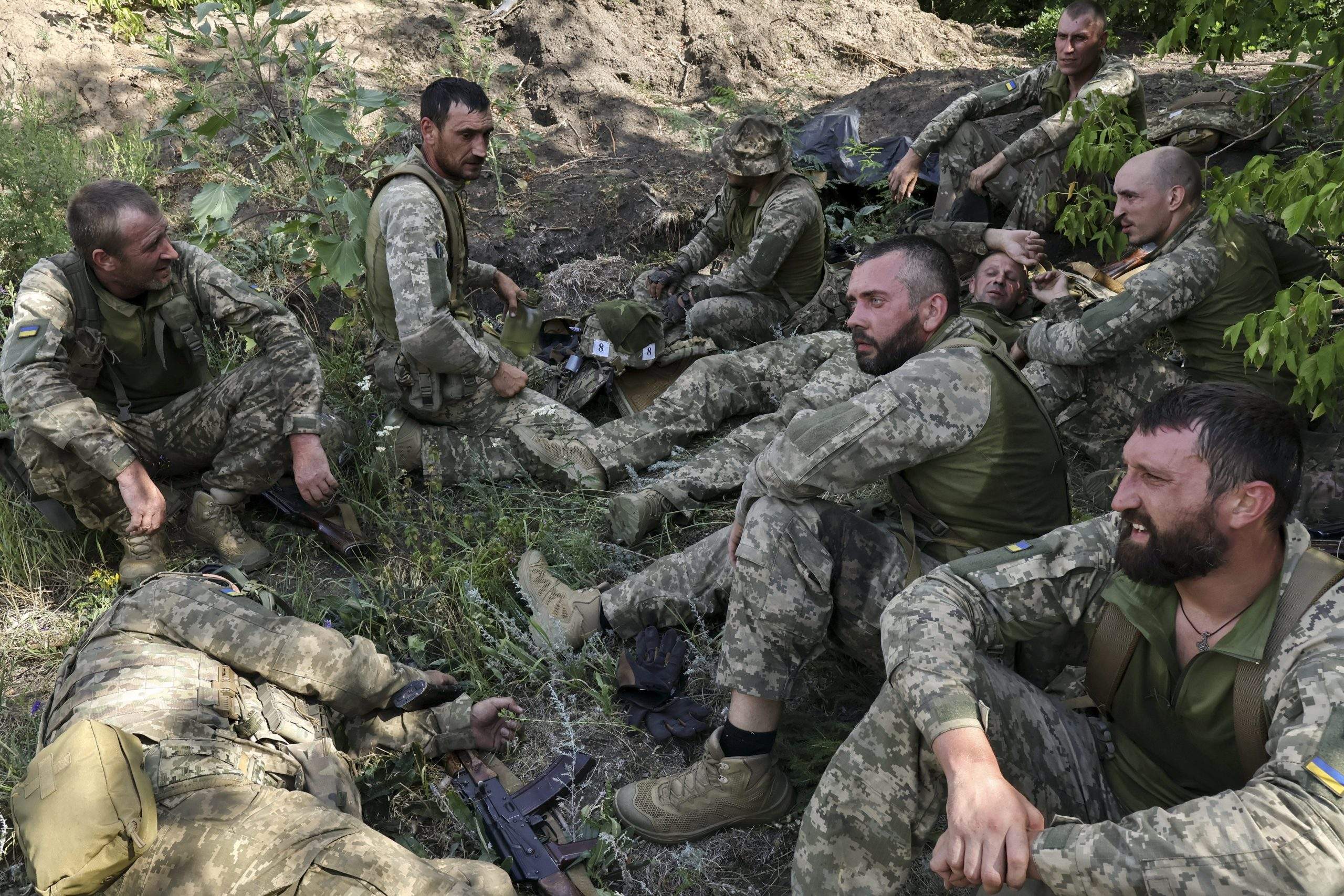
Ukrainian military activity in one sector of the front appears to reflect a fairly clear tactical goal: push Russian units back across the Zherebets River and then consolidate on the newly taken positions. That is the assessment of Jānis Slaidiņš, a major in Latvia's National Armed Forces and a staff officer of the National Guard, speaking on the program "Current Developments in the War in Ukraine."
Slaidiņš notes that the area carries added significance because of its proximity to the border between the Luhansk and Donetsk regions. As a result, Ukrainian advances there could carry psychological weight in addition to military value.
The key question: holding ground
According to Slaidiņš, the central question is how far Ukrainian units intend to advance and whether they can then hold whatever positions they capture. He believes Russian forces will likely try to retake lost ground, meaning Ukraine will need to shore up its defenses once it advances.
Unusual uses of old equipment
Reviewing the fighting, Slaidiņš also highlighted increasingly unconventional uses of military hardware. One recently circulated video shows a Soviet-era BTR-60 armored personnel carrier converted into an unmanned ground explosive device. The vehicle was loaded with explosives and sent, without a crew, toward Russian fortifications.
Slaidiņš explains that the carrier was fitted with anti-tank mines, each containing roughly five kilograms of explosives. The aim was to blast a gap in the defensive line, including through concrete anti-tank obstacles known as "dragon's teeth," clearing the way for advancing Ukrainian units.
He adds that operating such older vehicles with a crew has become extremely risky due to drones and anti-tank weapons, which is why they are instead converted into remote-controlled, single-use platforms. If a strike drone is also used against such a vehicle, the resulting explosion can be even larger, since it detonates the explosives already packed inside. The episode illustrates how both sides in the war are increasingly combining older military hardware with unmanned and remote-controlled technology.
