Anesthesiologist: risk from anesthesia lower than car crash risk on the way to the beach
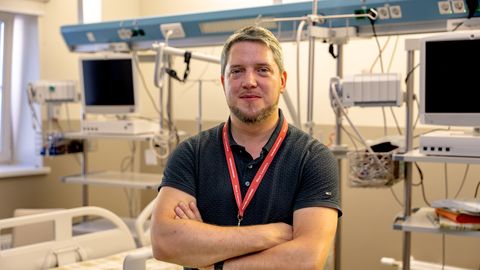
Edgars Krivmanis, an anesthesiologist and intensive care physician at Riga 1st Hospital, says patients often ask whether they will wake up after anesthesia, but stresses that modern anesthesia is far safer than common myths suggest.
A question heard often
Edgars Krivmanis, an anesthesiologist and intensive care physician at Riga 1st Hospital, says one question he regularly hears from patients is: "Doctor, will I even wake up?" The fact that this question comes up so often shows that fear and uncertainty about anesthesia remain widespread in society, even though such fears are frequently not backed by facts.
Myths that persist
According to Krivmanis, frightening myths about anesthesia continue to circulate, causing unnecessary stress and fear among patients ahead of planned or urgent surgeries. These myths often exaggerate the real dangers that modern anesthesia methods pose to a person's health.
The actual risk is small
The anesthesiologist emphasizes that the real health risk from anesthesia today is considerably lower than many people assume. To illustrate this clearly, he draws a comparison to everyday risks: he notes that the chance of being harmed by anesthesia is smaller than the risk of getting into a road accident on the way to the beach.
This comparison helps patients and the public better understand that, given the current level of medical development, anesthesia is administered under carefully managed risk conditions and is not as dangerous as popular perception suggests. Krivmanis's experience shows that public education on this topic remains necessary to ease patient anxiety before surgery.