Anesthesiologist: fear of not waking up is one of the most common questions doctors hear
Edgars Krivmanis, an anesthesiologist and intensive care doctor at Riga 1st Hospital, says patients often fear not waking up after anesthesia, even though modern anesthesia is far safer than commonly believed myths suggest.
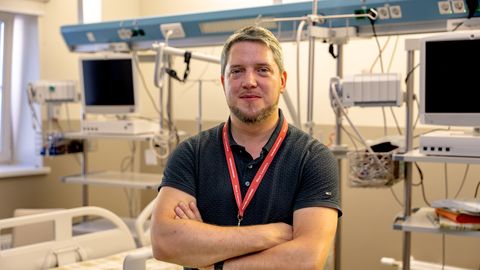
Edgars Krivmanis, an anesthesiologist and reanimatologist at Riga 1st Hospital, says one of the questions he hears most often from patients before surgery is simply: "Doctor, will I even wake up?" This recurring fear shows how deeply rooted certain myths about anesthesia still are in society.
The real risk is much smaller than perceived
According to Krivmanis, the actual health risk posed by modern anesthesia is far lower than most people assume. He illustrates this with an everyday comparison: the chance of being involved in a car accident on the way to the beach is higher than the chance of suffering serious complications from anesthesia. The comparison highlights just how far public perception of risk has drifted from the actual data.
Myths persist despite medical progress
Even though anesthesia safety has improved significantly in recent decades thanks to advances in medicine, public fear and misconceptions have not diminished at the same pace. Patients' anxiety before surgery is often shaped less by real statistics and more by stories and impressions passed down informally over time.
An anesthesiologist-reanimatologist's role goes beyond putting a patient to sleep before an operation. These specialists also monitor vital functions throughout a procedure and care for critically ill patients in intensive care units. The profession demands both a strong sense of responsibility and the ability to reassure patients who arrive for surgery in genuine distress.
Krivmanis's experience suggests that clear communication with patients is often just as important as the medical procedure itself, helping to ease anxiety and build trust between doctor and patient ahead of complex interventions.