Could you be an 'autumn spotter'? Public asked to track leaf colour changes in England
Forestry England is calling on the public to become 'autumn spotters' and record how and when tree leaves change colour across the country. The project aims to reveal how this year's hot, dry summer is affecting the onset of autumn.
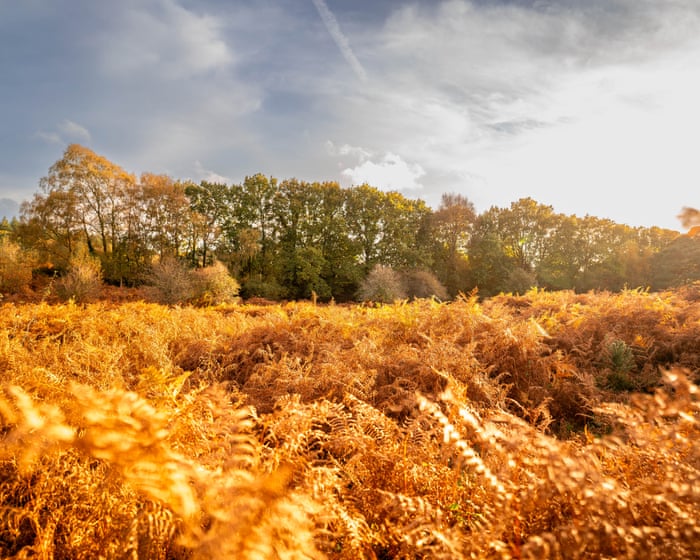
Forestry England has launched a citizen science project called Autumn Leaf Watch, inviting members of the public to help track the changing colours of the country's forests as autumn sets in. Participants, dubbed 'autumn spotters', can use a newly launched online tracker to log their observations.
Those taking part can note the most common leaf colour seen during forest visits, or focus on specific tree species such as beech, horse chestnut, oak, rowan and silver birch. Forestry England, which manages England's woodlands, hopes that gathering these observations over the coming weeks and in future years will build a clearer picture of how the timing and progression of autumn colour differs across regions, habitats and species.
Early reports suggest autumn is still in its early stages, with most woodland canopies still green. However, yellow and orange leaves have already been spotted at Wyre Forest in Worcestershire, Haughmond Hill in Shropshire and Delamere Forest in Cheshire. Silver birch and beech are among the first species to show colour change, while oak has largely remained green across much of the country so far.
The timing of autumn's arrival depends on several factors, including daylight levels, temperature, rainfall, soil moisture and the condition of individual trees. Forestry England said this year's unusually hot, dry summer had caused some trees to shed their leaves earlier than normal. It remains too early to tell how these conditions, linked to the climate crisis, will shape the season overall, with weather in the coming weeks likely to play a key role.
Chris Sorenson, a forest management adviser at Forestry England, said the summer's extreme heat made this year's autumn especially worth watching. He encouraged people to get outdoors, observe the trees around them closely, and contribute to the tracking effort.
The colour change is part of how deciduous trees prepare for winter: as days grow shorter and temperatures drop, trees stop producing chlorophyll, allowing the yellow and orange pigments already present in leaves to become visible, while some species also develop red hues. Because the timing and intensity of the change vary considerably by species and location, observations gathered nationwide help build a fuller understanding of how autumn unfolds each year.