Patients in England may miss out on NHS weight-loss jabs as GP funding is withdrawn
An investigation by Pulse magazine found that most integrated care boards in England have stopped paying GPs to prescribe and monitor Mounjaro. Patient groups and doctors' bodies warn of unequal access to the drug.
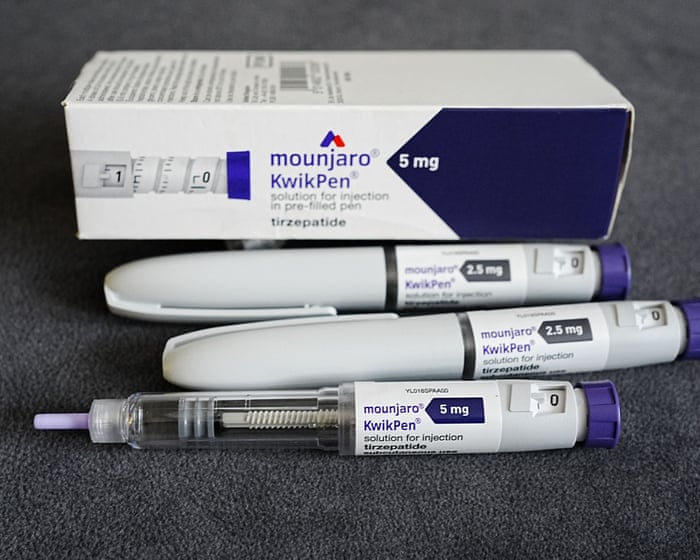
Patients in England who are eligible for NHS-funded weight-loss injections may not get them, according to an investigation by the GP-focused magazine Pulse. It found that 21 of 36 integrated care boards (ICBs, the regional bodies that plan and fund health services in England) have scrapped payments to practices for prescribing and monitoring Mounjaro, also known as tirzepatide. A further nine never had a local enhanced service, and only four still keep one.
National funding is voluntary
NHS England says funding is now national, with incentives for managing obesity added to the Quality and Outcomes Framework from April. However, participation in the scheme is voluntary, and GPs told Pulse the payments do not cover the cost of providing the service.
Chris McCann, acting chief executive of the patient watchdog Healthwatch England, said patients faced a "postcode lottery": depending on where they live, the route to the medication differs significantly. Cheshire and Merseyside ICB, for example, states that GP participation is optional and that meeting the eligibility criteria does not guarantee access.
The Guardian reported last year that thousands of patients could not get the drugs through their GP, with only 18 of 42 commissioning bodies confirming they had begun prescribing. GPs have been able to prescribe Mounjaro since 2025.
Concerns from medical bodies
The British Medical Association said the new payments were unlikely to cover the extra work and that eligible patients were missing out. It warned the arrangements could become increasingly unsustainable as eligibility widens. Prof Victoria Tzortziou Brown, president of the Royal College of GPs, stressed that general practice must be properly supported, while Prof Andy Brooks, clinical chair of the National Association of Primary Care, called for a clear, properly resourced route to treatment and follow-up.
NHS England said the new approach replaces varied local arrangements with a nationally funded framework and helps improve equitable access across the country.