UN: Human rights in Myanmar have hit a 'new low'
The UN says Myanmar's human rights situation has deteriorated further, driven by illegal mining and scam centres, while abuses against the Rohingya minority continue. The report covers June 2025 to May 2026.
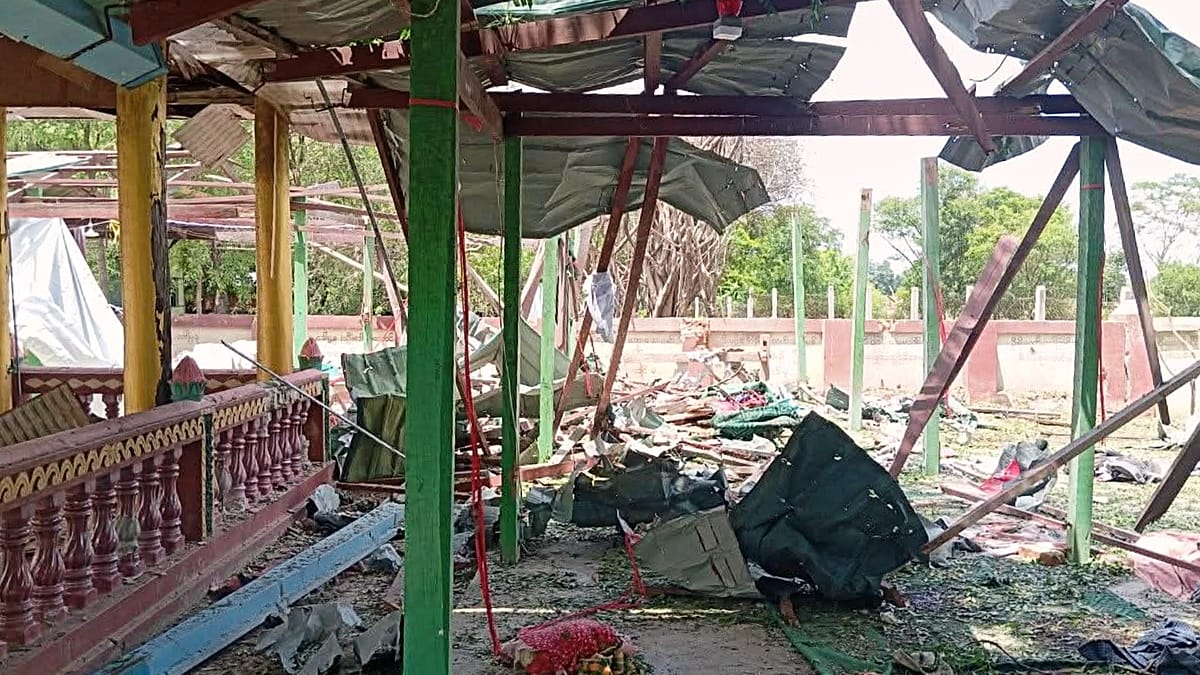
The United Nations Human Rights Office has warned that the already dire human rights situation in Myanmar has fallen to a "new low," driven by illegal mining and the expansion of scam centres. The office condemned the "ever-worsening brutal abuse" of the Rohingya minority and the "devastating impact" of illicit economies, including the extraction of rare earths.
Myanmar's military junta seized power in a coup on 1 February 2021, ousting the elected government of Aung San Suu Kyi and ending a decade-long experiment with democracy. Over the past five years, more than 100,000 people are estimated to have been killed as the military battles pro-democracy and ethnic-minority rebel groups.
The report, covering the period from 1 June 2025 to 31 May 2026, paints a picture of "suffering, misery and cruelty" across the country, UN human rights chief Volker Türk said in a statement. He called on states, companies and investors to reflect seriously on their actions, or inaction, toward Myanmar.
Military rule and diplomatic push
Coup leader Min Aung Hlaing took over as civilian president in April, handing his role as armed forces chief to a trusted aide. He is now pursuing international recognition through visits to India, China, Laos and Thailand, aiming to shed Myanmar's post-coup pariah status.
The report noted continued military violence against civilians through airstrikes, arson and forced displacement, while the military and the ethnic-minority Arakan Army are both accused of systematic abuses against the Rohingya population.
Scam centres and mining operations
Illicit economies — including drug production, human trafficking and scam centres — are helping to finance the conflict, the report found. James Rodehaver, head of the UN's Myanmar team, said local communities have grown increasingly dependent on scam centres, which build roads, schools and wells to win local goodwill.
Financial investigations revealed a complex network of illicit profits and impunity. Much of the extracted minerals appear destined for the Chinese market, with trade flows peaking at $1.4 billion (about €1.2 billion) in 2023. Mining operations are releasing large volumes of hazardous chemicals into local waterways, causing severe pollution and harming reproductive health.