UN climate conference COP31 ends without a final document for the first time
The UN climate conference COP31 closed in Antalya, Turkey, with no final document adopted, as countries could not agree on mentioning fossil fuels in the text. Environmental experts view the outcome as a failure and a step backward.
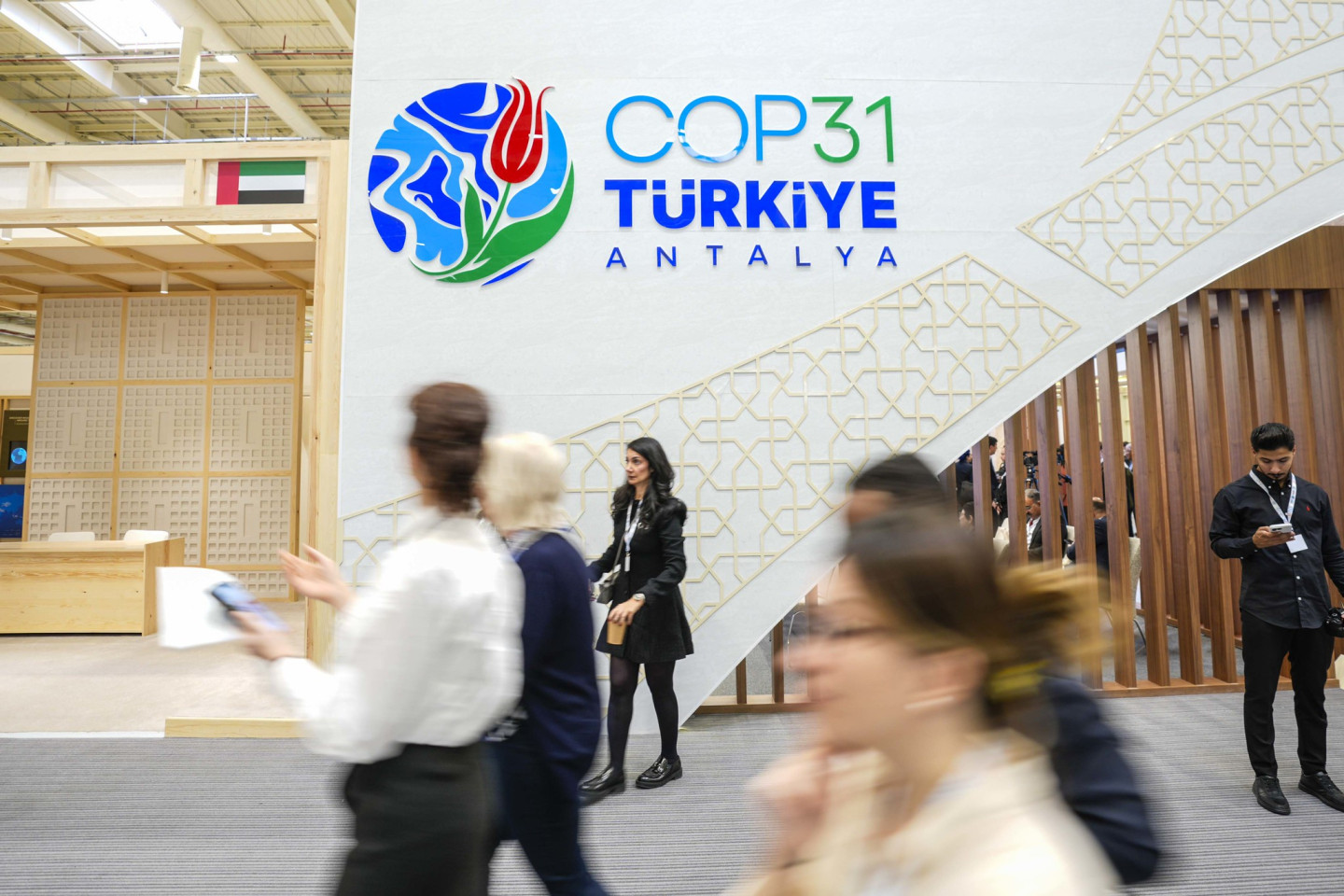
The UN climate conference COP31 ended on Sunday, 22 November, in Antalya, Turkey. It finished two days later than planned and, for the first time, without an adopted final document. Talks dragged on because countries disagreed over whether the closing text should mention fossil fuels. As a result, no concrete action plan was drawn up for a gradual phase-out of fossil fuels.
A significant number of countries, including the European Union, rejected the draft final document, objecting to its weak content. Anda Boluža, communications head at WWF Latvia's parent body, the World Wide Fund for Nature, described the outcome as unsuccessful and even a step backward. She said the conference was meant to deliver a clear shift from talks to action and results, but this was not achieved.
What was and was not achieved
The conference made progress on adaptation to climate change and on the just transition process. Issues concerning oceans and seas were raised, discussions on promoting electrification took place, and initiatives in narrower sectors developed. At the same time, the roadmaps on moving away from fossil fuels and protecting forests, produced at last year's COP30 conference, were not taken into account. The emphasis this time was on carbon capture technologies, which cannot replace the need to cut greenhouse gas emissions. No additional funding was agreed for strengthening resilience to climate change, which is especially important for the most vulnerable developing countries.
Boluža pointed to the Global Climate Action Agenda, which operates under the UN Framework Convention on Climate Change (UNFCCC), as a source of hope. According to her, the involvement of its participants shows that solutions exist and that the voluntary commitment of communities, cities and companies is genuine.
Emissions and the 1.5 °C goal
2024 was the first year in which global air temperature exceeded 1.5 degrees Celsius above the pre-industrial period, and the following two years also confirm warming. Aija Lejiņa, head of the Climate Programme at the World Wide Fund for Nature, notes that coal, oil and natural gas produce nearly 90% of the world's carbon dioxide emissions. According to the Global Carbon Budget study, fossil-origin emissions will reach about 38.2 billion tonnes in 2026. In her view, climate goals cannot be reached without a deliberate and fair phase-out of fossil fuels.