FAO in Rome marks the first International Day of the Mediterranean Diet
The UN Food and Agriculture Organization (FAO) held an event at its Rome headquarters for the first International Day of the Mediterranean Diet. The day recognizes the diet as a system linking food production and consumption with health, natural resources, livelihoods and culture.

The Food and Agriculture Organization of the United Nations (FAO) hosted an event at its Rome headquarters to mark the first International Day of the Mediterranean Diet. The UN General Assembly established the day in December 2025, following a resolution by the FAO Conference. It recognizes the Mediterranean diet as a living system connecting food production and consumption with health, natural resources, livelihoods, culture and traditions. FAO was invited to facilitate its implementation.
FAO Director-General Qu Dongyu said food choices affect not only health but also what farmers produce, how land and water are used, which products reach markets and what agrifood systems develop. He noted that eating habits are changing quickly because of urbanization, globalization and shifting incomes and lifestyles, while traditional food knowledge is weakening in many communities, especially among younger people. In his words, the goal is not to make diets identical worldwide but to ensure everyone can access a healthy, nutritious, affordable, culturally appropriate and sustainable diet.
What the diet includes
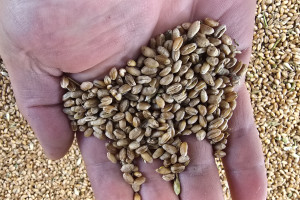
Dietary patterns differ between countries, but usually feature whole grains, vegetables, pulses, nuts, seeds and seasonal fruit. Olive oil is the main source of fat, while fish, seafood, poultry, eggs and dairy are eaten in moderation. Scientific evidence links traditional Mediterranean eating with better health, notably a lower risk of cardiovascular disease. UNESCO has recognized this heritage as part of the Intangible Cultural Heritage of Humanity.
From Pollica to Rome
The event was organized by Italy's Permanent Representation to FAO and the Future Food Institute under the theme “A living system for a shared food future”. Participants included government, scientific, agricultural and culinary representatives, among them Italian Deputy Foreign Minister Edmondo Cirielli and Undersecretary of State for Agriculture Luigi D’Eramo. At the FAO museum and network lab, the celebration highlighted Pollica, a town in Italy's Cilento area. Grandmothers, chefs and producers shared recipes and local products, such as the white fig Fico Bianco del Cilento. Earlier in November Pollica hosted three days of events and opened the Living Museum of the Mediterranean Diet, while New York held an event at UN Headquarters.