UN FAO: Global Milk and Cereal Output to Rise This Year, Beef Production to Fall
The UN Food and Agriculture Organization (FAO) forecasts growth in milk, cereal and poultry production in 2026, while beef and sheep meat output is expected to decline. High fertiliser costs continue to weigh on farmers.
Global production of milk, cereals and poultry meat is set to grow this year, but expensive fertiliser will keep up the cost pressure on farmers. This is the conclusion of the latest report on major food commodities from the Food and Agriculture Organization of the United Nations (FAO), which the agency publishes twice a year.
Dairy
The FAO forecasts that world milk production will expand by 1.8% in 2026. Stronger shipments of milk powders will lift international trade in dairy products by 2.1% compared with the previous year.
The report also highlights the growing role of whey. Strong demand for high-protein whey ingredients could increasingly shape the economics of cheese production. The benefits are likely to be concentrated among processors that have the necessary whey-processing capacity.
Meat
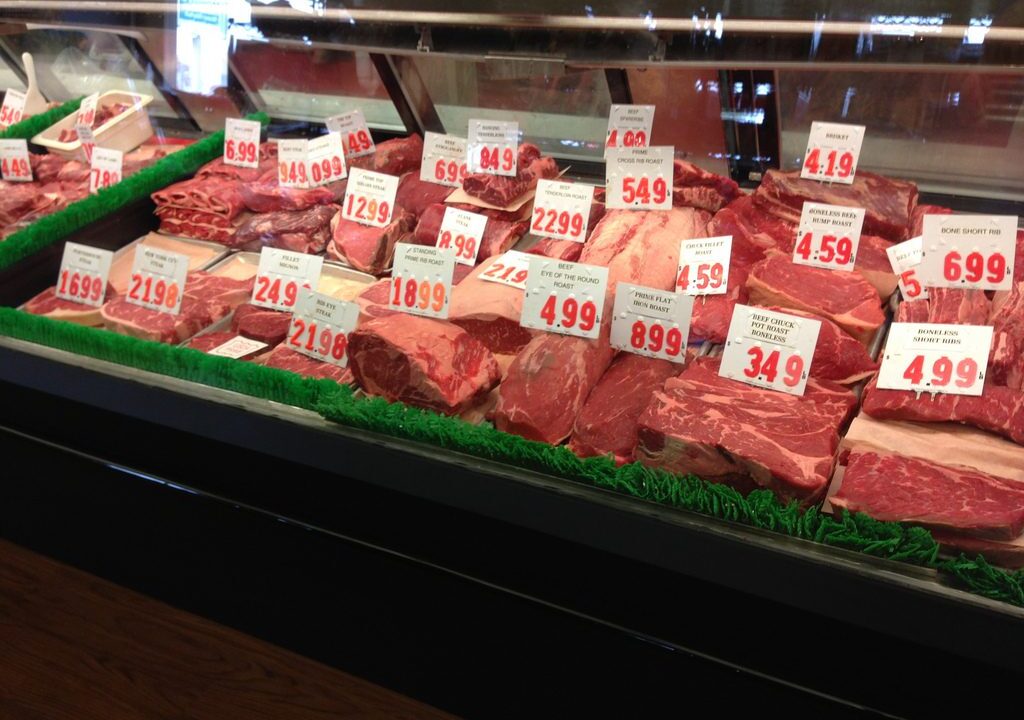
Global meat production is also projected to grow moderately in 2026, though outlooks differ between animal groups. Output of bovine and ovine meat is expected to fall because of tight animal availability, while poultry is set to carry much of the weight in global meat trade.
International prices of key feed ingredients have risen since the start of 2026, led by oilmeals. Feed costs, together with elevated energy prices, have added to livestock production costs. According to the FAO, producers are responding by substituting feed ingredients and improving efficiency, but nutritional and economic constraints limit their options.
Cereals
Global cereal stocks are forecast to rise by 1.8% by the close of the 2027 seasons. This is largely due to wheat inventories building up in the Russian Federation and Ukraine, where export disruptions are restricting shipments.
World cereal trade in 2026/2027 is expected to contract by 3.3%, driven almost entirely by a fall in wheat trade, with shipments from all major exporters declining. Global maize trade volumes, by contrast, are projected to expand. Maize output is anticipated to stay above the five-year average, and stocks are forecast to rise amid constraints on international trade.
Fertiliser
The FAO notes that fertiliser affordability relative to crop prices fell below its long-term baseline by mid-2026, reaching its lowest levels between April and June. High fertiliser costs relative to crop prices could weaken farmers' incentives to buy and apply fertilisers.