Anthropic and OpenAI roll out new AI models with lower price tags
Despite industry talk about slowing AI development, Anthropic and OpenAI have both released updated models that promise similar or better performance at reduced cost.
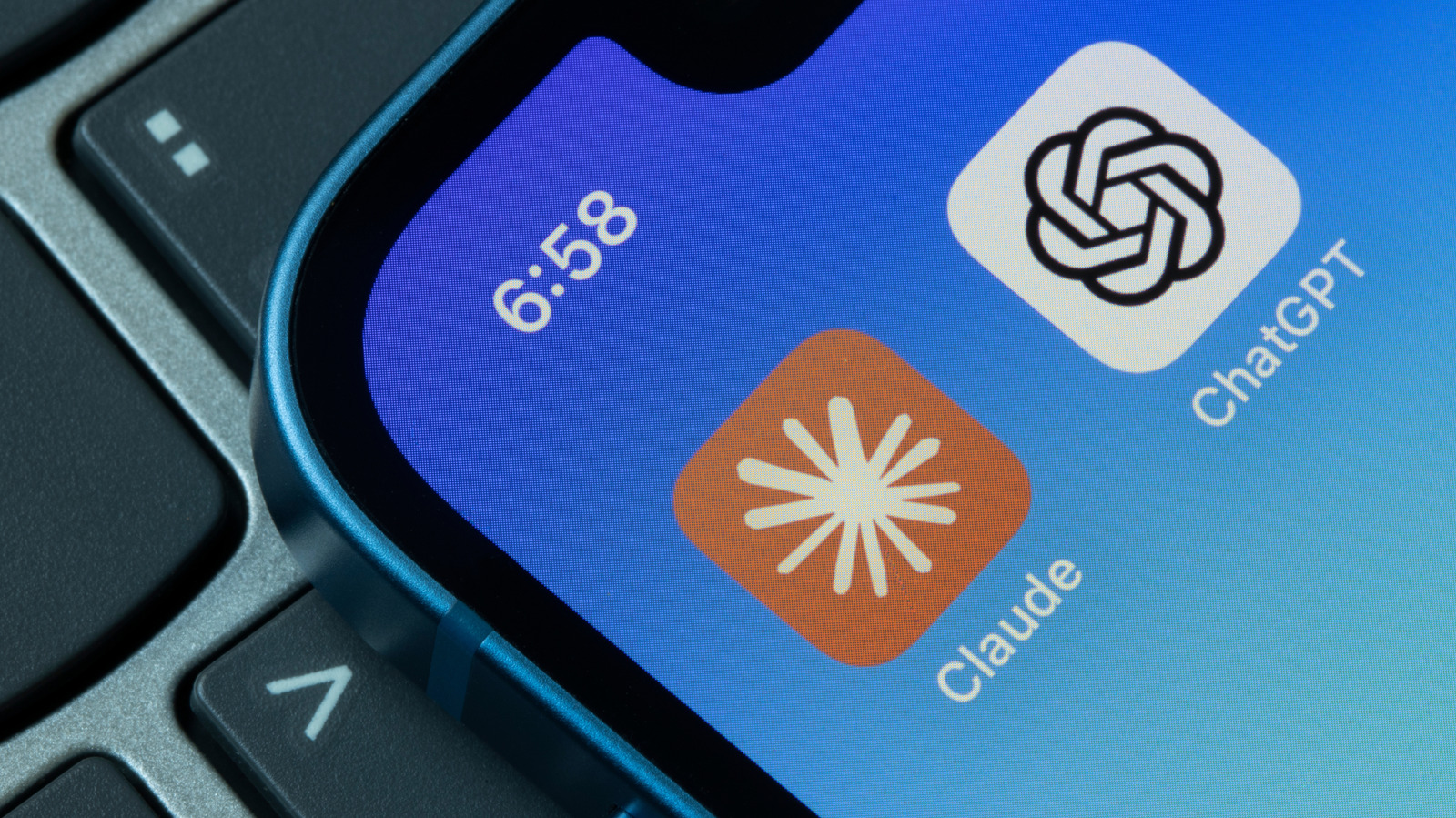
Amid ongoing industry debate about slowing the pace of AI development, Anthropic and OpenAI have both pushed out new model releases that prioritize efficiency alongside performance. The companies are updating their previous flagship models — Fable 5.1 and GPT-6 Astra — with successors that match or exceed earlier capabilities while costing noticeably less to run.
Anthropic targets enterprise workloads
Anthropic's new Opus 5.5 is being pitched primarily at business customers, with claimed strengths in identifying and fixing software inefficiencies, financial analysis, and general business tasks. According to Anthropic's own benchmarking, Opus 5.5 outperformed OpenAI's GPT-6 Astra on agentic coding tests, including Terminal-Bench 4.0 and FrontierCode v1.1. The company also says the model produces clearer writing and attempts to bypass safety boundaries roughly 85 percent less often than previous versions. Pricing has also dropped: input tokens now cost $4 and output tokens $20 per million, down from $5 and $25 for the previous Opus model.
OpenAI focuses on cost cuts
OpenAI introduced two new models, GPT-6 Sol and GPT-6 Luna, trained using methods similar to GPT-6 Astra but priced up to 50 percent lower than the promotional rates of their GPT-5.6 predecessors. GPT-6 Sol costs $2 per million input tokens and $10 per million output tokens, while Luna costs just $0.10 and $0.50 respectively. OpenAI says Sol cuts factual errors roughly in half compared to its predecessor and matches Fable 5.1's coding performance at a lower price. Improved prompt caching also lets the new models reuse more context, speeding up responses.
Both companies say their new models are better aligned with safety expectations, lying less about coding results and refusing more attempts to circumvent safeguards, based on internal testing. Anthropic and OpenAI have each proposed their own criteria for third-party evaluators to assess AI progress and safety, though no unified industry standard has emerged yet. Opus 5.5 is already available to developers via Claude, Amazon Web Services, Google Cloud and Microsoft Azure, while GPT-6 Sol and Luna are rolling out to ChatGPT Work and Codex users, with free and Go-tier users limited to Luna in the desktop app.