Apple's New Touchscreen MacBook Pro Gets an OLED Display Called PROLED XDR
Apple's new touchscreen MacBook Pro laptops use an OLED display the company calls PROLED XDR. Apple cites up to 2,000 nits of peak HDR brightness and a 10,000,000:1 contrast ratio.
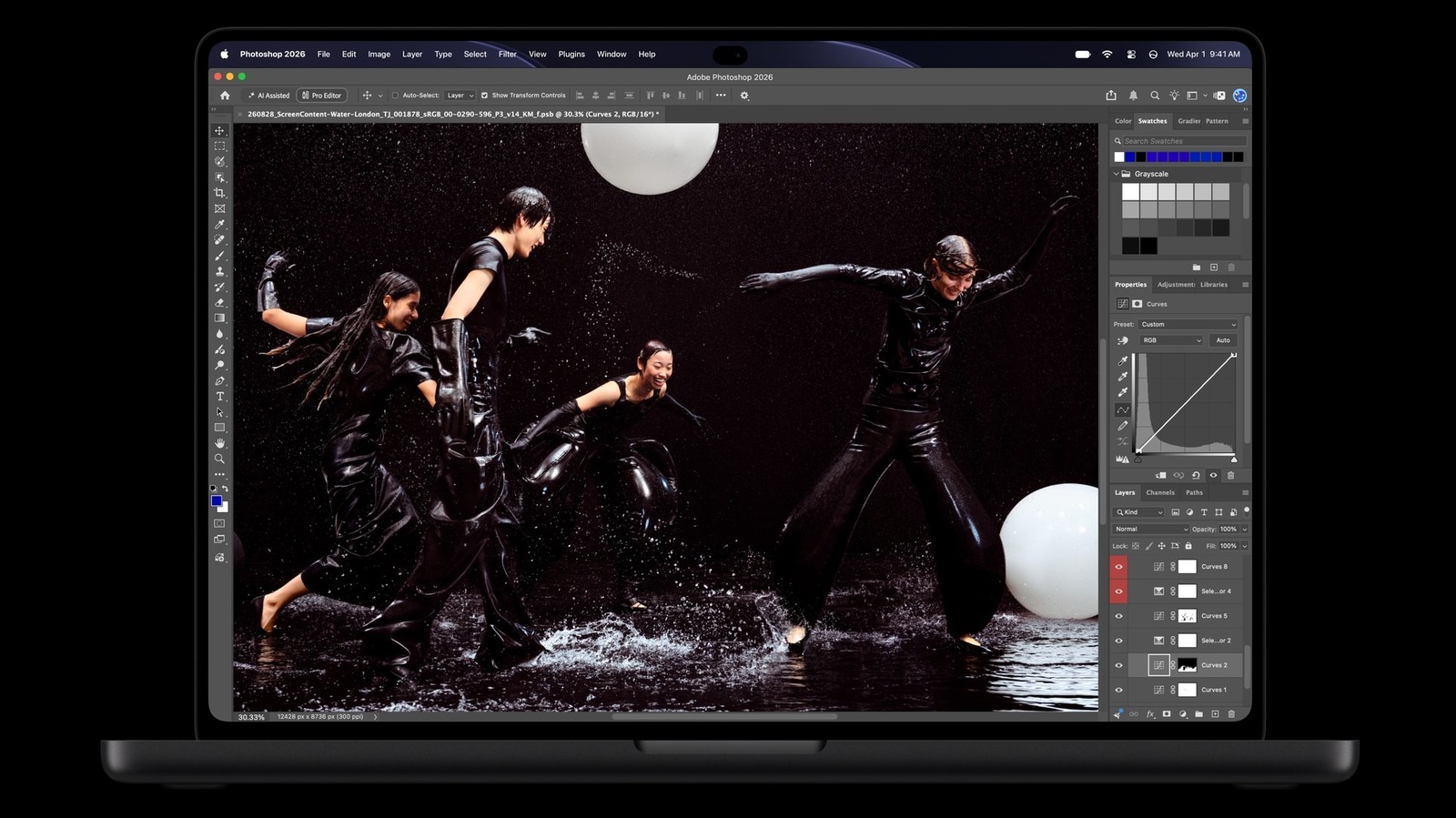
US technology company Apple has equipped its new MacBook Pro laptops with an OLED display, marketed as PROLED XDR, alongside a touchscreen. The models are aimed mainly at photographers, artists and video editors who can justify a higher price for a high-quality screen. The tech outlet Engadget considers the name overly marketing-driven, but says the "PRO" label appears to be warranted.
Tandem OLED technology
For the new models, Apple used tandem OLED technology, which it first employed in the M4 iPad Pro tablet. It stacks several organic layers into a single display panel. The approach brings several benefits: high peak HDR brightness, a lower risk of burn-in and a longer panel lifespan. The picture also stays bright and color-accurate when viewed from an angle, while contrast remains extremely high.
Based on a graphic in Apple's press release, the display appears to use a triangular pixel arrangement rather than a striped RGB layout, which can deliver sharper text. Engadget has asked the company for clarification.
Brightness and color
Apple says the new models reach up to 2,000 nits of peak HDR brightness, compared with 1,600 nits for current models with Mini LED displays. The company also claims an "industry-leading" contrast ratio of 10,000,000:1, much higher than current MacBook Pro models.
The screens cover the P3 (HDR) and Adobe RGB color gamuts, with notably wider coverage in green and cyan ranges. They cover 80 percent of the Rec.2020 gamut, intended for HDR video editing and color grading. Apple also cites factory calibration and a display engine that controls each pixel's color and luminance at the sub-millisecond level, compensating for content, temperature and environment. It also accounts for each pixel's age and usage to counter the gradual degradation of organic pixels.
Other features
The displays use 120Hz ProMotion technology, and a nano-texture option, now precisely etched into the cover glass, is available to reduce glare when working in bright environments. Models with PROLED XDR carry a base price $400 higher, which Engadget says is probably not worth it for most people, though it may be tempting for content creators.


