Poll: Ukrainians view Trump, Lukashenko and Putin most negatively
A Rating Group survey shows Ukrainians hold the most negative views of Russia's, Belarus's and the US's leaders, while rating France's, Germany's and Turkey's leaders most positively. The poll was conducted August 4-9, 2026.
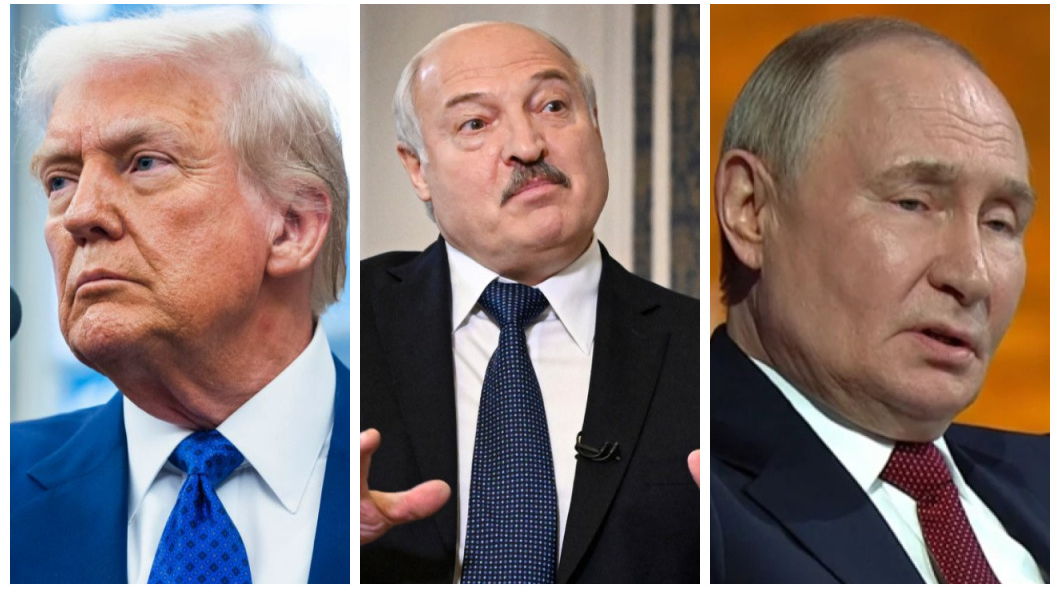
Ukraine's Rating Group sociological agency conducted a survey in August asking Ukrainians how they view the leaders of several countries. The results show that Ukrainians hold the most negative attitude toward Russian ruler Vladimir Putin, with 97% expressing a negative view, followed by Belarusian self-proclaimed president Alexander Lukashenko, viewed negatively by 90% of respondents.
The third most negatively viewed leader is US President Donald Trump — only 16% of respondents view him positively, while 77% view him negatively.
Most positive ratings
The highest approval among Ukrainians goes to French President Emmanuel Macron, viewed positively by 79% of respondents. German Chancellor Friedrich Merz ranks second with 64% positive ratings, followed by Turkish President Recep Tayyip Erdogan, supported by 61% of respondents.
Sociologists note that positive sentiment toward Macron and Erdogan has grown compared to 2024. Merz is also perceived more favorably than his predecessor Olaf Scholz, who had a 57% positive rating in February 2025.
Shifts on Poland and Hungary
The survey also points to significant changes in attitudes toward Poland's leadership. Former Polish President Andrzej Duda was viewed positively by 72% of respondents in February 2025, but after Karol Nawrocki's election, attitudes toward the Polish president worsened — now only 20% view him positively, while 62% view him negatively.
Meanwhile, Ukrainians rate Hungarian Prime Minister Péter Magyar considerably more favorably than his predecessor Viktor Orban, who is viewed negatively by 74% of respondents.
The survey was conducted from August 4 to 9 via computer-assisted telephone interviews with 2,000 respondents across Ukraine, excluding temporarily occupied territories and areas without Ukrainian mobile coverage. The sample is representative by age, gender and settlement type, with a margin of error not exceeding 2.2%.