UK's first 'super-university' combining Greenwich and Kent set for September launch
The merger of the universities of Greenwich and Kent will create a new institution with more than 50,000 students, becoming the UK's third-largest higher education provider.
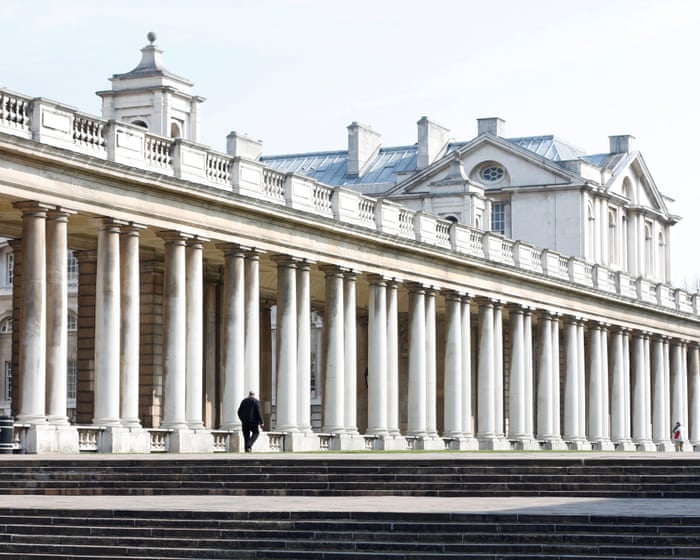
Britain is about to get its first so-called super-university. The Universities of Greenwich and Kent are merging into a single group, named the London and South East University Group (LASEUG), which is scheduled to begin operating in September.
The new organisation will have over 50,000 students across four campuses in London, Medway and Kent. That makes it the third-largest higher education institution in the country. The official launch is set for 7 September, exactly one year after the plan was first revealed and several months after receiving government approval.
Despite joining forces, the two universities will continue to function as separate academic divisions and keep their existing names and identities. Students will remain enrolled at the institution they chose, and will graduate from it. Staff, however, will become employees of the university group as a whole.
Professor Jane Harrington, the University of Greenwich vice-chancellor who will also serve as the new group's chief executive, said the past year had involved intense work on an ambitious timetable and on building a novel model that had not been tried before. She added that the result is a smooth start, a strong senior leadership team and a clear direction for fulfilling the group's potential as the UK's first super-university.
The two institutions had earlier described the merger as a blueprint for others, building on more than two decades of cooperation and giving them a more secure financial base.
The move comes as British universities face serious financial strain. The Office for Students, England's higher education regulator, warned that 24 providers were at risk of becoming insolvent and closing in the 12 months to November. It also projected that 45% of higher education providers could run a deficit in 2025-26.
In May, members of Parliament's education select committee said the sector was in a financial crisis, with a real possibility that a university could close. They noted that many institutions had already cut jobs, sold buildings or land and shut courses. The consequences, they warned, would be severe for students, staff, local economies and the country's academic reputation.

/nginx/o/2026/09/28/17944070t1h4e75.jpg)
