Planned UK reforms may cap pet prescriptions at £21
The UK government is considering veterinary sector reforms including mandatory licensing, a new regulator, and a £21 price cap on pet prescription medicines to improve competition and lower costs for pet owners.
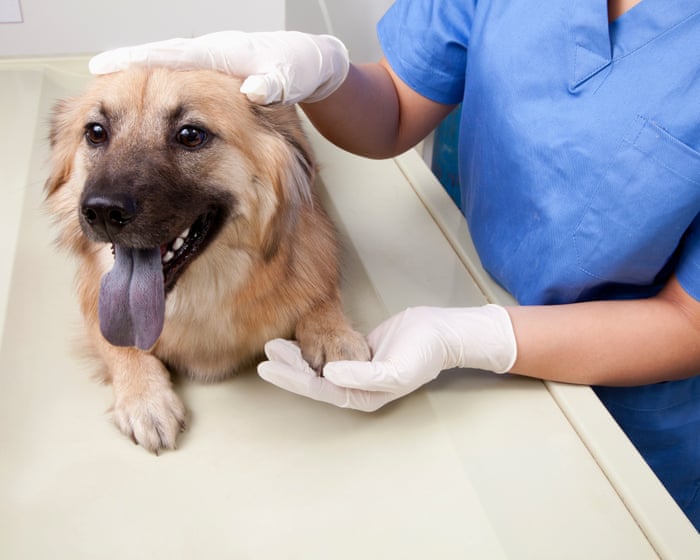
UK veterinarians may soon be required to hold licenses and cap the price of pet prescription medications at £21 under proposals outlined in a government white paper published on Thursday.
The reforms aim to address high costs and lack of competition in the veterinary industry. More than 60% of veterinary practices in the UK are wholly or partly owned by six large groups: CV, Pets at Home, Medivet, IVC and VetPartners (backed by private equity), and Linnaeus, whose parent company is Mars Petcare, a subsidiary of the US confectionery giant Mars.
Earlier this year, the Competition and Markets Authority (CMA) found public satisfaction with service costs to be "low" and that competition between veterinary businesses was weak. The white paper proposes mandatory price lists and transparency about ownership structures.
Environment Secretary Emma Reynolds said: "Pets are part of the family, but for too many households the cost of caring for them has become a real worry. These reforms will help owners avoid unexpected bills, compare prices more easily and get the best value care for their pets."
Pet owners spent over £6.7 billion on veterinary and other services in 2024, averaging £390 per pet-owning household. Some procedures are far more expensive: for example, cruciate ligament surgery in dogs can cost £5,000 or more.
Ministers stressed that changes are needed because the industry has changed dramatically since the 1960s Veterinary Surgeons Act, when most practices were farm-oriented and family-run. Today, small animal care dominates and large chains control much of the market.
CMA Chief Executive Sarah Cardell backed the proposals: "These proposals would ensure that vet businesses are accountable to an independent regulator, while offering consumers more protection and a fairer deal."
This year, Great Western Exotics, the UK's only training centre for avian medicine, closed after being acquired by a large conglomerate. Campaigners argue that the rise of private equity in the sector has reduced consumer choice and prioritized profit over pet care.

/nginx/o/2026/10/02/17950820t1hf79f.jpg)