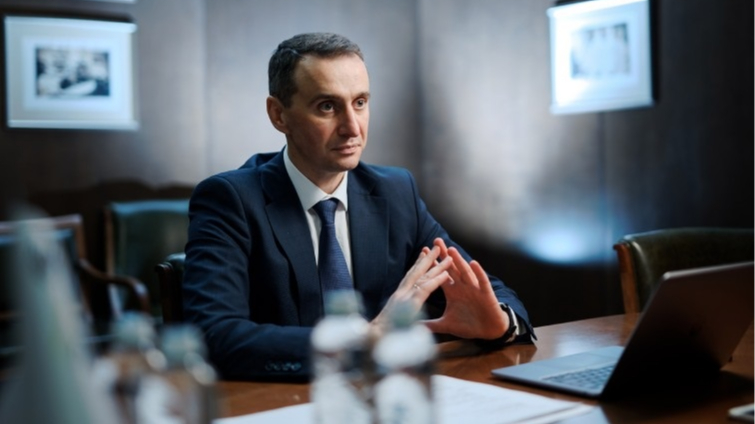
Doctor Apinis: what should be in a home first-aid kit for a crisis situation
Latvian physician Andrejs Apinis explains why ordinary residents should prepare a personal first-aid kit for a possible military threat, drawing on Ukraine's wartime experience and modern battlefield medicine standards.

The author argues that Latvia's Health Ministry has for years treated public readiness for crisis situations with indifference despite the security threat posed by Russia. Rather than offering a simple shopping list of medicines, he focuses on the knowledge and skills each person needs to help themselves and others in an emergency.
Personal experience and professional-grade equipment
He describes keeping a defibrillator, a manual resuscitation bag (Ambu bag) and anti-shock supplies in his own car, which have already helped save lives on several occasions. He notes that a well-known Latvian emergency physician, Robert Fūrmanis, carries even more extensive equipment, but stresses that people without medical training have no need for such an arsenal and could even do harm with it.
Pain shock as the main danger
In a military conflict, the priority is preventing traumatic (pain) shock, caused by severe tissue damage and blood loss, which can be fatal even without a mortal wound. Citing Tactical Combat Casualty Care (TCCC) standards, the author says stopping bleeding with a pressure bandage or tourniquet is the essential first step, since medication cannot help while bleeding continues. Warming the casualty, minimizing movement, immobilizing broken limbs and providing psychological reassurance are also crucial, as panic worsens shock.
Lessons from the war in Ukraine
Having visited Ukraine several times, the author explains that the classic "golden hour" principle no longer applies in wartime: drone threats often prevent the use of marked ambulances, and evacuation from front-line areas can take 12 to 24 hours or even days. This has shifted military medicine toward "Prolonged Field Care," including knowledge of tourniquet time limits and conversion protocols to avoid tissue damage.
Rehydration and mistakes with Rehydron
A large part of the article addresses fluid replacement. The author criticizes the Health Ministry's advice to stock Rehydron rehydration powder, noting that people commonly prepare it at the wrong concentration, which worsens rather than treats dehydration. He recommends following the exact water ratio, sipping warm fluid slowly, and adding nothing else. As an alternative, he mentions the American practice of using the sports drink Gatorade, but his main recommendation is to keep bottles of Ringer's solution at home — an industrially balanced isotonic electrolyte fluid without added sugar that can be consumed safely without precise measuring.