Eight hours of sleep isn't a universal rule, scientists say — so how much do we really need?
Researchers say the widely repeated recommendation of eight hours of sleep is not a fixed biological standard, since sleep needs vary from person to person. How a person feels after waking and throughout the day matters more than the exact number of hours slept.
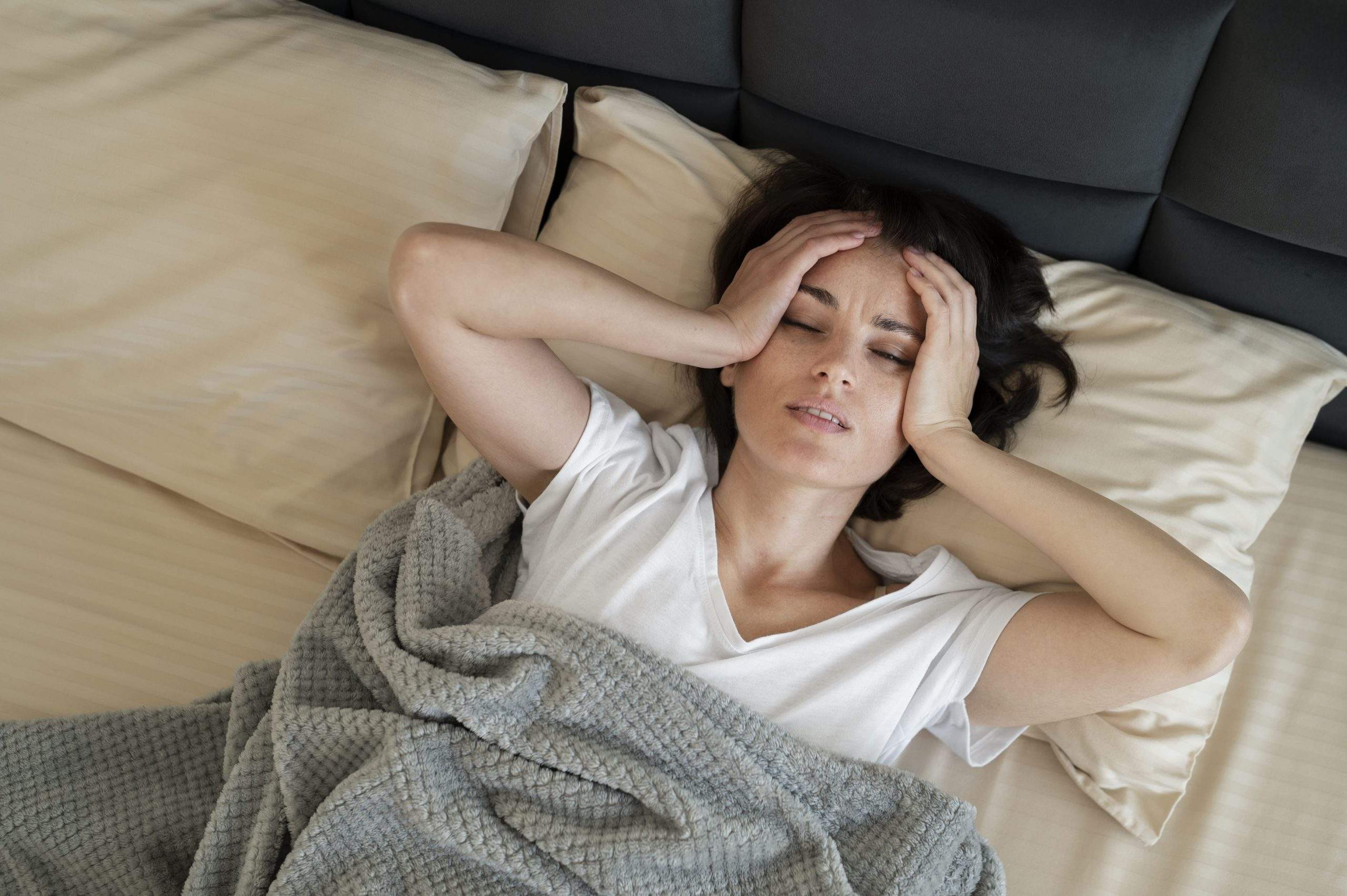
The morning question "how many hours did you sleep?" often carries an assumption that eight is the right answer. But scientific research suggests this figure is not a hardwired biological rule, rather an average benchmark that doesn't suit everyone equally.
What studies of traditional communities show
Research on communities in Tanzania, Namibia and Bolivia, whose lifestyles depend little on electricity, found that people there slept on average between 5.7 and 7.1 hours per night, typically waking with sunrise and not compensating with daytime naps. Another analysis found that in pre-industrial societies, average nightly sleep was around 6.4 hours. This doesn't mean modern people should aim for just six hours of sleep, but it does show that the eight-hour mark isn't a universal biological requirement.
The effect of electricity and screens
Today, sleep patterns are no longer dictated solely by the sun's cycle — artificial lighting and screen light in the evening can affect the body's internal clock and delay the processes needed to fall asleep. As a result, the issue is often not a genuine lack of sleep, but going to bed too late, keeping an irregular schedule, or not getting sufficiently restful sleep.
An individual approach matters more than a number
Sleep needs are shaped by age, health, lifestyle and individual physiological traits. Some large studies looking at optimal sleep duration for specific groups point to a range of roughly 6.4 to 7.8 hours, but that doesn't mean seven hours is "better" than eight — if someone wakes refreshed and alert after eight hours, there's no reason to artificially cut sleep short.
The National Sleep Foundation recommends 7 to 9 hours per night for adults aged 26 to 64, noting that needs shift with age, illness, physical exertion and stress. Experts suggest paying more attention to how one feels upon waking and during the day than to the exact hour count — persistent fatigue or trouble concentrating can signal insufficient or poor-quality sleep.