FCC bans Chinese humanoid robots, citing national security risks
The US Federal Communications Commission has banned humanoid robots from China, citing unacceptable risks to national security. The ban also covers connected power inverters and data center equipment.
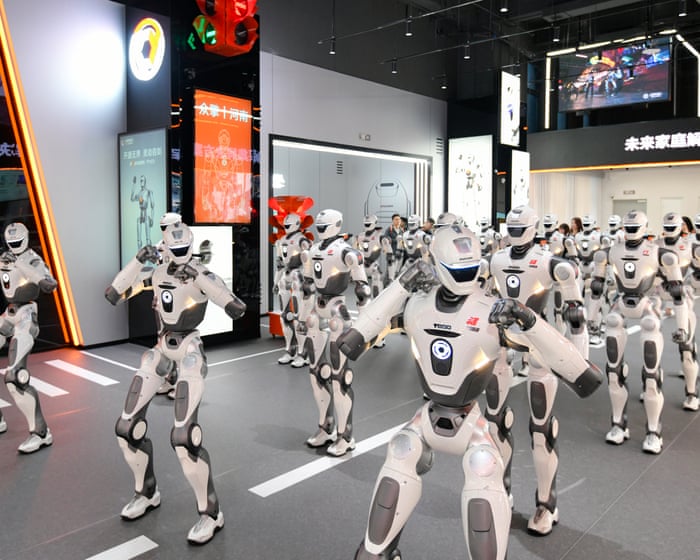
The Federal Communications Commission announced a ban on humanoid robots from China on Tuesday, stating that the technology poses "unacceptable risks" to US national security. This move is part of the Trump administration's broader efforts to limit Chinese technology in the US.
The FCC defines the banned robots as "advanced robotic devices," including humanoids and animal-like quadrupeds. According to the FCC, these devices can collect data that could be exploited by malicious actors to surveil Americans, enhance foreign intelligence capabilities, or remotely commandeer the robots.
In addition to humanoid robots, the FCC also barred connected power inverters, which allow renewable energy sources and batteries to connect to grids, as well as datacenter equipment. These restrictions align with the Trump administration's goal of promoting US-made technology and encouraging companies to shift manufacturing domestically.
An administration official, speaking anonymously, said the President has emphasized the need for independent and secure supply chains for critical technologies like robotic devices and power inverters. "Economic security is national security," the official added.
The restrictions apply only to robot and inverter models that have not yet been released. However, the FCC retains authority to revoke authorizations for models already approved for sale in the US. Humanoid robots, equipped with AI-enabled "brains," are forecast for broad adoption in consumer and industrial sectors, while the explosive growth of data center construction in the US relies on reliable inverter supplies. China is the world's largest manufacturer of inverters, led by Sungrow Power Supply and Huawei, which are already under heavy US sanctions. The Chinese embassy in Washington did not immediately respond to a request for comment.

