US defense secretary's planned public execution echoes Iranian practice, writer argues
A Guardian correspondent who witnessed a public execution in Iran in 2005 compares it with US defense secretary Pete Hegseth's plan for a public execution of Nidal Malik Hasan, who killed 13 people at Fort Hood in 2009.
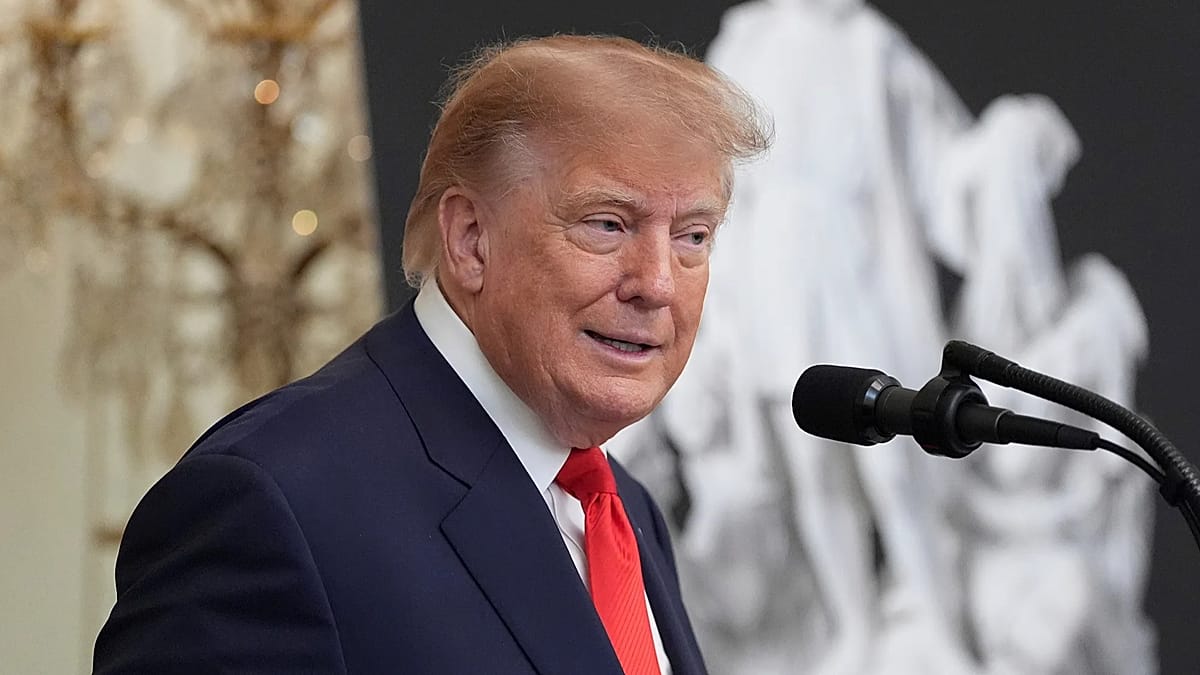
US defense secretary Pete Hegseth, who styles himself “secretary of war”, plans to hold a public execution of Nidal Malik Hasan, a former army psychiatrist. Hasan killed 13 people at the Fort Hood military base in Texas in 2009. Hegseth told the rightwing network Real America’s Voice that he wants people to be able to watch, because they need to understand there are serious consequences for such crimes. In this opinion-led piece in the Guardian, the author says the plan resembles Iran's practice of staging executions as public spectacles. He also notes that the US has failed for seven months to defeat the Tehran regime on the battlefield.
An eyewitness account from Iran
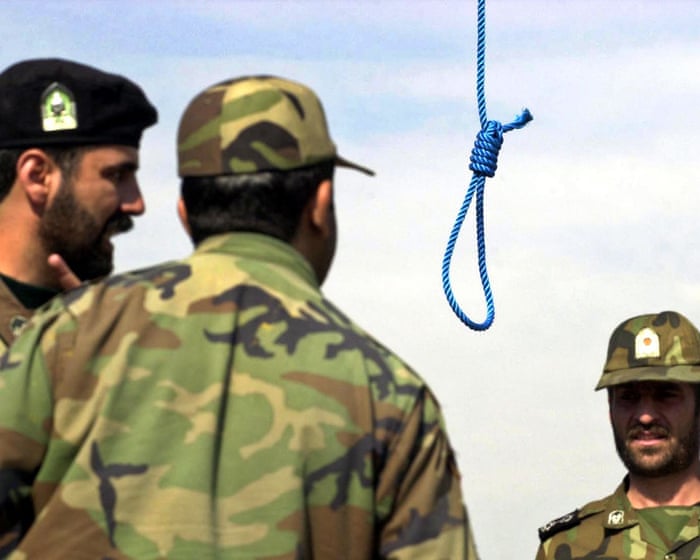
The author, who began work as the Guardian's correspondent in Iran more than two decades ago, saw a public execution days after he arrived. It took place in Pakdasht, about 56km from Tehran, on 16 March 2005. Child serial killer Muhammad Bijeh, who reportedly murdered 17 children and three adults, was hanged from a crane. Before that he received the Islamic punishment of 100 lashes. Police cars toured the streets, with loud-hailers summoning residents to watch. A youth said to be the brother of one of the victims stabbed Bijeh on the platform. The crowd chanted, and the father of one murdered child urged the crane operator to turn the condemned man around and make him swing.
A local court official told the author that the emotions of the people had calmed and that the execution had to be held in public. The author was unconvinced. He says he photographed the scene and is now sure that was wrong.
Comparison with US practice
The author notes that in 2001 he reported on the execution of Timothy McVeigh, the Oklahoma City bomber, in Terre Haute, Indiana. McVeigh was put to death by lethal injection behind closed doors in a federal prison. In Iran, by contrast, he says officials deliberately fanned voyeuristic impulses, seemingly to flaunt authoritarian power. He concludes that Hegseth's plan raises the question of whether, at least under Donald Trump, the values of Washington and Tehran are really so different.