US officials say NVIDIA still isn't doing enough to stop chip smuggling to China
Following the arrest of a man accused of smuggling $300 million worth of NVIDIA AI chips to China, US officials say the company has failed to catch clear warning signs. NVIDIA denies wrongdoing and insists it follows export laws.
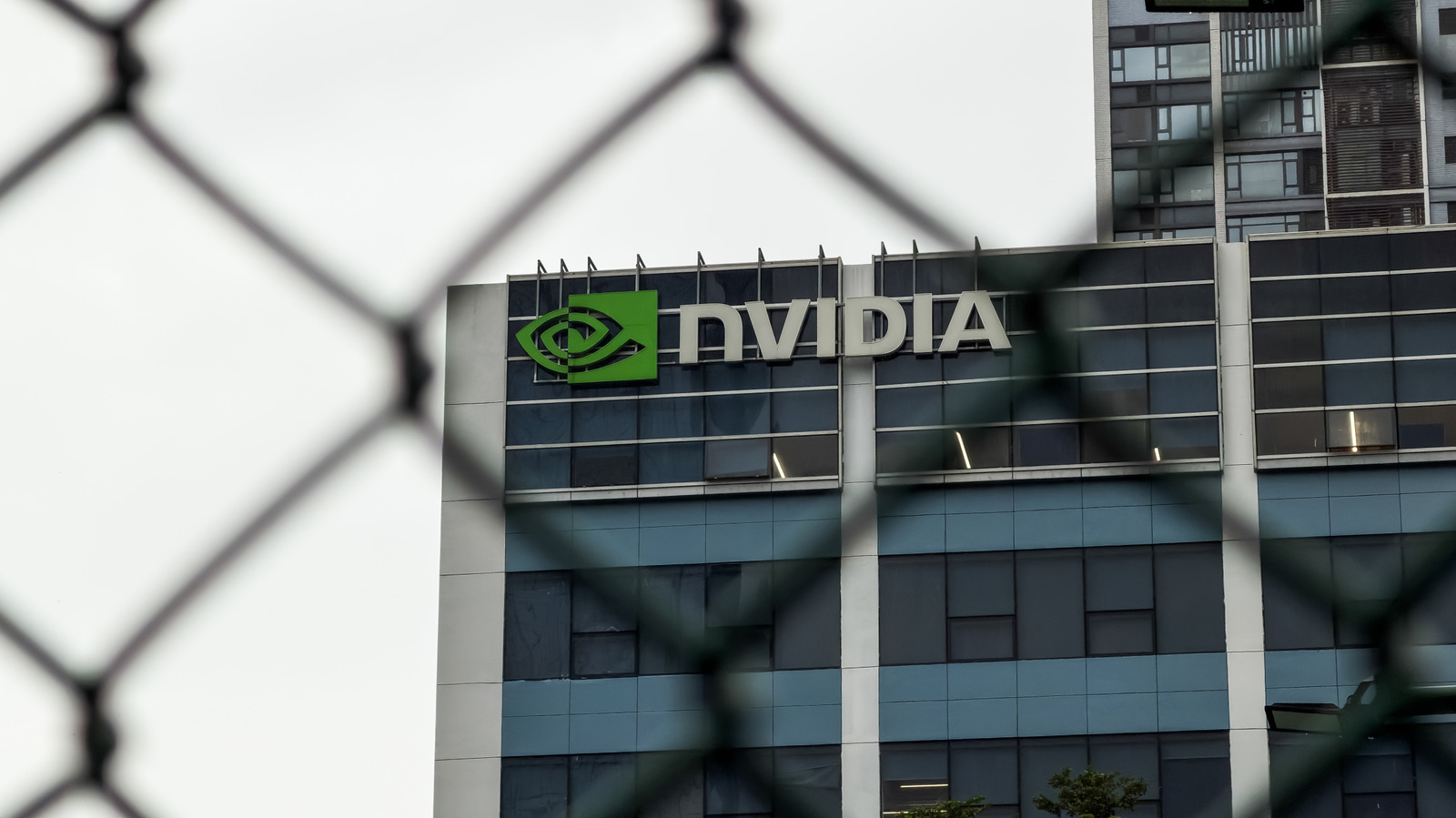
US prosecutors have charged a man named Greg Lui with smuggling servers containing roughly $300 million worth of NVIDIA AI chips to China, violating American export control laws. The arrest follows an earlier case this year involving surveillance footage showing someone using a red hair dryer to peel serial-number stickers off NVIDIA server boxes to disguise the equipment's origin.
Government officials and industry critics argue that NVIDIA has gaps in its due diligence and missed obvious red flags. One such flag: countries near China, such as Thailand and Singapore, have been receiving far more chip shipments than their own markets could plausibly use. Former State Department AI policy head Daniel Remler said he never got a clear explanation for why so many chips were flowing into Southeast Asia if they weren't serving customers there.
The hair dryer scheme
The most prominent case involves Super Micro, whose co-founder Yih-Shyan "Wally" Liaw is among those accused of helping arrange roughly $2.5 billion in AI server sales to a Bangkok-based company called OBON, ostensibly to build AI infrastructure in Thailand. In reality, the servers were shipped directly to end-users in China, with conspirators swapping stickers from genuine NVIDIA units onto dummy servers using a hair dryer to fool compliance checks.
Officials say NVIDIA should have noticed that OBON lacked the physical data center capacity — around 100 megawatts — to actually use the volume of servers it was buying, especially since Thailand's total AI data center capacity is only a few hundred megawatts. NVIDIA rejected the criticism, saying a startup's growth plans in a friendly country shouldn't automatically be treated as suspicious, and that it follows the law as written.
NVIDIA also pointed to progress by China's Huawei in domestic AI chip development, arguing this reduces Chinese buyers' need to smuggle NVIDIA hardware at all. Meanwhile, CEO Jensen Huang has lobbied for looser export rules and persuaded the Trump administration last year to approve sales of the earlier-generation H200 accelerator to China. Senator Elizabeth Warren criticized Huang after he declined to testify before Congress on the matter, noting his availability for high-profile events abroad.

