US approves first autonomous robot for drawing blood
The US FDA has approved Aletta, an autonomous blood-drawing robot from Dutch company Vitestro. The device could reach Latvia within two to three years.
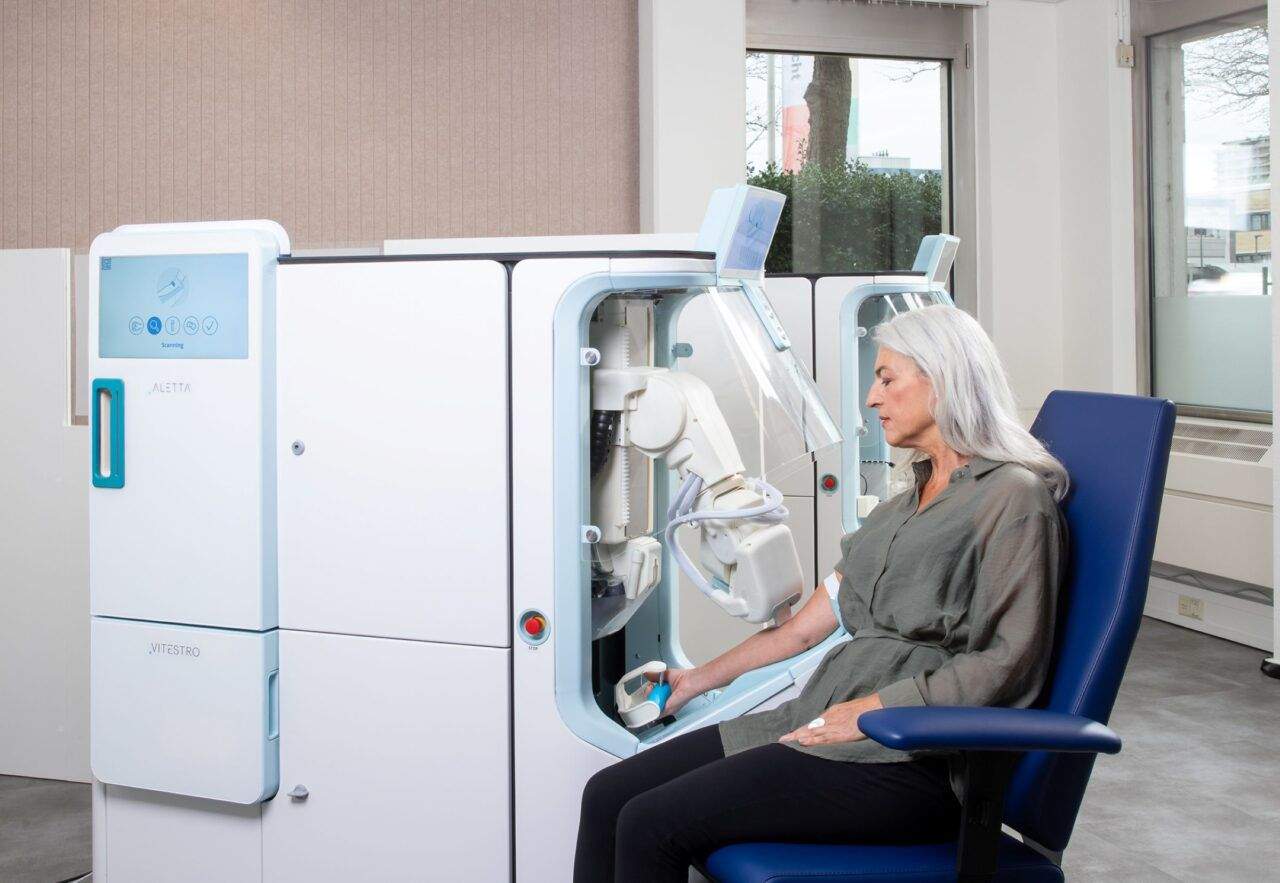
On August 19, the US Food and Drug Administration approved Aletta, a device developed by Dutch company Vitestro described as the first autonomous robotic system capable of drawing blood from a patient's vein without direct involvement by medical staff. The device has already received CE marking in Europe and is intended for outpatient use in adults, though it may only operate under the supervision of a worker trained in phlebotomy. One supervisor can oversee up to three units at once, which could help ease the shortage of phlebotomists in the US.
Physician and publicist Pēteris Apinis wrote about the development, noting that in Latvia blood draws are traditionally performed by nurses, and the country faces a serious shortage of nursing and laboratory staff. Drawing blood is especially difficult in children, elderly patients and people with obesity, whose veins are harder to locate.
How Aletta works
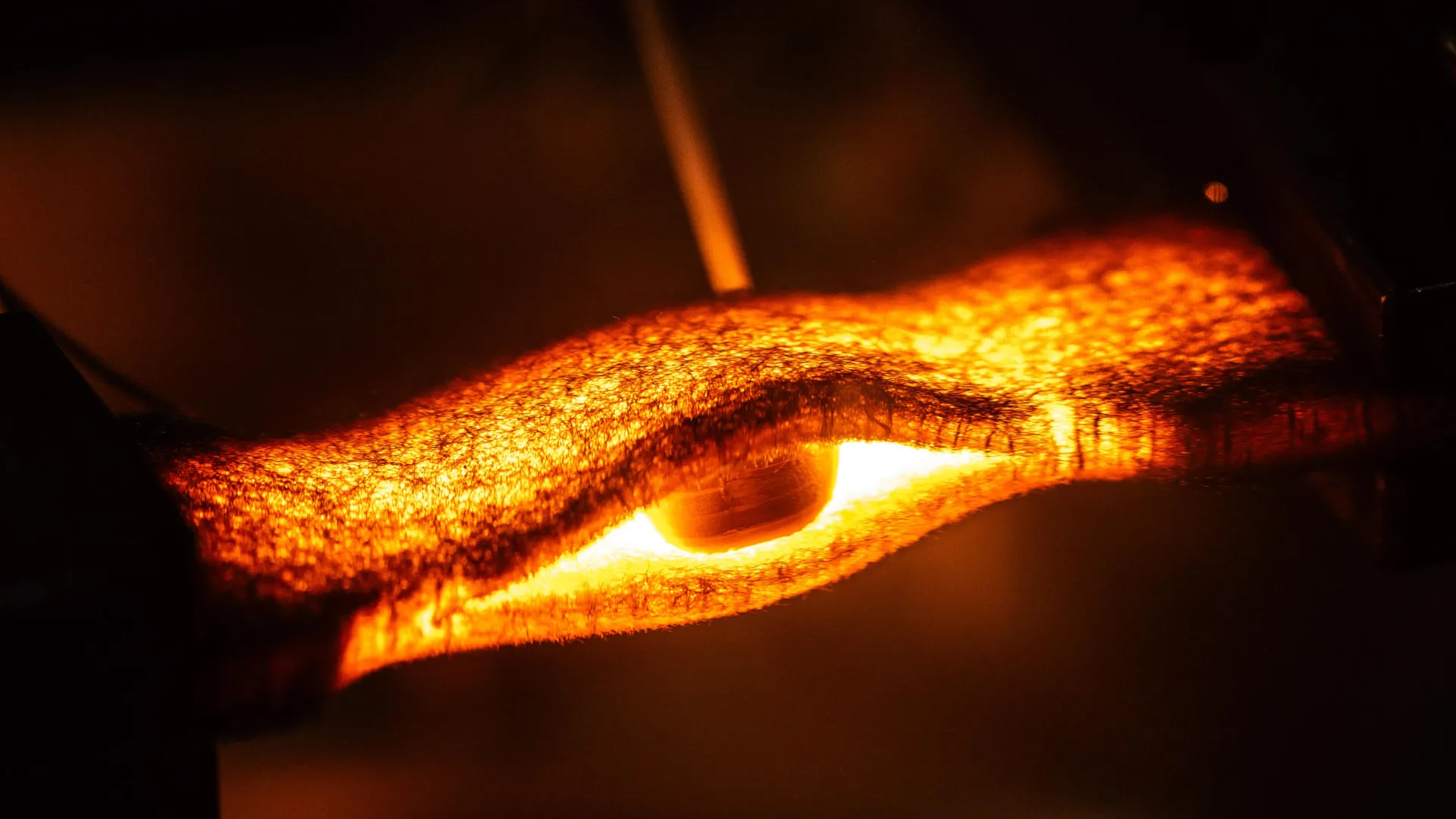
After a patient or supervisor presses a button, Aletta uses near-infrared light and Doppler ultrasound to scan the arm with millimeter precision, distinguishing veins from arteries and assessing their depth. The device then autonomously applies a tourniquet, disinfects the skin, inserts the needle, switches collection tubes and applies a bandage. If the patient moves excessively or other risks are detected, the procedure stops automatically.
In clinical trials, first-attempt success rates exceeded 97% among patients with high body mass index and 92% among those who self-reported having difficult veins — outperforming average manual draw rates in complex cases. In Europe, including clinics in the Netherlands and Denmark where the device is already in use, success rates topped 94%, and most patients rated the procedure as less painful than a conventional blood draw.
Apinis estimated Aletta could arrive in Latvia within two to three years, likely first at major clinics of E.Gulbja Laboratory and Centrālā laboratorija. Other solutions are also advancing, including portable vein-finding scanners such as VeinViewer and AccuVein, as well as point-of-care testing technologies that require only a small blood drop from a finger prick. Experts stress the goal is not to replace medical staff but to relieve them of the most technically demanding part of the task.