U.S. Army Plans Drone Manufacturing Contest to Test Production Capacity
The U.S. Army is planning a small-drone «Manufacturing Rodeo» in which commercial makers will work with Army facilities. It aims to test whether large numbers of cheap combat drones can be built quickly with reliable supply chains.
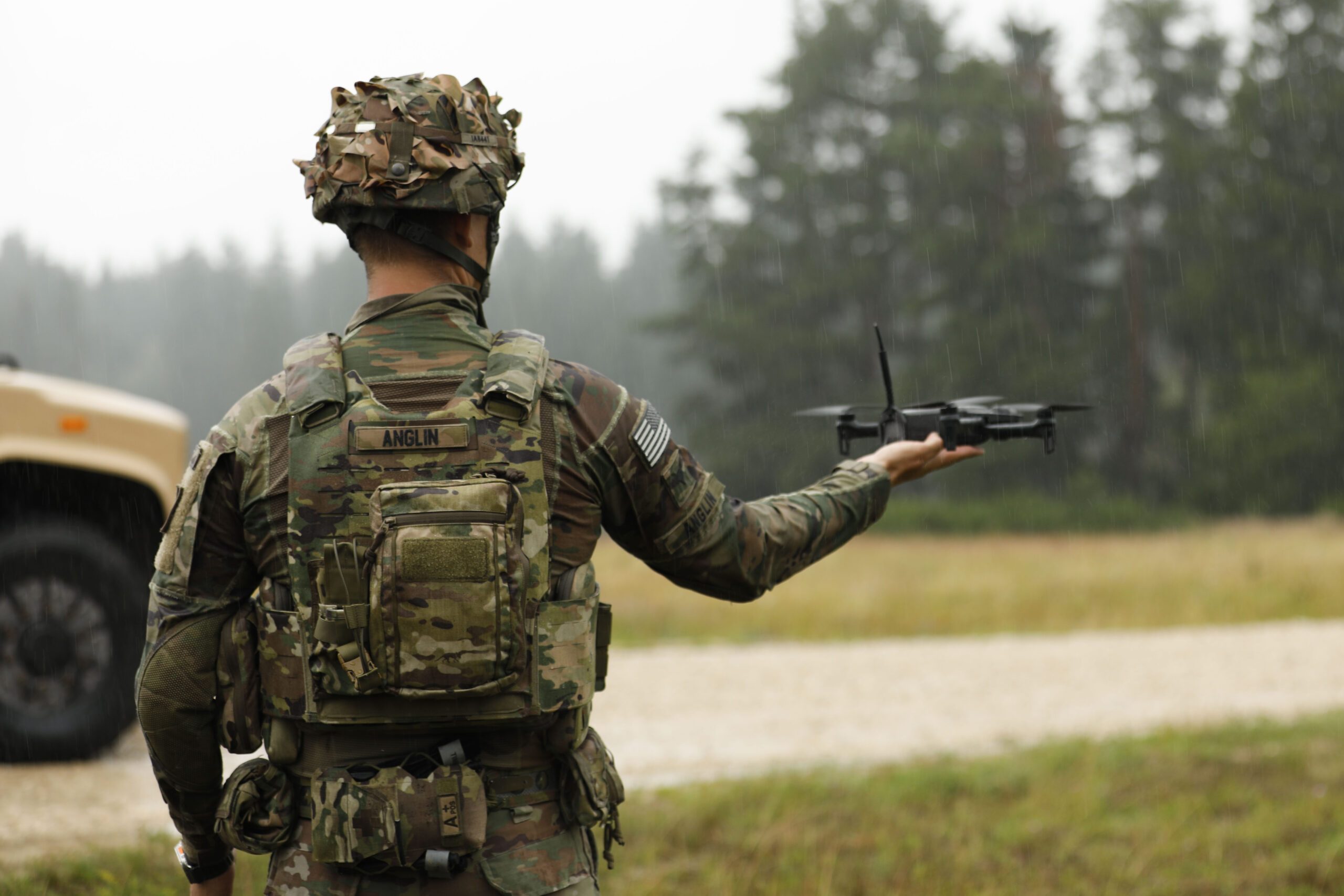
The U.S. Army Contracting Command published a solicitation on November 13 for a small uncrewed aircraft systems (sUAS) «Manufacturing Rodeo». The contest would pair commercial drone manufacturers with the Army's existing industrial facilities. It focuses on small first-person-view (FPV) one-way attack drones and loitering strike systems, and it addresses the problem of producing inexpensive drones fast enough to meet battlefield demand.
From small runs to mass production
The Army says traditional defense manufacturing has centered on small quantities of expensive, specialized systems. That is a problem when forces need many drones that may be lost or expended in operations. The solicitation lists limited production flexibility, reliance on foreign components and vulnerable supply chains as weaknesses.
The Army proposes combining the capacity of government facilities with the design and development skills of private firms. The model would draw on the Army's Organic Industrial Base, which includes government-run depots and manufacturing sites, together with commercial defense manufacturers.
Targets and battlefield testing
The initial effort calls for 400 flight-ready drones and 20 ground control stations. The aircraft would be Group 1 FPV one-way attack systems priced at no more than $3,000 each. The Army would supply some components, including batteries, motors and frames. Systems must work in difficult conditions, including electronic interference and limited satellite navigation.
The drones will compete in a dedicated category at the Army's Drone Dominance Gauntlet III, scheduled for March 2027. Active-duty soldiers will assess them against obstacles, targets and electronic warfare challenges. Successful participants could qualify for follow-on production options of up to 10,000 aircraft, potentially at Army depots on shared manufacturing lines run with commercial partners.
Supply chain tests
The evaluation goes beyond flight performance. The Army plans to test whether manufacturers can keep producing during simulated raw-material shortages and component supplier disruptions. Companies must provide detailed supply chain information and explain how they would handle shortages. The Army also wants to see whether production lines can raise output quickly by adding shifts and expanding activity.
The wider Manufacturing Rodeo was announced in October by Acting Secretary of the Army Adam Telle, who described it as a race between industrial partners meant to show where the system breaks. A virtual industry briefing was scheduled for November 16, and the solicitation lists November 20 as the response date, although the attached instructions set an earlier deadline for initial solution briefs.