US Supreme Court ruling on birthright citizenship eases fears among Indian families
The US Supreme Court upheld birthright citizenship, providing relief to thousands of Indian families whose children are US-born, though long green card backlogs remain unresolved.
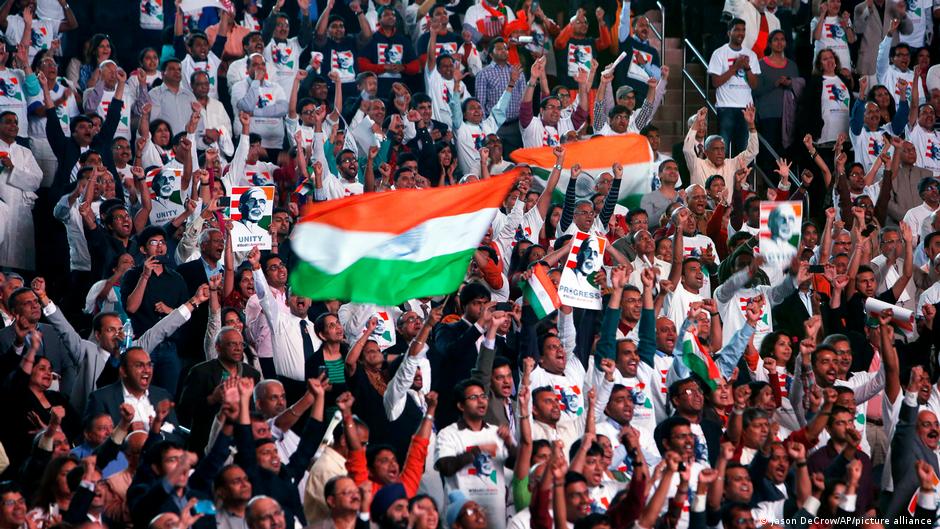
The US Supreme Court late June left birthright citizenship intact, blocking President Donald Trump's executive order that would have denied automatic citizenship to children born to parents in the country illegally or on temporary visas. The decision is a relief for many Indian families, especially those on H-1B visas who face decades-long waits for permanent residency.
Indians are the largest recipients of H-1B visas and have the longest waits for employment-based green cards due to per-country caps. Community organizations estimate hundreds of thousands of children have been born in the US to Indian parents on temporary work visas. The court ruling ensures these children remain US citizens, with access to passports and Social Security numbers.
Immigration lawyers note that the ruling addresses only part of a larger problem. Indian professionals face a massive backlog for green cards, with some waiting for decades. As a result, birthright citizenship had been one of the few certainties families could rely on.
The political debate over birthright citizenship continues. Trump and many conservatives argue it encourages abuse like "birth tourism." However, lawyers emphasize that H-1B holders are legal workers who pay taxes, and their US-born children cannot sponsor parents for green cards until age 21.
Meera Shankar, former Indian ambassador to the US, called the ruling reassurance rather than resolution. "The US has become far less welcoming to immigrants under the Trump administration. It may prompt some highly skilled Indians to rethink their career choices," she said.


