Supreme Court leaves in place injunction against DEI grant cancellations
The US Supreme Court has declined to intervene in a case over cancelled DEI-related research grants, leaving a lower court's preliminary injunction in force. The grants restored to the researchers therefore stay in place while the case continues.
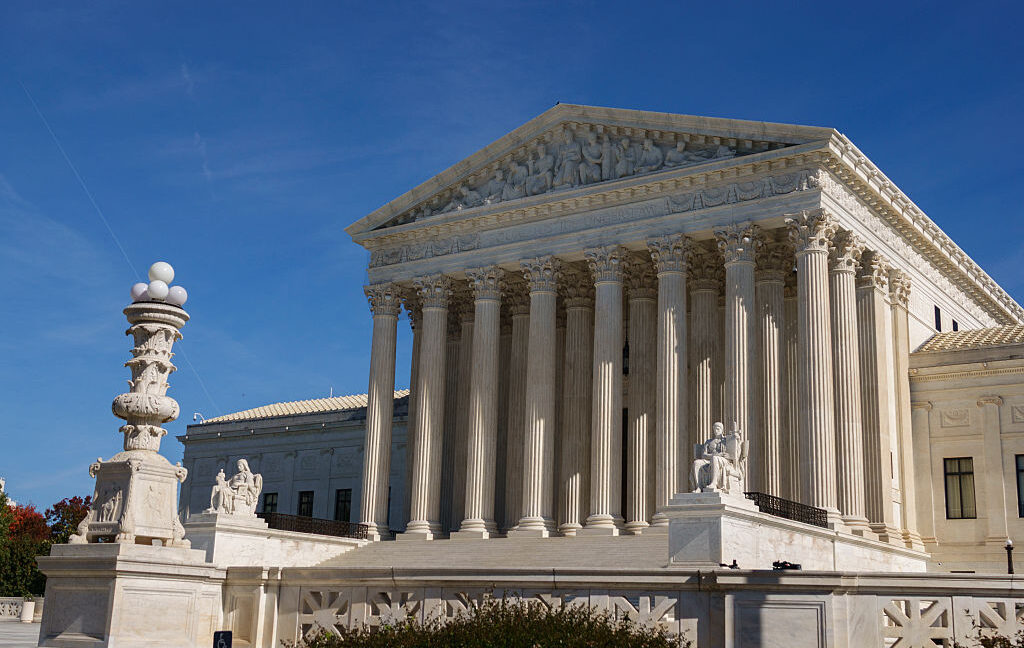
The US Supreme Court has chosen not to step into a dispute over research grants cancelled by the government because they were tied to diversity, equity and inclusion (DEI). As a result, a lower court's preliminary injunction stays in force. It requires the grants to be restored to the researchers involved while the case continues.
How the dispute arose
The researchers argued that the cancellations were viewpoint discrimination that violated the First Amendment, which protects free speech. A District Court agreed and issued the preliminary injunction restoring the grants. A Court of Appeals panel upheld that decision.
The appeals court's reasoning
The appeals court said the government may eliminate entire grant programs it considers no longer appropriate. Cancelling individual grants because it disagrees with them, however, amounts to an attempt at “suppression of dangerous ideas.” It cited Supreme Court precedent on religious viewpoint discrimination. In its view, DEI fits this framework because it conveys the viewpoint that excluding historically disadvantaged groups is undesirable. The court concluded that the government had not simply chosen which programs to fund. Instead, it had ended individual grants within existing programs based on the perceived viewpoints of individual speakers.
What may come next
If the case continues, the Supreme Court could find other opportunities to intervene. Still, its inaction now stands out, since it could easily have objected to matters ranging from the venue to the finding that the government's actions were viewpoint discrimination. Other courts may read this restraint as a sign that the government's anti-DEI efforts rest on shaky legal ground.