FAA router outage triggered nationwide ground stop; investigators near root cause
The US Federal Aviation Administration (FAA) halted flights nationwide on November 13 after a network failure. A former FAA insider says the risk assessment for the router swap was inadequate.
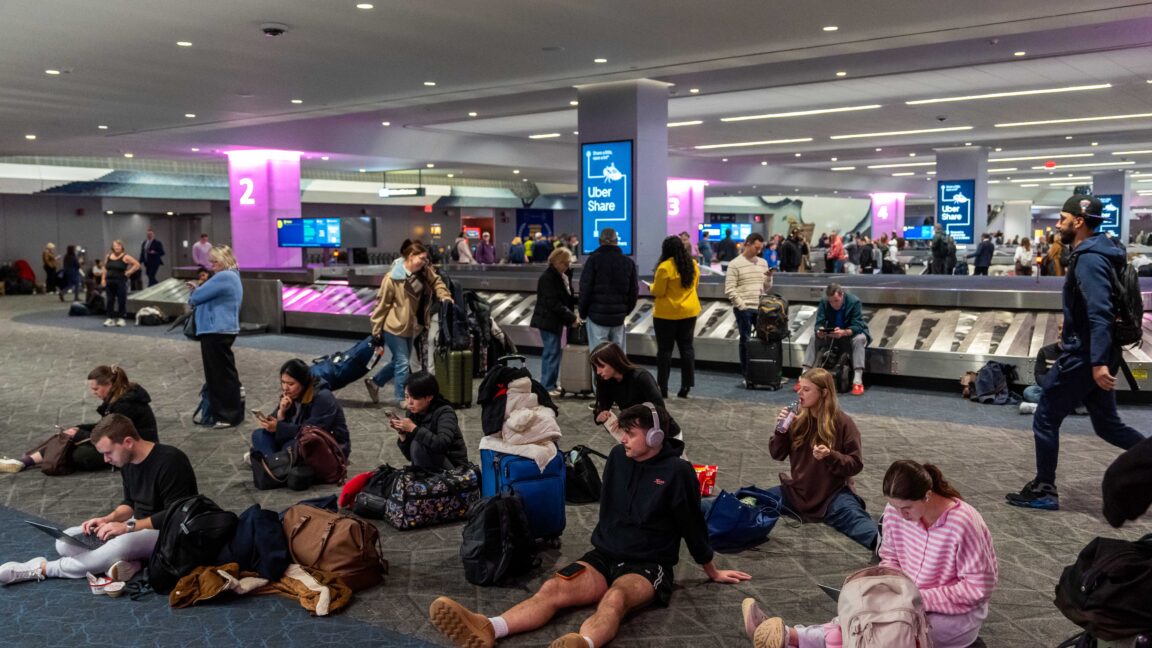
The US Federal Aviation Administration (FAA) issued a nationwide ground stop on Friday, November 13, after a router problem disrupted communications and radar data used by air traffic control. It was the third such order in the agency's history. The government is expected to announce the root cause soon, but questions remain about risk assessment and oversight of private contractors involved in modernizing the airspace system.
Impact on travelers
The stop forced about 3,500 aircraft to land immediately and affected more than 1 million passengers. More than 12,000 flights were canceled that day, and the total rose above 20,000 over the weekend.
FAA Administrator Bryan Bedford told reporters investigators are "very close" to identifying the cause. Transportation Secretary Sean Duffy plans to present the findings at a news conference as soon as Friday, November 20.
How the failure unfolded
According to the FAA, data flooded the FAA Telecommunications Infrastructure (FTI) network, which carries flight data, voice and video to air traffic control centers, with 1,000 connection attempts every 4 to 5 seconds. This caused instability in communications and radar feeds at 17 of 22 Air Route Traffic Control Centers.
An initial investigation pointed to a radar site in Amarillo, Texas, and a radio communications site in El Dorado, Arkansas. At El Dorado, the FAA's network provider L3Harris was replacing a 25-year-old Cisco router with a new Juniper Networks device. After the incident, the FAA paused Juniper installations and switched off those already installed, reverting to the older Cisco routers.
Oversight questions
The technicians' union PASS says none of its FAA technicians were involved in the upgrades. CNN reported the router was replaced by an L3Harris engineer without direct FAA oversight.
Philip Mann, a former FAA employee with 17 years at the agency, says basic risk analysis appeared to be missing and that work affecting a national network should be done at night, when traffic is lighter. He said Duffy has acknowledged that the facility's physical remoteness was confused with its position in the network.