US dollar slides after Democrats' midterm win
The US dollar fell to a one-month low after Democrats won control of both the Senate and the House in the midterm elections. Investors fear tougher regulation of artificial intelligence could slow economic growth.
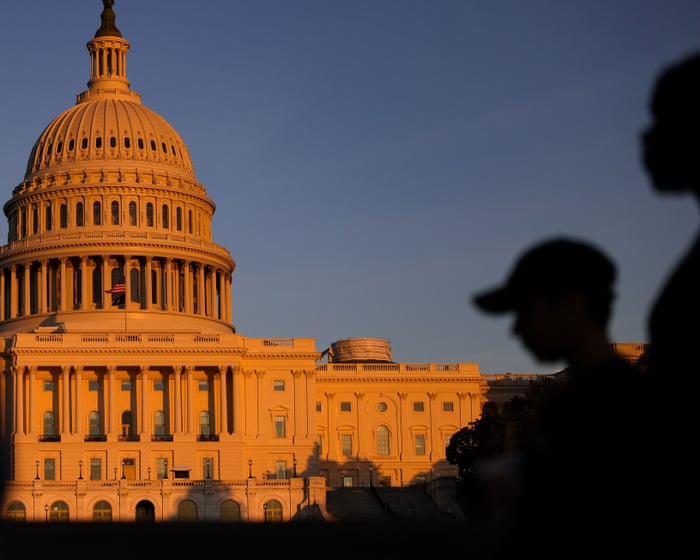
The US dollar dropped sharply on Wednesday after the Democratic Party won majorities in both the Senate and the House of Representatives in the US midterm elections. Market participants worry that tighter regulation of artificial intelligence (AI) companies could slow American economic growth, and some money has moved into safer assets.
Currency and bond markets
The dollar index, which measures the dollar against a basket of six currencies, slid to its lowest level in a month. The pound and the euro gained against the dollar, as did the yen and the Swiss franc, currencies traders tend to favour in uncertain times. Investors bought US Treasuries, seen as a safe haven ahead of the political gridlock expected for the rest of Donald Trump's final term. The 10-year Treasury yield fell by almost five basis points to 4.915%. Gold rose 2.2% and climbed past $4,000 an ounce.
Election results and equities
Democrats won Senate seats in traditional Republican strongholds such as Texas, Iowa, North Carolina and South Carolina. Axel Rudolph, chief technical analyst at the trading platform IG, said the scale of the losses raises questions about Trump's ability to push through his agenda over the next two years.
AI-related shares tumbled during Asian trading. US stock futures initially pointed to a sharply lower open, particularly for the tech-heavy Nasdaq, but later indicators suggested Wall Street could open higher, helped by Trump's conciliatory tone and gains in European markets. In premarket trading, SpaceX was down 5% and Tesla more than 4%. Elon Musk, the world's richest person, put $446m into the midterms, funding Republican-aligned political action committees and groups.
Analysts note that Trump's habit of governing through executive orders raises doubts about how much a change of control in Congress will alter policy. Tai Hui, a market strategist at JP Morgan Asset Management, said Trump can still influence markets through trade and tariffs, foreign policy and existing regulations.