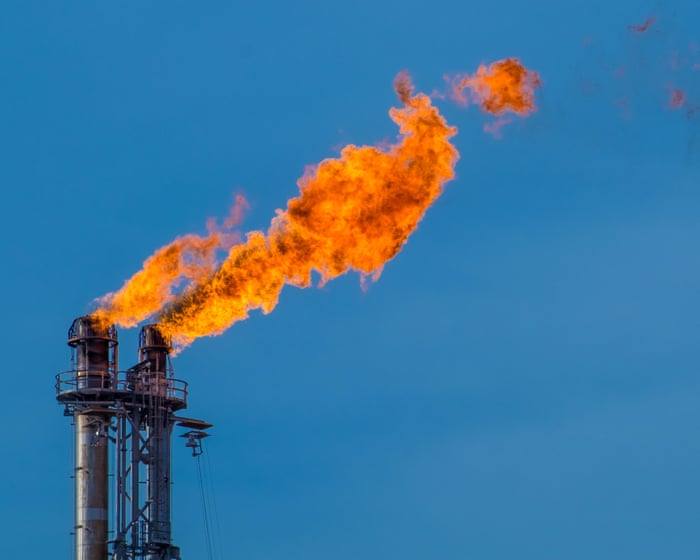
US energy firms expand Venezuela operations after Washington's oil deal with Caracas
Days after Venezuela agreed to hand Washington control of a large share of its oil reserves, US Energy Secretary Chris Wright oversaw the signing of multi-billion-dollar deals in Caracas with Chevron, GE Vernova and ENI. The agreement has sparked disputes over Venezuela's sovereignty and legal legitimacy.
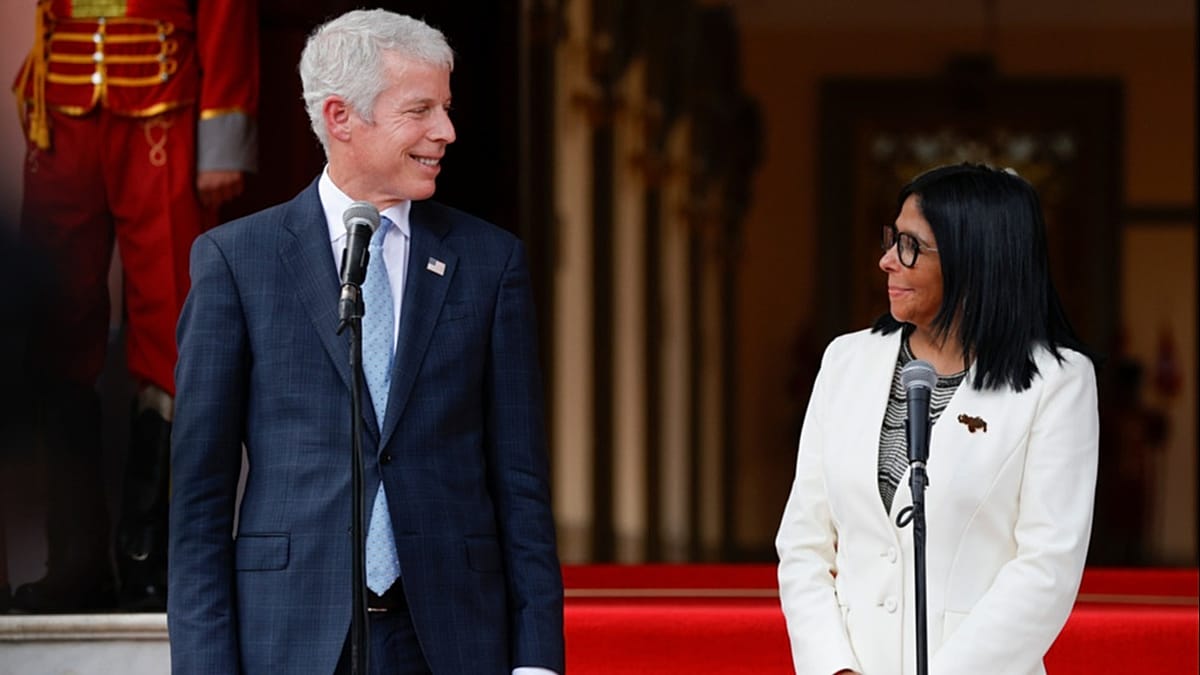
US Energy Secretary Chris Wright travelled to Caracas on Wednesday to oversee the signing of investment deals worth tens of billions of dollars between Venezuela and American energy firms. The agreements were signed with oil major Chevron, GE Vernova — a General Electric offshoot — and Italy's ENI.
The deals come days after Venezuela agreed to grant Washington control of roughly one-fifth of its oil reserves, some 65 billion barrels in total. Wright described the agreements as critical to setting in motion peace, opportunity and prosperity in the country. President Donald Trump has called it the biggest oil deal in world history.
The announcement comes as US Republicans brace for possible losses in November's midterm elections amid rising fuel prices and a broader affordability crisis. Critics in both the US and Venezuela have accused Trump of pressuring the country following the ouster of former president Nicolas Maduro in a raid.
Wright rejected claims that the US was stealing Venezuelan oil, saying it was instead developing an idle asset that previously brought no benefit to Venezuelans. Interim President Delcy Rodriguez said involving the US was necessary to attract investment in the oil sector, arguing it would create jobs and improve public services. She estimated Venezuela could earn $209 billion in profit from the deals over 25 years.
Chevron expands operations
Chevron confirmed it has been assigned additional acreage in the Orinoco Belt, where it already operates. The company plans to invest more than $7 billion over the next five years, aiming to more than double production to about 600,000 barrels a day.
Venezuela holds the world's largest proven crude oil reserves, exceeding 303 billion barrels, according to OPEC data. However, energy experts remain sceptical, noting it will take years to revive an industry weakened by prolonged neglect. Critics also question whether Rodriguez had the authority to grant 100-year extraction rights without approval from Venezuela's National Assembly, as required by the constitution, warning that a future democratic government could challenge the deal's legitimacy.