US Imposes 12.5% Tariffs on Russia and Dozens of Other Countries Over Forced Labor
The Trump administration has imposed tariffs of 12.5% on imports from Russia and 59 other countries, accusing them of failing to eradicate forced labor. The new measures replace the previous global tariffs that expired after 150 days.
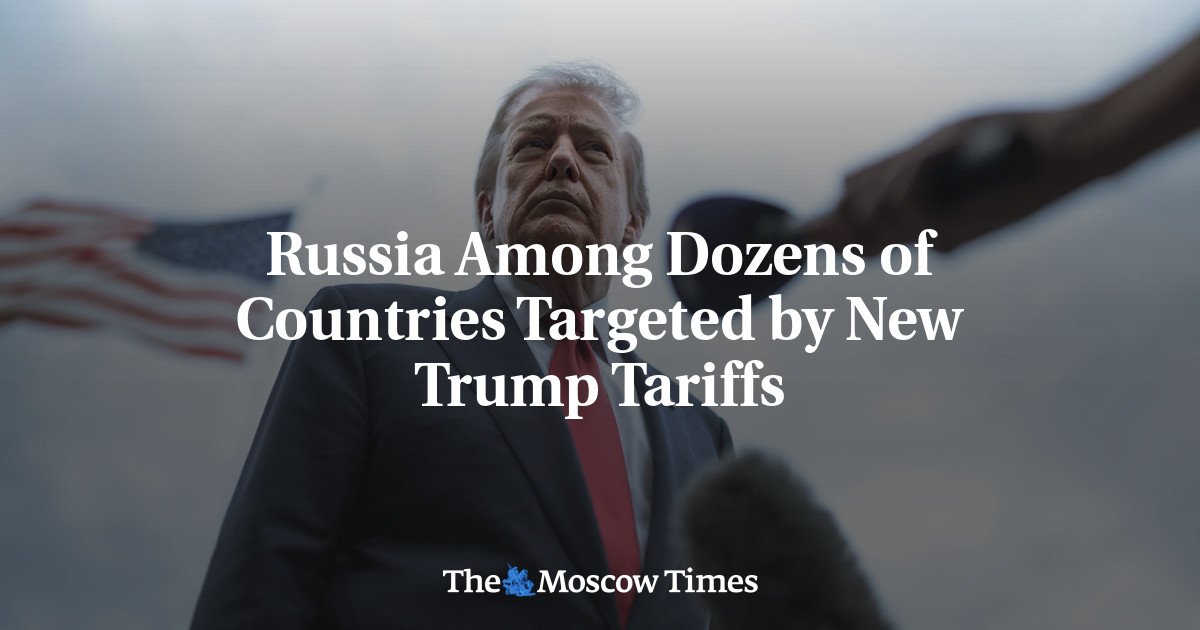
The Trump administration on Friday imposed tariffs of 12.5% on imports from Russia, making it one of 60 economies accused by the United States of failing to eradicate forced labor. Russia is among more than two dozen countries hit with the highest 12.5% rate for alleged failures to enact or effectively enforce bans on goods produced with forced labor.
Other U.S. trading partners, including Britain and the European Union, were hit with tariffs ranging from 10% to 12.5%. The Office of the U.S. Trade Representative stated: “President Trump is tackling modern-day slavery at its source by requiring our trading partners to enact and enforce import bans to ensure products made by workers under such horrifying conditions are no longer traded in global commerce.”
The new measures took effect immediately at midnight following the expiration of President Donald Trump’s temporary 10% global tariff, which lasted 150 days. Goods currently in transit are exempt until midnight Eastern Daylight Time on July 28.
U.S.-Russian trade fell sharply after the 2022 invasion of Ukraine, totaling $4.4 billion last year. Top U.S. imports from Russia include fertilizers, nuclear materials, and precious metals, while American exports to Russia consist primarily of vaccines and medical products.
The tariffs also include exceptions for essential raw materials, items not produced in the U.S., and goods preventing economic disruption. A senior administration official disputed claims that the forced labor measures are a direct replacement for the expired global duties, despite the overlapping timing, comparable rates, and broad coverage. The official argued that the U.S. maintains and enforces stricter bans on forced-labor goods than its trading partners, putting American businesses at an unfair disadvantage.
Numerous key commodities and goods will be exempt from the new levies, including oil and gas, fertilizers, certain foodstuffs, aircraft, aircraft components, and critical minerals. Items already subject to U.S. national security tariffs — such as automobiles, steel, aluminum, and copper — are also excluded.