US imposes tariffs of up to 100% on drones to curb reliance on China
New US tariffs of up to 100% on drones and drone components took effect on Thursday, aimed at reducing dependence on Chinese manufacturers. The measure stems from an order signed by President Donald Trump in August, which cites drone imports as a national security threat.
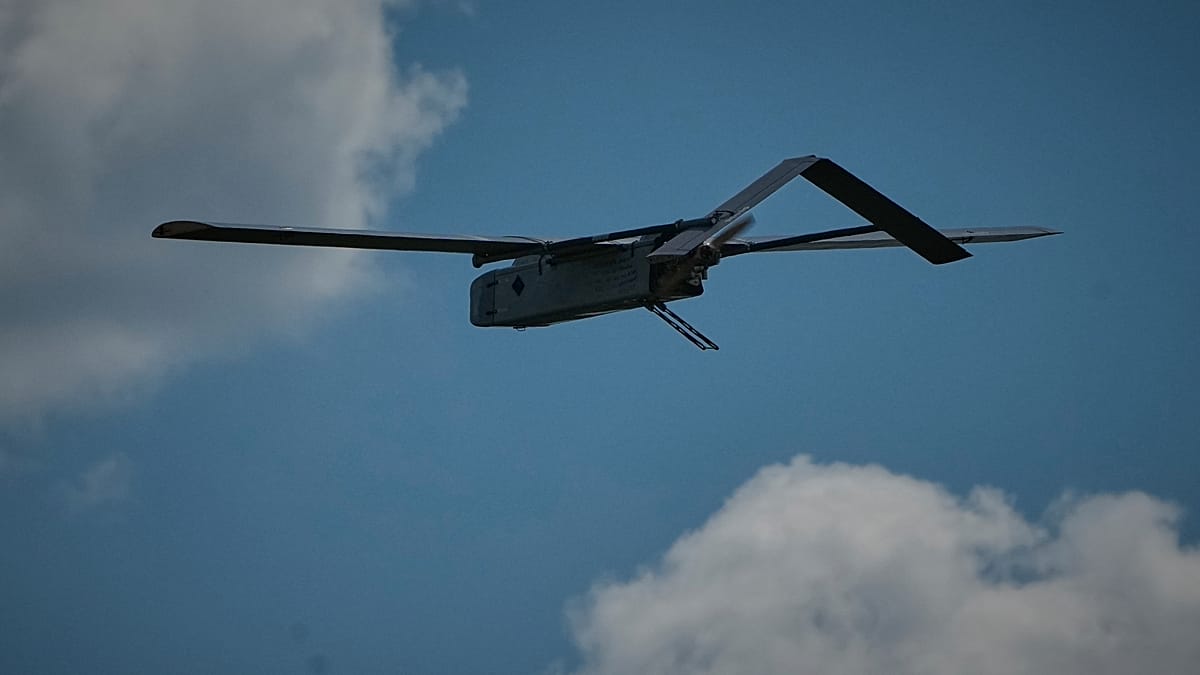
New US tariffs reaching as high as 100% on certain drones and their components came into force on Thursday, part of Washington's effort to cut import reliance in a sector dominated by China.
President Donald Trump signed the order establishing the tariffs in August. At the time, the White House pointed to "the national security threat posed by imports of drones and their components," while also stating a goal of strengthening domestic supply chains.
US officials argue drones have become central to modern warfare and surveillance, a fact underscored by the war in Ukraine. According to Washington, dependence on Chinese-made drones and components — supplied mainly by market leader DJI — leaves the country's military and critical infrastructure vulnerable to disruption, espionage and disadvantage on the battlefield.
Tiered tariff rates
Drones with a takeoff weight above 25 kilograms, along with those equipped with thermal imaging or docking stations, will face a 100% tariff. Smaller drones will be subject to a 25% duty. Certain drone components deemed "not particularly sensitive" will also be taxed, though those tariffs won't take effect until 9 February next year.
China's response
China voiced opposition to the tariffs soon after they were announced, urging Washington to withdraw them. A spokesperson for China's commerce ministry said the tariffs would "disrupt the global drone supply chain and further undermine a fair and competitive market environment," adding that Beijing firmly opposes the measure.
DJI, the Chinese company founded in 2006, has captured more than two-thirds of the global drone market in recent years. Since 2022, however, DJI has been placed on a US list of Chinese firms linked to the country's military, subjecting it to restrictions on access to US technology — a designation the company has contested.


