US launches probe into Germany's drug pricing, risks tariffs
The US Trade Representative has initiated an investigation into Germany's drug price regulation, alleging it forces US patients to pay more. The probe could lead to new tariffs, threatening German pharmaceutical exports.
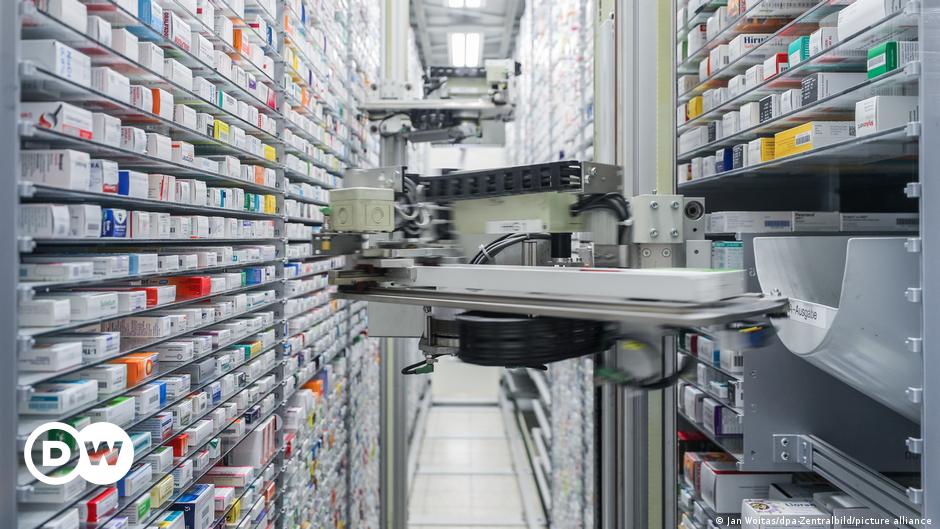
The Trump administration has launched an investigation into Germany's pharmaceutical industry, claiming that the country's drug price regulation constitutes unfair trade practice. The probe, based on Section 301 of the Trade Act of 1974, could result in new US tariffs.
US Trade Representative Jamieson Greer stated that the investigation aims to determine whether Germany's alleged underpayment for innovative drugs is unreasonable or discriminatory. He expressed particular concern over German Health Minister Nina Warken's planned savings package, which would further reduce spending on innovative pharmaceuticals.
A case in point: Boehringer Ingelheim's Jardiance (empagliflozin) costs roughly €80 per month for privately insured patients in Germany, but uninsured US patients pay about €300. However, US patients covered by Medicare or Medicaid pay between $0 and $50.
Experts point to structural reasons for price differences. In Germany, prices are negotiated centrally by public health insurers, giving them more leverage. In the US, Pharmacy Benefit Managers (PBMs) act as intermediaries, but their opaque practices often lead to higher prices.
If the US imposes tariffs of 10-35%, German pharmaceutical exports to the US could shrink by 5-53%, resulting in losses of €1.3 to €13.4 billion. German Chancellor Friedrich Merz has remained calm, saying Germany is willing to provide information. Health Minister Warken noted that raising prices would be difficult given the strained finances of health insurance funds.