Bipartisan bill in US Congress seeks to block Trump's diesel deal with Russia
Lawmakers from both major US parties have introduced a bill in Congress aimed at stopping President Donald Trump's agreement with Vladimir Putin on Russian diesel supplies. It would revoke the relevant license and give the administration authority to impose sanctions on Russia's energy sector.
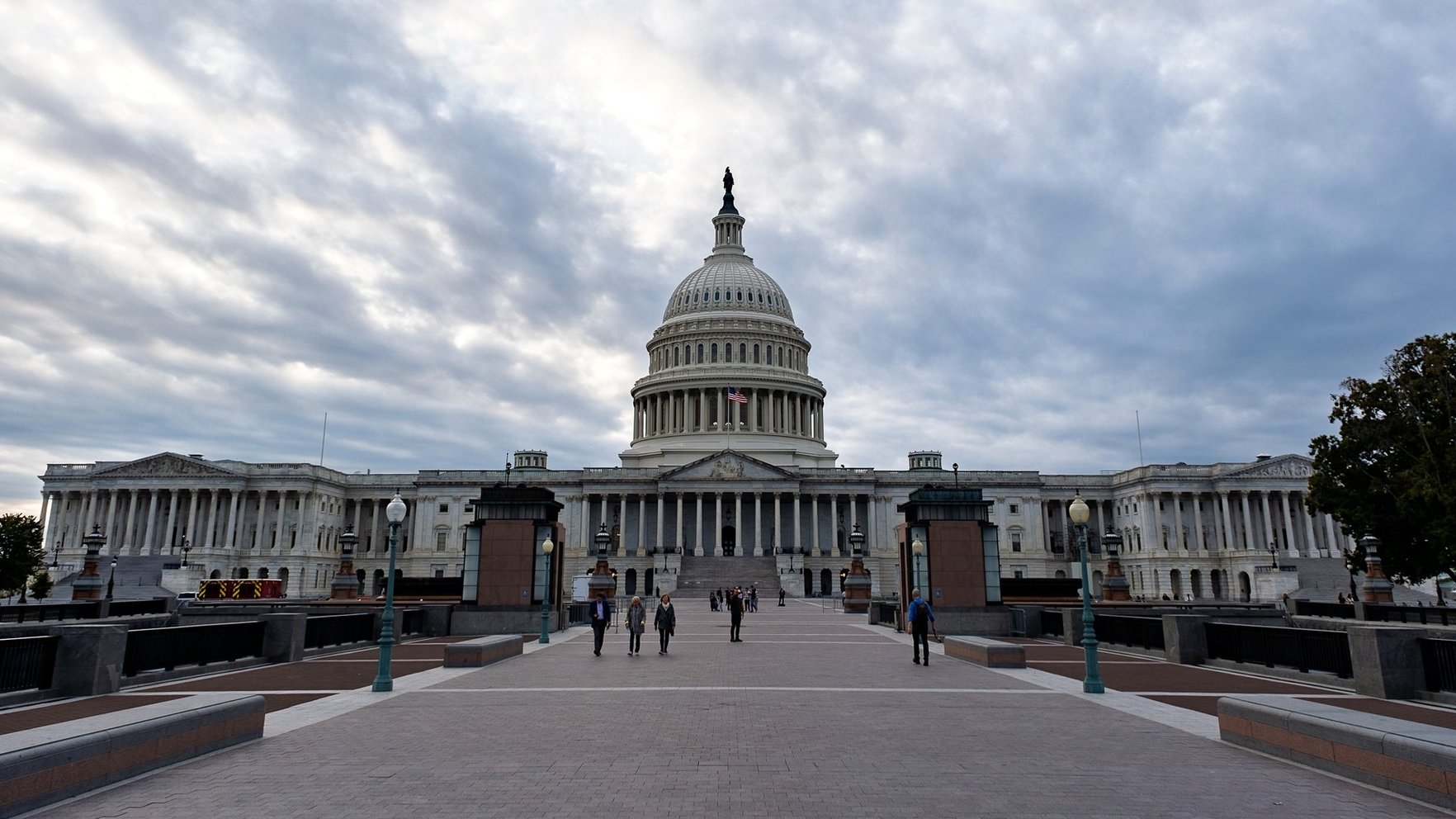
Lawmakers from the Republican and Democratic parties have jointly introduced a bill in the US Congress titled "Prohibition on Corrupt Oil Deals with Russia". According to the website of the House Foreign Affairs Committee, its aim is to block President Donald Trump's agreement with Russian President Vladimir Putin on buying and importing Russian diesel. The matter is significant because the deal affects both US sanctions policy toward Russia and fuel prices on the world market.
What the bill provides
The bill bars the US International Development Finance Corporation (DFC) from investing in Russian energy resources. It also revokes the license issued by the Office of Foreign Assets Control (OFAC) at the US Treasury Department for these purchases and prohibits issuing such licenses in the future. In addition, the Trump administration would gain authority to impose sanctions on Russia's energy sector.
Congressman Gregory Meeks said the deal will not reduce costs that Americans are already bearing because of the war in Iran, which he called unsuccessful and begun on Trump's decision. In his words, the deal would put millions of dollars at Putin's disposal, allowing him to continue violence against Ukrainian civilians with impunity.
How the agreement came about
On 9 October, Trump announced on his social network Truth Social an "extremely successful" phone call with Putin, in which they agreed on deliveries of Russian diesel to the US and the global market. Trump said Russian companies would immediately ship more than 300,000 tonnes, another 500,000 tonnes in November, a million tonnes right after that, and later, depending on the condition of refineries, a further three million tonnes.
The US Treasury, for its part, issued a general license suspending the application of US sanctions to Russian diesel until April 2027. On 12 October, the Russian TV programme Vesti reported that the first batch of Russian diesel was on its way from Saint Petersburg to the US East Coast.
In Trump's view, Russian diesel entering the world market will help bring down prices, which have risen sharply because of the US-Israeli war against Iran.