US oil reserves fall to lowest level in 45 years
War with Iran and restricted shipping through the Strait of Hormuz have pushed US strategic oil reserves to their lowest level since 1983, with potential price effects reaching as far as Latvia.
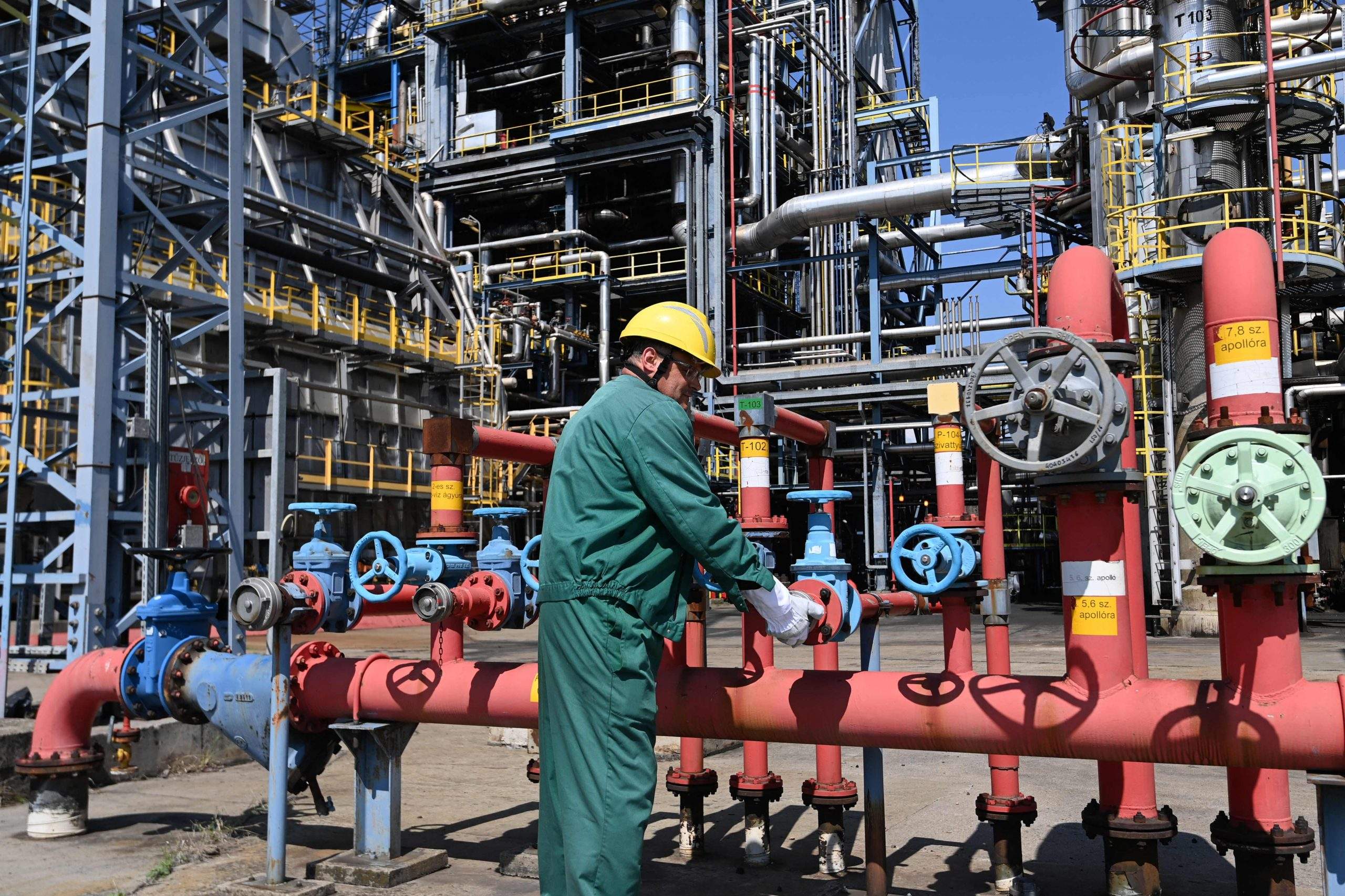
The United States' strategic petroleum reserves have dropped to a level not seen since 1983, now holding roughly enough crude to cover 43 days of national consumption. The figure comes from Bank of America Global Research and US federal data, as reported by The Hill.
The decline stems from the war with Iran and prolonged restrictions on shipping through the Strait of Hormuz, a waterway that normally carries up to a fifth of the world's oil. In recent months the administration of President Donald Trump has released oil from the reserves to curb rising energy prices. Of the 172 million barrels approved for release over 120 days, about 108.6 million barrels have already reached the market, leaving roughly 304.8 million barrels in reserve.
Despite the drawdown, US refineries were running at 96.5% capacity by late July, pointing to strong ongoing demand for crude. A June agreement with Iran aimed at restoring safe passage through the Strait of Hormuz proved short-lived, and strikes resumed in early July, triggering sharp price swings — Brent crude jumped more than 5% in a single day to $78.02 a barrel, while WTI rose to $73.52. Some Asian countries have introduced emergency conservation measures, while China, which holds far larger reserves, has cut its oil imports.
Global economic impact
The shrinking US reserves reduce the country's ability to respond quickly to a new supply shock. Should the situation at the Strait of Hormuz persist or the wider Middle East conflict escalate further, another wave of price increases could follow, raising costs for fuel, aviation, freight and eventually a broad range of consumer goods.
What it could mean for Latvia
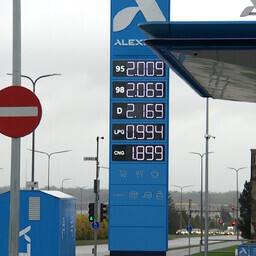
Latvia does not depend directly on US reserves, but its domestic fuel prices track global and European oil markets closely. According to the Economics Ministry, Brent crude rose 3.6% and European gas oil 17.4% in the first three weeks of July, followed by higher diesel prices at Latvian filling stations. Rising fuel costs were already a major driver of inflation earlier this spring. Because of the geopolitical tension, the government has cut excise tax on diesel this year, and the Economics Ministry has proposed extending that relief until the end of September.