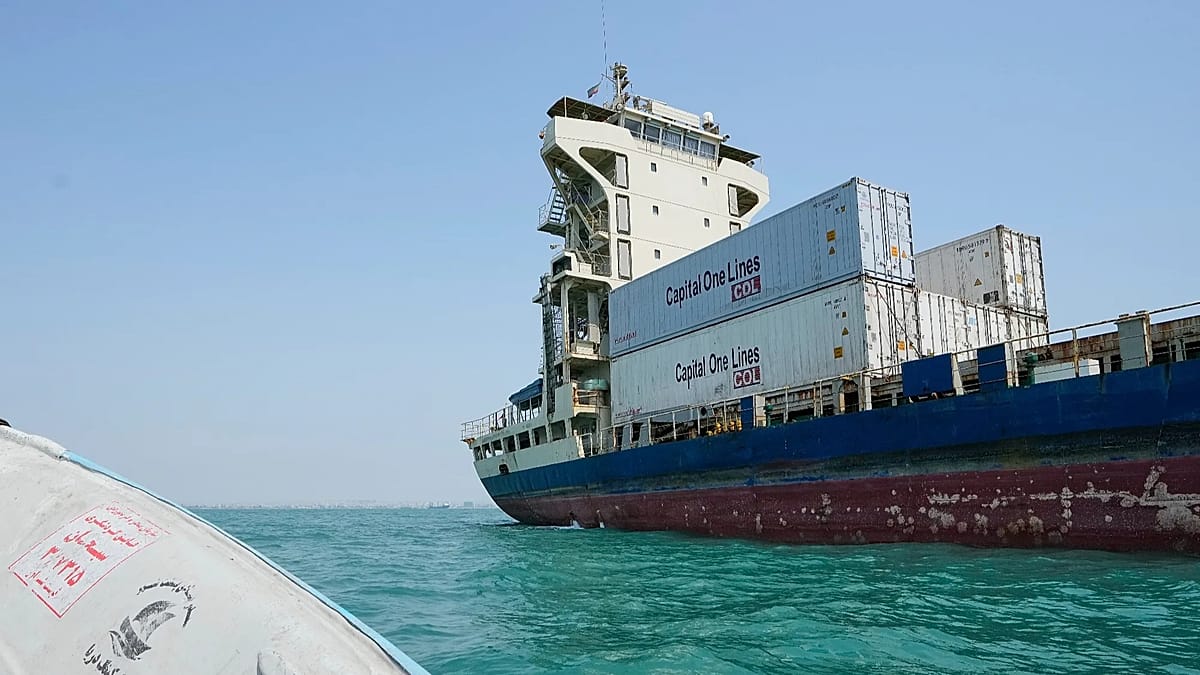
US intercepts Iranian missile attack and launches joint strikes with Saudi Arabia against Iran-backed militias in Iraq
The US military said it intercepted an Iranian missile barrage and carried out joint strikes with Saudi forces in Iraq against Iran-backed militias, ending a brief pause in hostilities.
Joint US-Saudi Operation
The US Central Command (CENTCOM) announced on Tuesday that all Iranian ballistic missiles launched against American forces in the Middle East were intercepted. CENTCOM stated it remains vigilant and at a high state of readiness. Simultaneously, US and Saudi fighter aircraft struck multiple terrorist logistics and weapons sites across eastern Iraq in response to over 30 IRGC-directed aerial drone attacks in the last 72 hours. The US warned that further attacks on American troops or Saudi Arabia’s energy infrastructure risked additional action.
Context and Reactions
Iran carried out its ballistic missile attack before the US-Saudi strikes in Iraq, according to an American official who stressed the two events were not connected. The Saudi Defence Ministry acknowledged the strikes, warning it does not seek escalation but will respond to any aggression. Earlier, Riyadh said it shot down drones fired by Iran-backed militias in Iraq for a second day, targeting petroleum facilities in the eastern region. A similar attack was alleged on Monday.
Iraqi Prime Minister Ali al-Zaidi ordered security agencies to investigate, reaffirming commitment to prevent Iraqi territory from being used as a route or launching point for attacks. Iraqi militias denied any role, with the Islamic Resistance in Iraq calling the Saudi claims "fabrications" and implying that Monday's attacks were carried out by the Houthis. The Houthis claimed to have fired missiles at the Saudi oil tanker NCC Ghazal, forcing it to turn back. Last week, they announced a blockade of Saudi shipping, threatening the Bab el-Mandeb strait.
Previous Situation
Before this escalation, the US and Iran had experienced a period of calm after weeks of fighting over the strategic Strait of Hormuz, through which 20% of the world's traded oil normally flows. Four US troops were killed during the fighting, and the Pentagon asked Congress for additional funds to cover the conflict's rising costs.