US Proposes Up to 10% New Tariff on Chinese Civil Drones, Including DJI
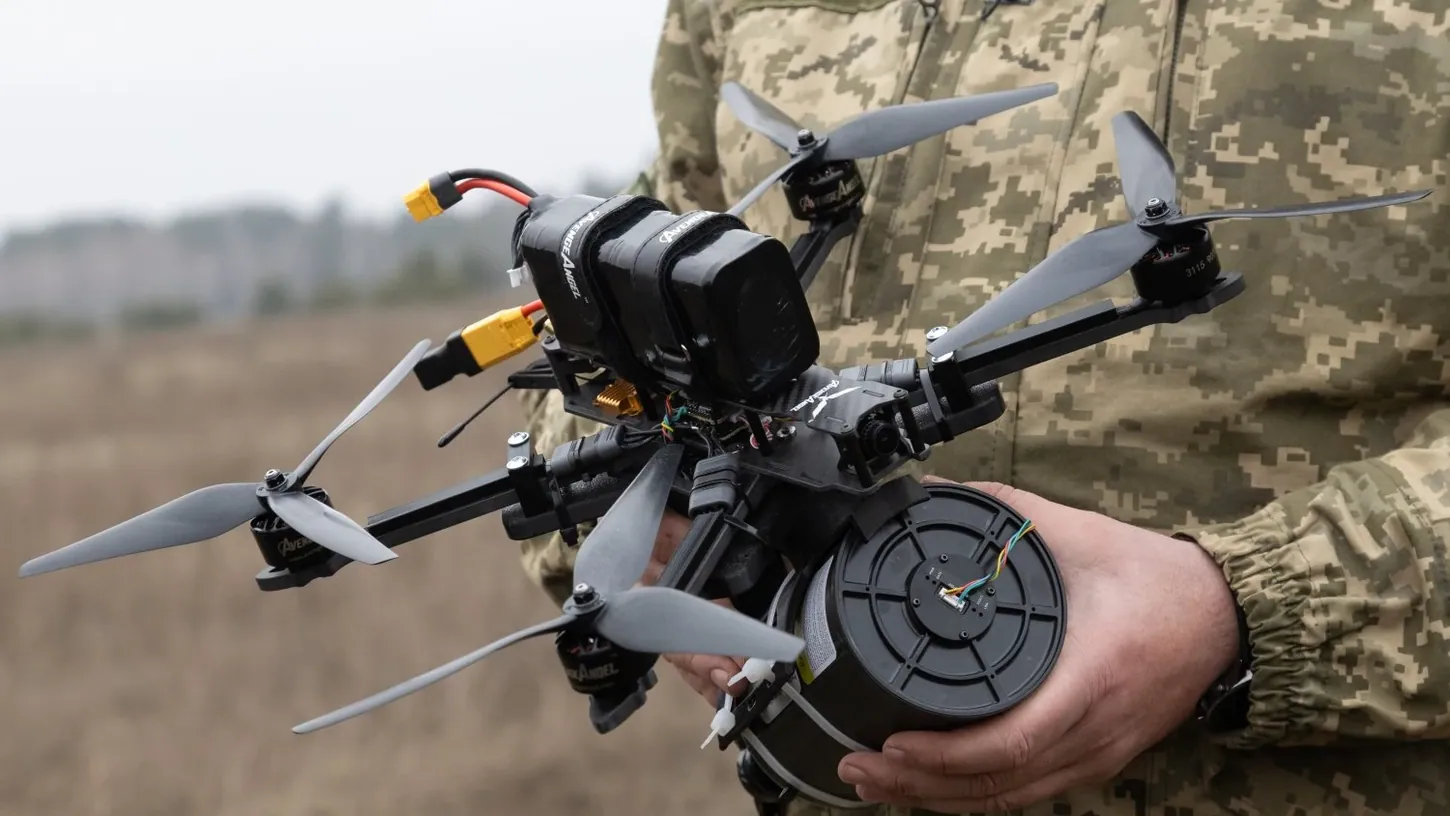
The Office of the U.S. Trade Representative has proposed new tariffs on Chinese goods, placing civil drones and their parts in a group capped at 10%. Most motors and batteries fall into the group of up to 20%.
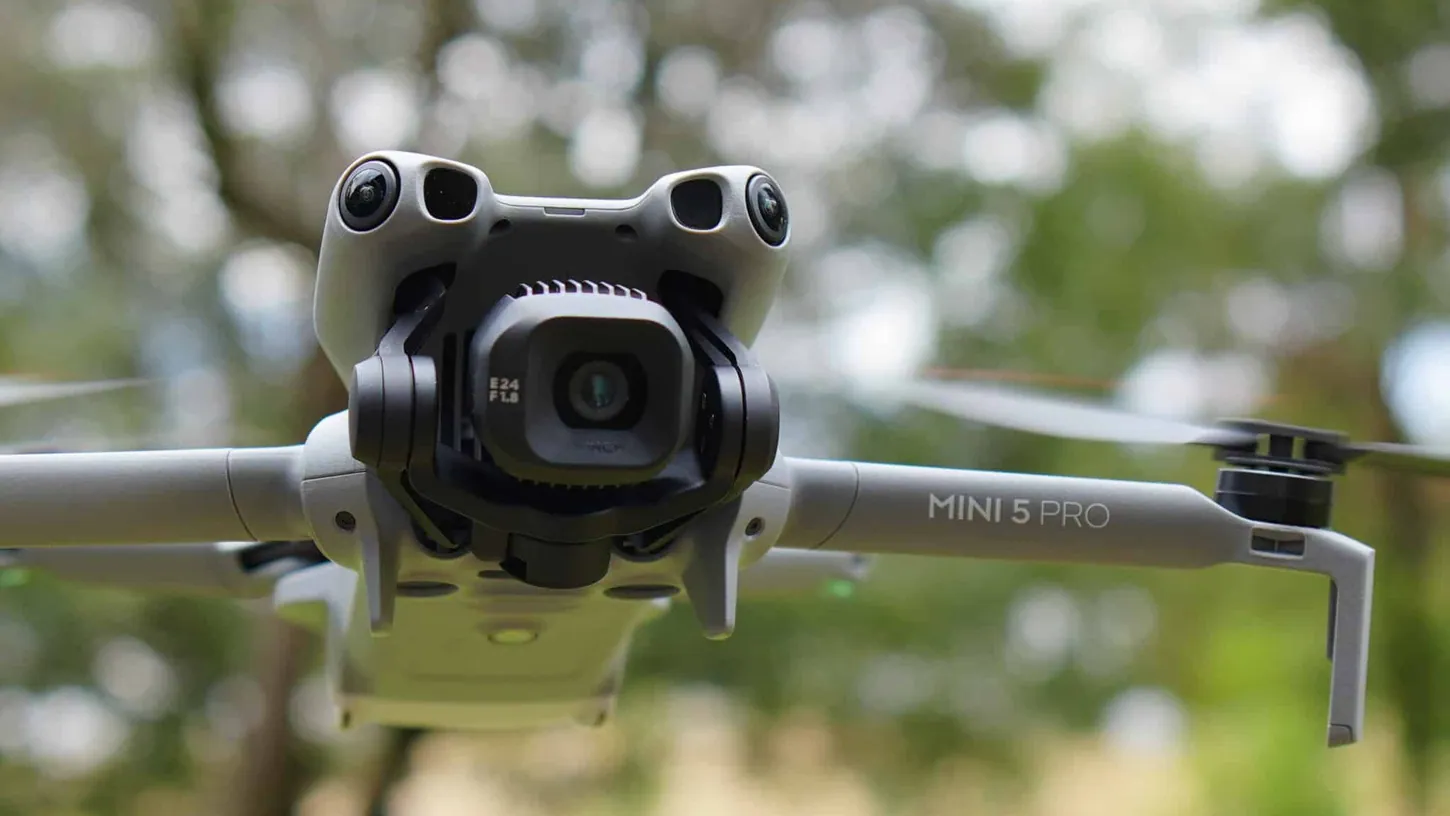
The Office of the U.S. Trade Representative (USTR) on Wednesday proposed new tariffs on nearly all goods from China, and they reach civil unmanned aircraft, including drones made by Chinese manufacturer DJI. The proposal is not final, and no effective date has been set.
What is proposed
For most Chinese goods the tariff could reach 20%, counting the 12.5% forced-labor tariff many already pay. Chinese civil drones and drone parts are placed in a separate group capped at 10%. That treatment applies only to civil aircraft meeting general note 6 of the tariff schedule. If USTR concludes that talks with Beijing are going nowhere, it proposes up to 40% on all Chinese goods.
Civil drones from the European Union, Japan, South Korea, Taiwan and Vietnam are exempt from the new tariff. They still pay the Section 232 tariff that took effect September 3.
Combined burden
DJI drones have paid a 25% Section 301 tariff since 2019, as well as the Section 232 tariff. If a Chinese consumer drone qualifies as civil aircraft, its combined rate could rise from 50% to 60% on paper. A thermal drone in the top Section 232 tier could reach 135%. U.S. Customs and Border Protection decides what qualifies, and the notices do not name consumer camera drones.
Parts
Lithium-ion batteries get the reduced rate only as civil aircraft articles; otherwise their rate would rise to 20%. Small DC motors used in camera drones remain in the 20% group, because the reduced list covers only motors above 735 watts.
What comes next
Written comments and requests to testify are due January 5, 2027, and public hearings begin January 25 in Washington. A third Section 232 tier, 25% on propellers, landing gear and other drone parts, starts February 9, 2027.