US imposes 50% tariff on Canadian imports
President Donald Trump has imposed a 50% tariff on a wide range of Canadian goods, effective August 19, escalating trade tensions. The White House cites retaliation for Canada's 'unequal treatment' of US cars, dairy, and alcohol.
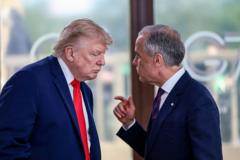
US President Donald Trump has imposed a 50% tariff on a broad array of Canadian imports, effective August 19. The White House says the tariffs are necessary to protect US businesses and respond to Canada's 'unequal treatment' of US cars, dairy, and alcohol. This move escalates trade tensions between the neighboring countries.
The tariffs cover everyday items like wine and hockey sticks as well as industrial products such as commercial cement. However, energy, potash, critical minerals, and fish are exempt. The duties apply regardless of whether goods are covered under the US-Mexico-Canada Agreement (USMCA). These new tariffs add to existing US barriers: 15–50% on Canadian steel, aluminum, and copper; 35% on softwood lumber; and 25% on non-US car parts. Canada has its own 25% counter-tariffs on selected US steel, aluminum, and vehicles.
Trump previously threatened tariffs over Canadian wildfire smoke, but the executive orders signed Monday do not mention wildfires. Instead, three proclamations list long-standing disputes over cars, dairy, and alcohol. On cars, Trump accuses Canada of discriminatory taxes on US vehicles not covered by USMCA. On dairy, Canada's supply management system imposes tariffs over 300% on imports exceeding quotas. Most Canadian provinces have boycotted US alcohol since last year, vowing to lift it if US tariffs on metals and automobiles are removed.
Canadian negotiators have sought a deal to reduce some US tariffs. In February, the US Supreme Court struck down Trump's earlier tariffs under the International Emergency Economic Powers Act. Now, tariffs are imposed under Section 338 of the 1930 Tariff Act, which addresses trade discrimination. Candace Laing, head of the Canadian Chamber of Commerce, called the decision 'regrettable' but urged meaningful progress in talks before the duties take effect in 30 days.


