US Vulcan rocket fails after launch, losing 40 Amazon Leo satellites
United Launch Alliance's Vulcan rocket failed to reach orbit on Sunday and fell back to Earth with 40 Amazon Leo internet satellites. It is the company's first total mission failure since its founding in 2006.
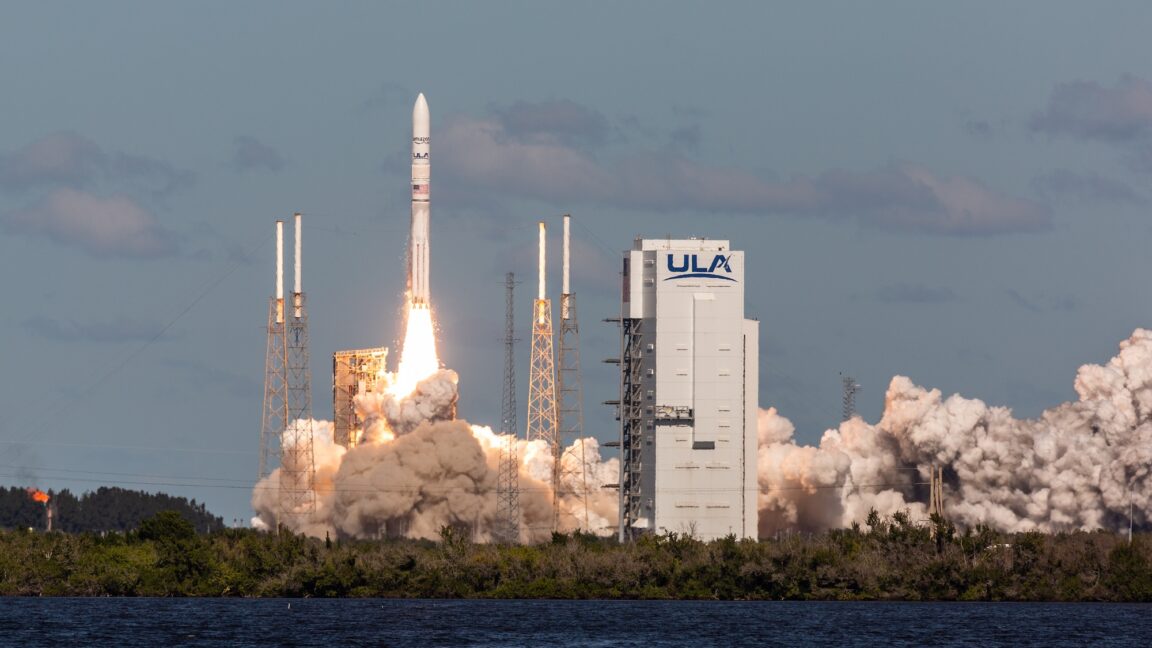
United Launch Alliance (ULA), a US launch company formed in 2006 through a merger of the rocket divisions of Boeing and Lockheed Martin, suffered the failure of its Vulcan heavy-lift rocket on Sunday. The rocket lifted off from Cape Canaveral Space Force Station in Florida at 12:40 pm local time, but minutes later it fell back to Earth along with 40 Amazon Leo broadband internet satellites. It is the first total mission failure in ULA's history, and it affects both commercial customers and US military space programs.
What happened in flight
ULA said the rocket suffered an anomaly 10 minutes into the flight and failed to deliver the Amazon mission to orbit. The company said it had no specific data yet to explain the cause. According to multiple sources cited by the source article, the problem arose in the rocket's booster stage rather than the Centaur V upper stage or the solid rocket boosters. The exact cause is unknown.
The solid boosters separated on schedule, leaving the rocket to fly on two BE-4 engines made by Blue Origin. They were meant to shut down shortly before the five-minute mark but kept firing for at least 30 more seconds. The rocket then began to spin, and the spin continued after the Centaur V upper stage separated.
Wider consequences
Vulcan is contracted to launch roughly half of the US military's national security space missions in the coming years. Sunday's flight was the first of 38 Vulcan launches booked by Amazon to build a satellite network that will compete with SpaceX's Starlink. The network currently has 396 satellites out of a planned 3,292. The rocket is expected to be grounded for an indefinite period.
If the BE-4 engines are to blame, it could also delay the return of Blue Origin's New Glenn rocket to flight early next year; that rocket exploded in a ground test in May because of a faulty valve. It could also affect NASA's Artemis Moon program.
ULA pledged to find the cause and return to flight as quickly as possible. Amazon said it trusts ULA.


