US regulator lets prisons jam contraband phones; wireless industry warns of interference nearby
The US Federal Communications Commission voted to allow state and local prisons to use jamming technology against contraband cellphones. Wireless industry group CTIA warns the jammers will also block lawful calls outside prison walls.
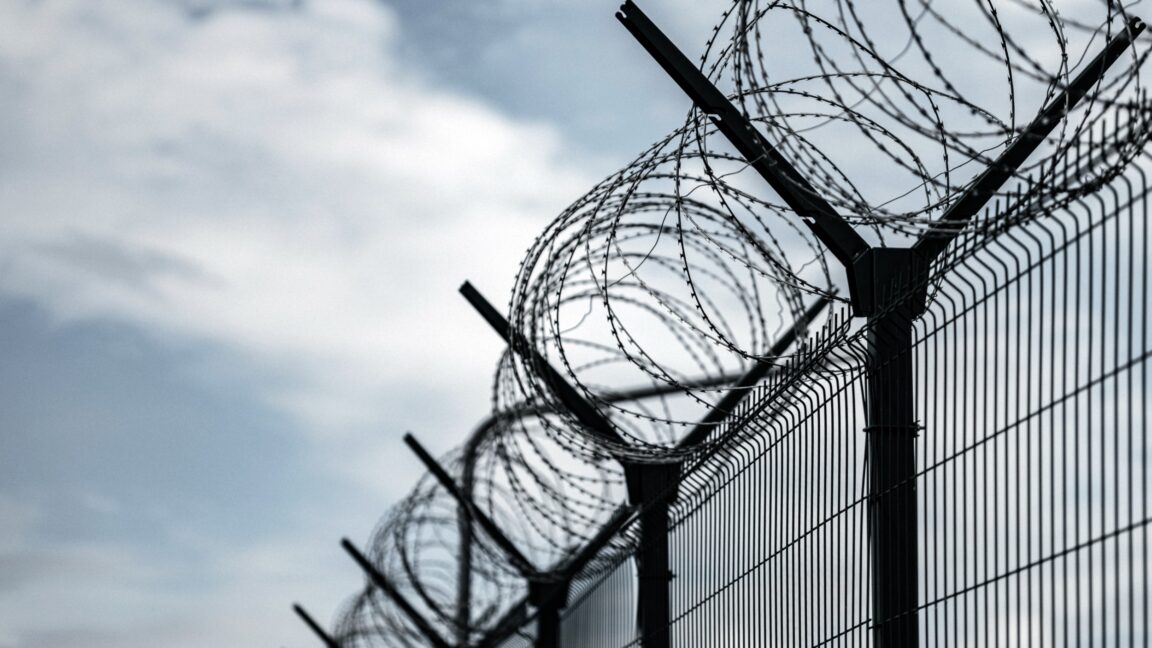
The US Federal Communications Commission (FCC), the agency that regulates radio communications in the country, voted to let state and local prisons use jamming technology to block contraband cellphones. The decision was made at the commission's meeting and is the first of its kind. Wireless industry lobby group CTIA warns that the jammers will also block lawful calls outside prison grounds.
What the order says
FCC Chairman Brendan Carr said the technology has advanced to the point where it can be focused with geographic precision, and that no facility will be required to use it. Those who want to deploy it must apply to the FCC, explain their plans, and show through testing that jamming stays inside the designated area. Nearby communities will be notified before operations begin. The commission is also seeking comment on next steps, including possible quiet zones around correctional facilities.
The FCC had previously read the Communications Act as prohibiting such jamming by non-federal entities. The new order creates an exception for state and local correctional facilities. The prohibitions do not apply to federal agencies.
Carr said contraband phones enter prisons by the thousands every year, and estimates suggest as many as 500,000 inmates nationwide have regular access to them. He said they have been used to plan scams, drug trafficking and violent attacks.
Warnings and dissent
In an October 1 filing, CTIA said a pilot test with the Virginia Tech Applied Research Corporation and the South Carolina Department of Corrections showed 911 calls being blocked and network infrastructure affected up to two and a half miles away. In outdoor inmate recreation areas, contraband calls still failed in only one-half to two-thirds of attempts.
Commissioner Anna Gomez, the only Democrat on the three-member commission, voted for the order after safeguards were added, but dissented in part over concerns that inmate calling prices for families could rise. The order could be challenged in court; CTIA and AT&T dispute the FCC's legal reasoning.