Senate panel moves Kids Online Safety Act forward
The Senate Commerce Committee has voted to advance the latest version of the Kids Online Safety Act, setting the stage for a full Senate vote. The bill aims to strengthen online protections for minors, but differences between the House and Senate remain.
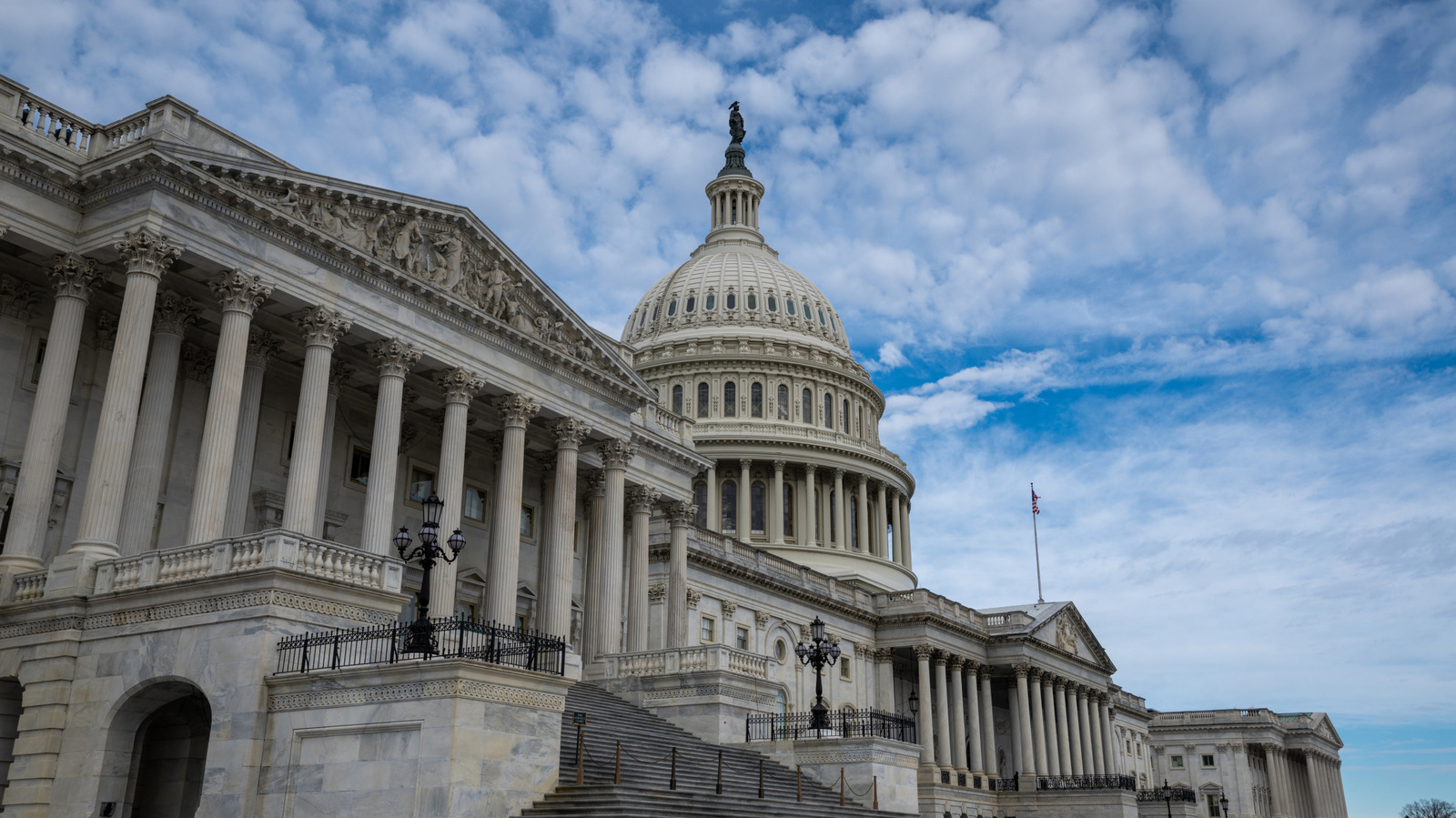
The Senate Commerce Committee has voted to advance the newest version of the Kids Online Safety Act (KOSA), according to Politico. The move clears the way for a vote on the Senate floor. The House of Representatives passed its own version of the bill in June as part of a broader package called the Kids Internet and Digital Safety (KIDS) Act, which combines KOSA with COPPA 2.0, a privacy law for children and teenagers.
The Senate’s latest draft would require social media companies to give minors the option to opt out of addictive features such as algorithmic recommendations. It also includes language establishing a "duty of care" for platforms to reduce harm from content that promotes sexual exploitation and eating disorders. The House version notably does not include that specific provision.
KOSA has drawn support from OpenAI, Apple, Microsoft, X, and Snap, some of which contributed to the Senate’s language. Opponents include the industry group NetChoice and digital rights organizations. Their concerns center on the potential for the bill to be used to censor speech and to endanger user privacy.
Fight for the Future said in a statement that a duty of care enforced by a Trump-led FTC would be a "censorship and surveillance nightmare," especially for LGBTQ+ youth who rely on online communities. The American Civil Liberties Union also expressed worries, with senior policy counsel Jenna Leventoff saying that bills requiring age verification would lead to invasive identity checks and put sensitive data at risk. She argued that people should not have to share IDs, biometrics, or personal information just to access the internet.
Previous efforts to pass KOSA have collapsed over differences between the two chambers, including in 2024, when the Senate last approved the bill.