US Secret Service secretly swapped Trump's plane in July over Iran threat concerns
The Washington Post reported that Trump's administration secretly switched the president's aircraft in July while leaving a NATO summit, after the Secret Service learned of possible threats from Iran. Trump denied on August 11 that he was involved in planning the operation.
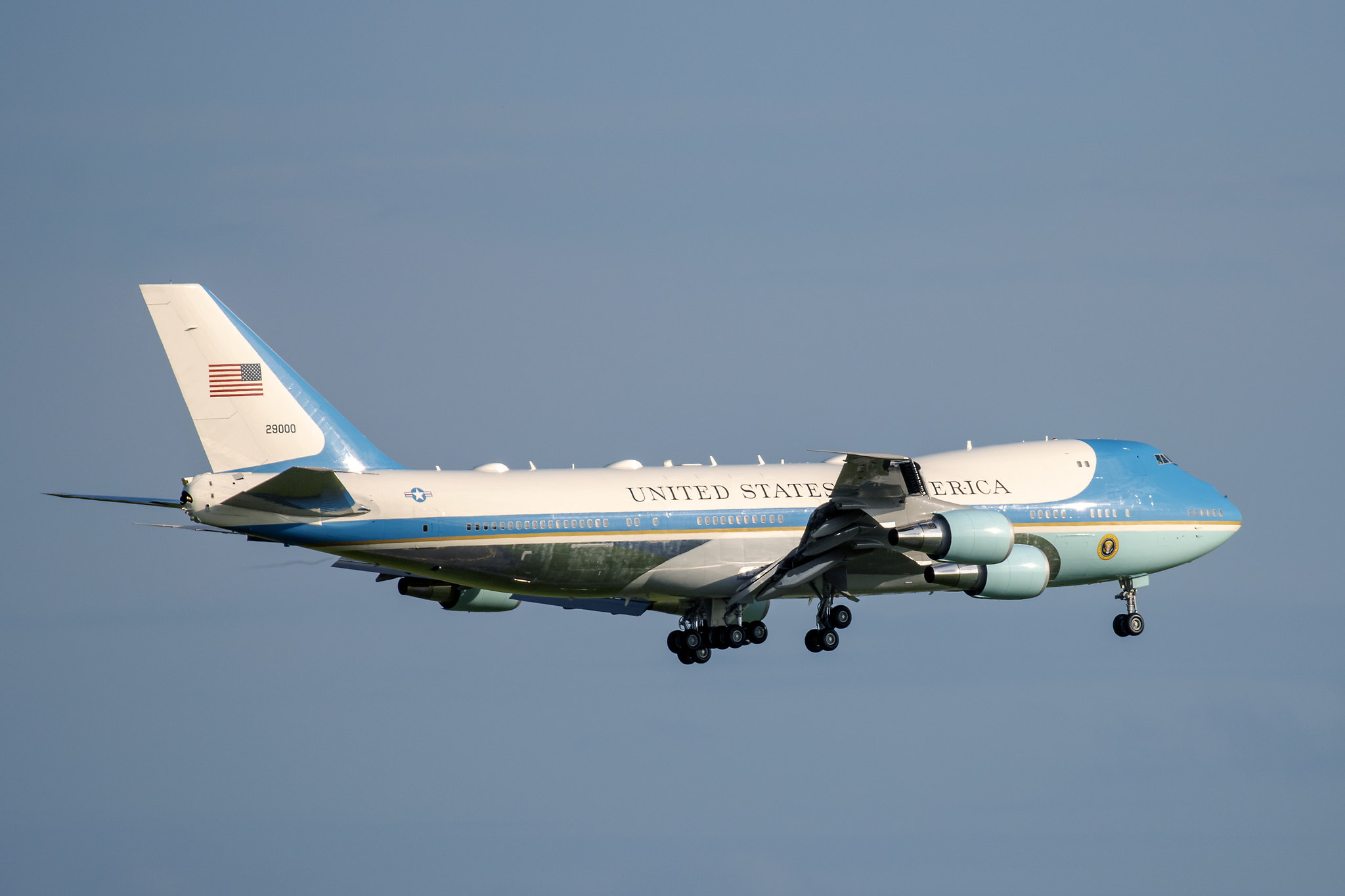
The Washington Post revealed on August 10 that US President Donald Trump had his aircraft switched before departing Turkey following the NATO summit in early July, Politico reports. The next day, Trump denied being involved in planning the secretive swap, saying the decision rested entirely with the Secret Service, which he simply follows.
How the switch unfolded
According to reports, Trump first boarded the usual Air Force One in front of media, then quietly left it and was driven by airport ground transport to a smaller military aircraft, which first flew him to London. Most passengers who remained on the original plane were unaware of the switch — including journalists and many administration officials, who did not realize they were serving as decoys. After arriving in Britain, Trump switched back to Air Force One and officially disembarked from it.
Reason — threats from Iran
Trump had earlier insisted he would fly on Air Force One rather than the Boeing 747-8 gifted by Qatar, which he had used to arrive in Ankara. However, reports indicate the Secret Service had received information about possible threats from Iran and decided to swap the aircraft as a result. The departure from Ankara came just one day after the US resumed strikes on Iran following the collapse of a ceasefire. The Washington Post was unable to determine exactly how the aircraft were switched upon arrival.
Reaction and security concerns
Trump declined to elaborate on the threats that prompted the decision, telling reporters he had not asked unnecessary questions. He added that the plane he was on had faced greater risk, since it would have been the target of any potential attack. The White House Correspondents' Association said on August 11 that it had raised concerns with the administration, noting that the deception affected journalists' ability to track the president's movements and created additional security risks for them. Separately, questions had earlier arisen over the security of the Qatari-gifted aircraft, prompting the Trump administration to summon New York Times journalists over related coverage, though it later dropped its complaints.